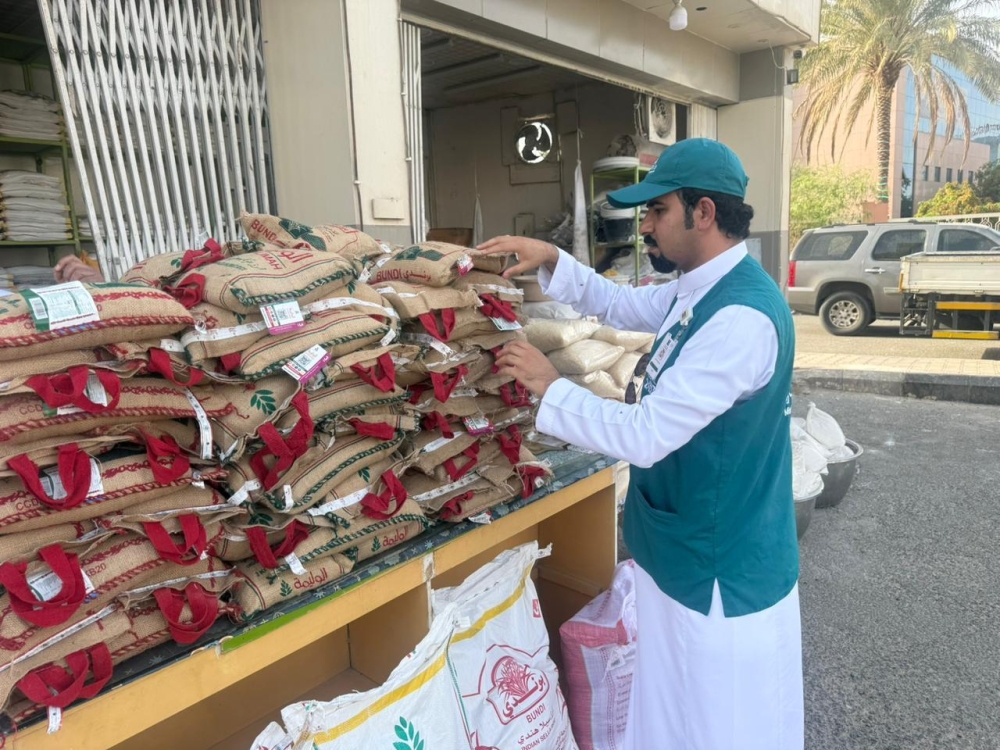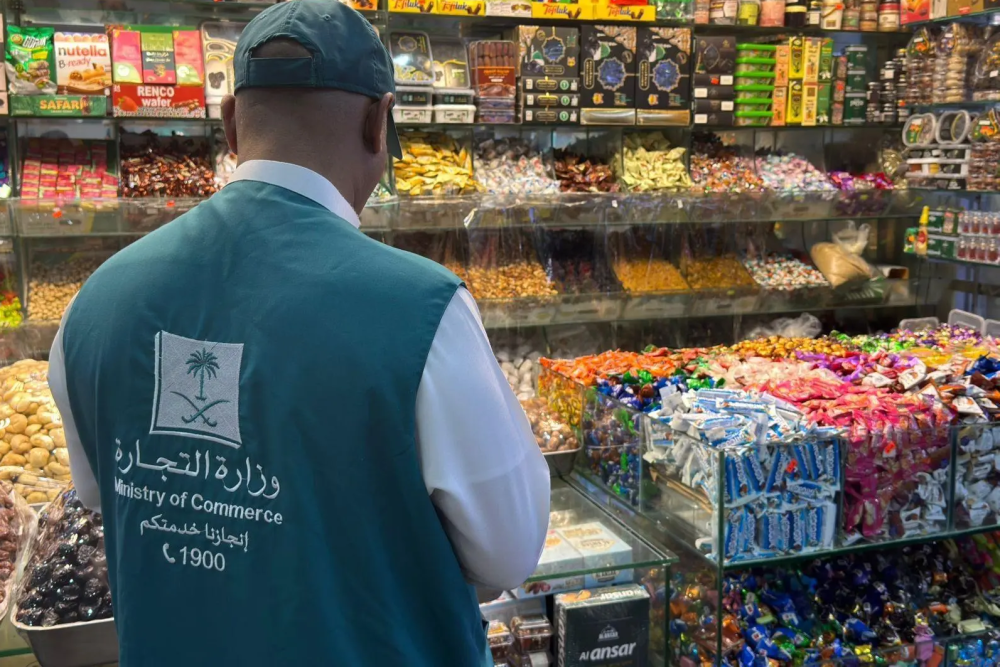
With the approach of Eid al-Fitr, and as part of its ongoing efforts to protect consumers and ensure market stability, the Saudi Ministry of Commerce's inspection teams conducted intensive campaigns encompassing more than 12,900 inspection visits. These tours primarily targeted outlets selling Eid supplies , as well as locations selling Zakat al-Fitr (charity given at the end of Ramadan) and confectionery shops across the Kingdom's various regions and governorates, as part of a comprehensive proactive plan to ensure that commercial establishments comply with regulations and laws.
Ongoing efforts to protect consumers through outlets selling holiday supplies
The intensive inspection tours covered central markets, shopping malls, and all outlets selling holiday supplies , which experience increased demand and high foot traffic during this time of year. The inspection teams focused their fieldwork on verifying that establishments were clearly displaying price tags on displayed products and that prices displayed on shelves matched those at the checkout counters (points of sale). In addition, the tasks included monitoring promotional offers and sales to verify their legitimacy and ensure that businesses adhered to the regulations and conditions of licensed discounts, thus preventing any manipulation or deception that could harm consumers.
The historical context of the role of commercial oversight during seasons and holidays
Historically, the Saudi Ministry of Commerce has played a pivotal role in regulating markets during major religious seasons such as Ramadan and the Eid al-Fitr and Eid al-Adha holidays. For decades, relevant authorities have recognized that these periods witness a massive surge in consumption, necessitating decisive regulatory intervention to prevent monopolies and exploitation. Over time, oversight mechanisms have evolved significantly, transitioning from traditional field inspections to an integrated system that relies on digital monitoring, data analysis, and receiving reports through smart applications such as the "Commercial Report" app. This historical development reflects the Saudi government's commitment to providing a fair and sustainable business environment that keeps pace with modern economic advancements.
The economic and social impact of intensifying field monitoring
The importance of these inspection tours extends beyond simply identifying violations; their impact reaches profound economic and social dimensions. Locally, these measures contribute to strengthening consumer confidence in the markets, encouraging them to shop safely and with peace of mind. This, in turn, positively impacts buying and selling activity and stimulates the economic cycle. Regionally, the Saudi model for managing markets during peak times and seasons represents a pioneering experience worthy of emulation in market governance and consumer protection. Furthermore, ensuring fair competition protects compliant merchants from illicit practices, thereby enhancing macroeconomic stability and preventing artificial price inflation.
Continued inspection tours and strict enforcement of penalties
In closing, the Ministry of Commerce affirmed that its intensive inspection tours will continue throughout the Eid holidays, emphasizing that it will not hesitate to take all necessary regulatory and legal measures against violating establishments. The Ministry called upon all consumers to be active partners in monitoring by reporting any commercial violations they observe, stressing that integrated efforts between government agencies and citizens are the best way to maintain a healthy and equitable business environment.