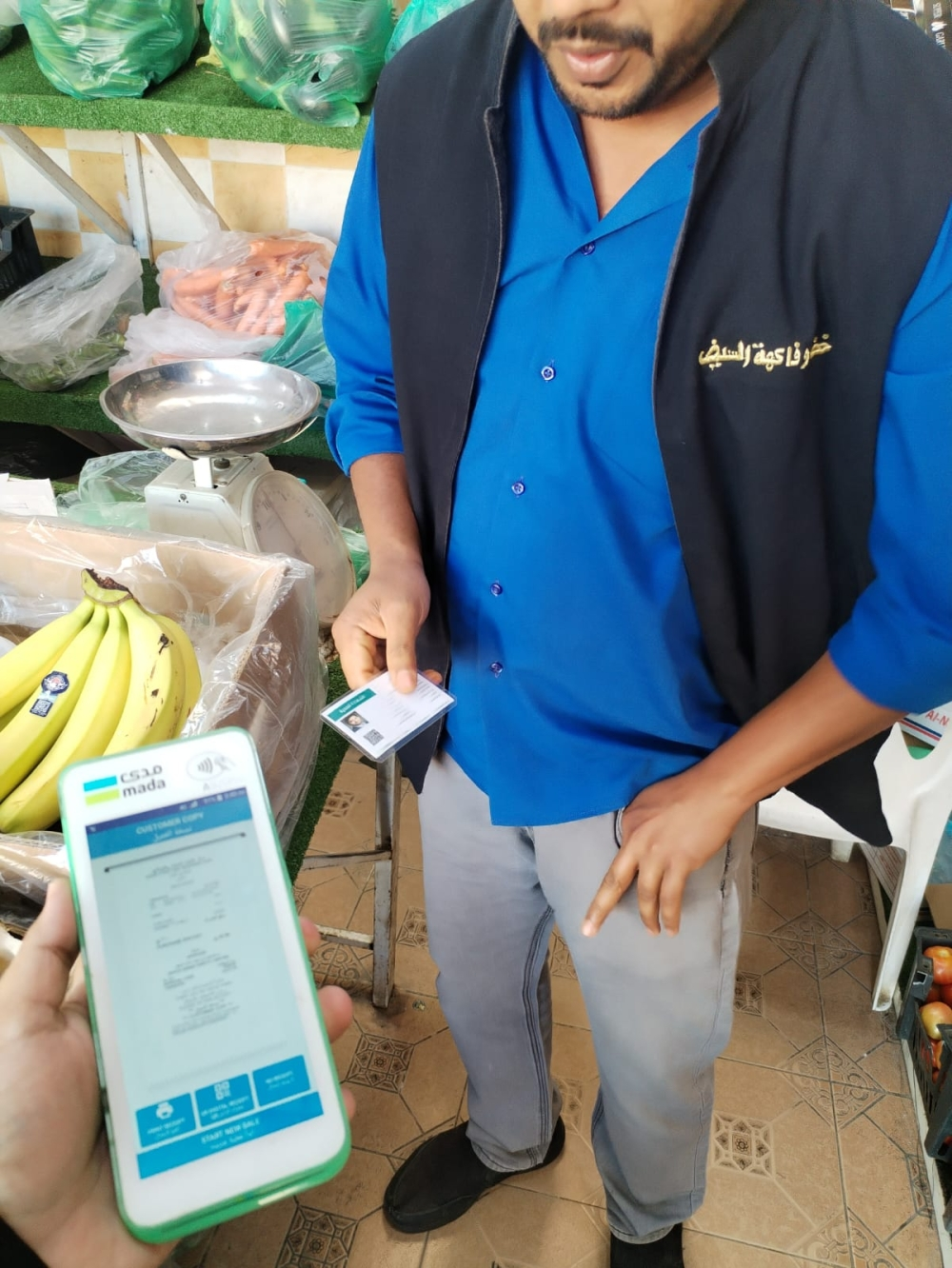
The Ministry of Environment, Water and Agriculture announced the intensification of its field efforts to ensure consumer health. The ministry's branch in Asir revealed that it conducted a series of inspection tours during the holy month of Ramadan. These intensive campaigns targeted public markets, slaughterhouses, and shops selling meat, vegetables, and fruits in various governorates and centers throughout the region. This step comes as part of the ministry's commitment to strengthening the food safety system and raising the level of compliance with health requirements, to ensure the availability of safe and healthy food for all citizens and residents during peak seasons.
The importance of inspection tours in Asir and the development of the food system
Historically, the Kingdom of Saudi Arabia has placed great importance on the public health and food safety sector, with its oversight mechanisms developing significantly over the decades. In the past, oversight relied on limited efforts, but with the launch of Vision 2030, the regulatory system has undergone a radical transformation towards digitalization and integrated institutional work. The inspection tours in Asir are an extension of this strategic development, now relying on specialized personnel and modern technologies to detect violations with high accuracy, reflecting the government's commitment to providing a sustainable and healthy environment that meets the highest international food safety standards.
Results of field inspection and examination of carcasses
In terms of field operations, specialized teams conducted 126 inspection tours covering 420 commercial establishments. These efforts resulted in the detection of 40 violations and the issuance of warnings to the violators, who were dealt with according to strict regulations. Twenty-one inspection officers participated in the inspections. Regarding slaughterhouses, veterinary teams intensified their examination and inspection of carcasses, with a total of 4,916 animals slaughtered. To ensure public health, 646 cases of total or partial destruction of carcasses and products unfit for human consumption were recorded.
The economic and social dimensions of strengthening oversight
These stringent measures are of paramount importance and have a positive impact at both the local and regional levels. Locally, these campaigns contribute to strengthening consumer confidence in the markets and protecting the community from foodborne illnesses. Regionally and internationally, the Kingdom's commitment to implementing rigorous standards in public markets reinforces its position as a model for food security management, particularly during religious seasons that witness increased consumption, such as Ramadan. This discipline reduces the economic burden of healthcare costs resulting from food poisoning.
Initiatives to preserve food and confiscate violations
The efforts were not limited to monitoring and accountability, but extended to include humanitarian and awareness-raising aspects. The ministry branch collaborated with eight associations specializing in food preservation to utilize surplus food suitable for consumption, thus reducing food waste. Twelve awareness campaigns were also conducted to raise health awareness among workers and consumers. In a related matter, inspection teams seized ten non-compliant items and destroyed 30 kilograms of spoiled fruits and vegetables. The ministry affirms the continuation of these proactive efforts throughout the holy month, particularly during peak times, to ensure the highest levels of safety.