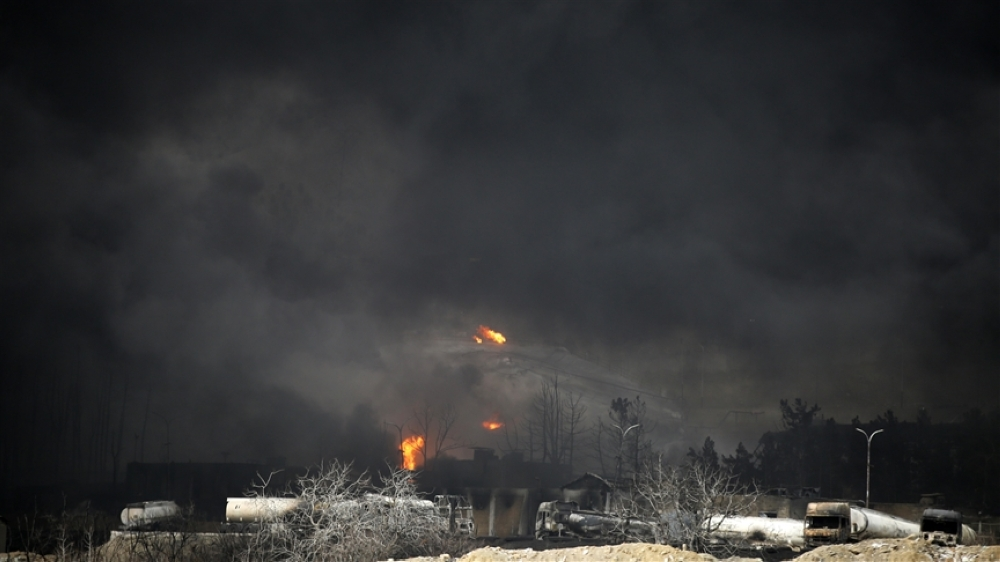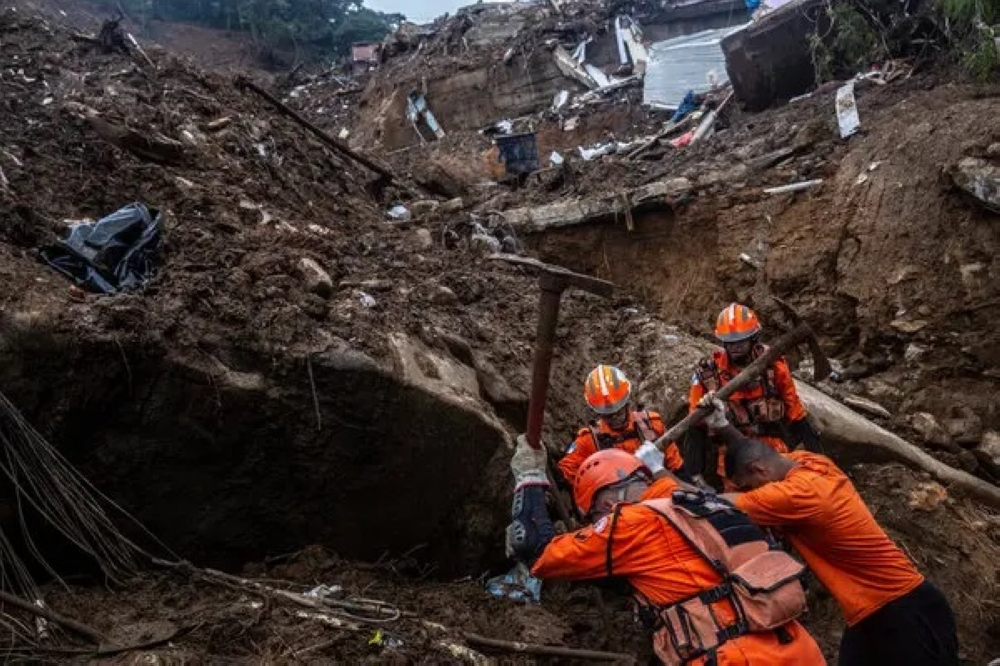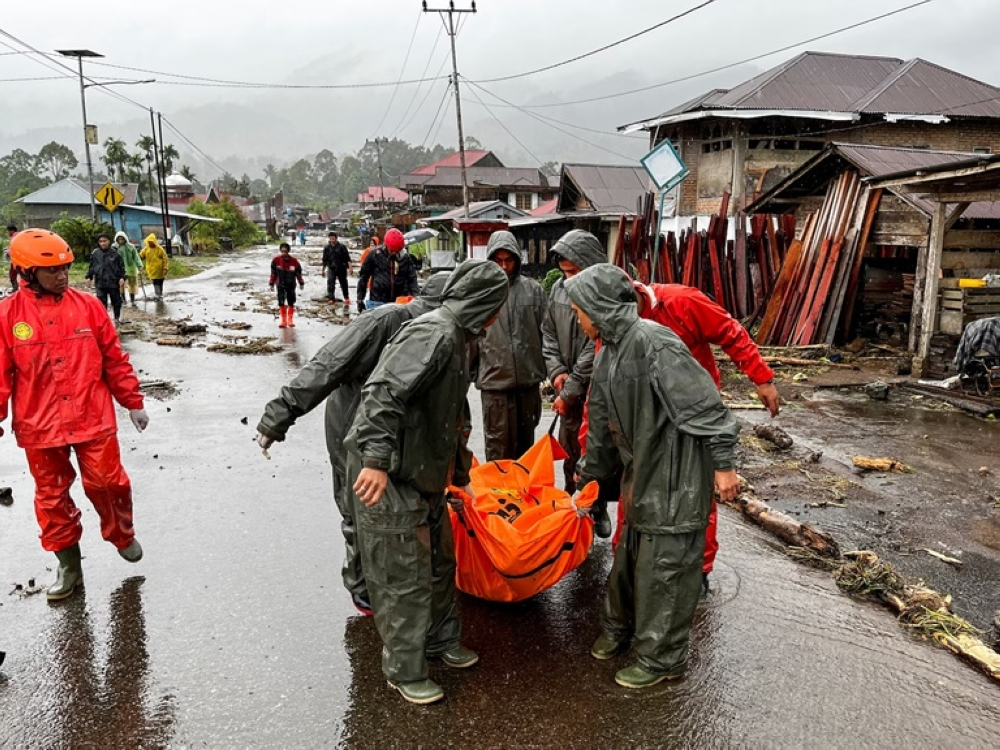
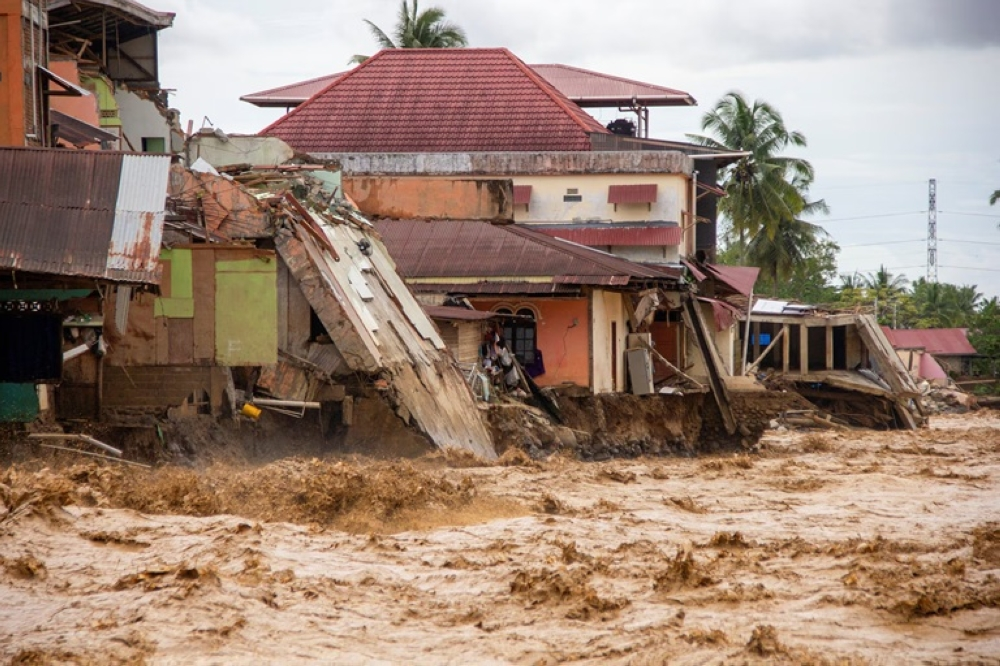
Indonesia is experiencing one of the worst natural disasters in its modern history, with the death toll from landslides and flash floods that struck the island of Sumatra reaching tragic levels. The country faces complex humanitarian and economic consequences as a result of the cyclones that swept through the region last week, leaving widespread destruction of infrastructure and heavy loss of life.
A horrific toll and mass displacement
In the latest official figures, the head of the National Disaster Management Agency, Suhariyanto, announced that the confirmed death toll had reached 921 , while 392 people remained missing, raising the possibility that the number of fatalities could rise as search operations continued. The disaster not only resulted in loss of life but also triggered a massive displacement, forcing approximately 975,000 people to flee their homes in search of safer shelters.
The Indonesian official explained that the most affected regions include North Sumatra and West Sumatra, but Aceh was the worst affected, with authorities there recording 366 deaths. Hundreds of villages in two disaster-stricken areas of the province remain completely cut off from the outside world due to the extensive damage to road and bridge networks.
Geographical and climatic context of the disaster
Indonesia, a vast archipelago of over 17,000 islands, is perpetually vulnerable to hydrological disasters, particularly during the monsoon season. Located on the Pacific Ring of Fire, the country's mountainous and volcanic terrain is unstable and prone to landslides during heavy rainfall. These floods occur within a global climate context characterized by increasingly extreme weather events, which is intensifying and increasing the frequency of such disasters in tropical regions.
Aceh province, in particular, holds a special and painful symbolic place in Indonesian and global memory, given its history with major natural disasters, making the current response a focus of attention for both the international and local communities.
The specter of hunger and emergency economic measures
The governor of Aceh province, Mudhakar Manaf, warned that hunger is the most serious threat facing remote, besieged villages, where waist-deep mud is hindering the delivery of aid and food supplies. Response teams are working under extremely difficult conditions to recover bodies and clear safe corridors for aid.
On the economic front, and in response to the living crisis caused by the destruction, the Central Bank issued directives to public and private banking institutions to reschedule loans granted to those affected, and not to impose any financial penalties on borrowers who defaulted on payments as a result of losing their property or sources of income.
Fears of renewed rainfall
The weather forecast is further complicating the situation, with Indonesia's national meteorological agency predicting the return of heavy rain on Saturday to the provinces of Aceh and North Sumatra. This forecast raises concerns about new landslides or a worsening of the situation in areas already inundated by mudslides, putting authorities and rescue teams in a race against time to salvage what they can before the weather deteriorates again.