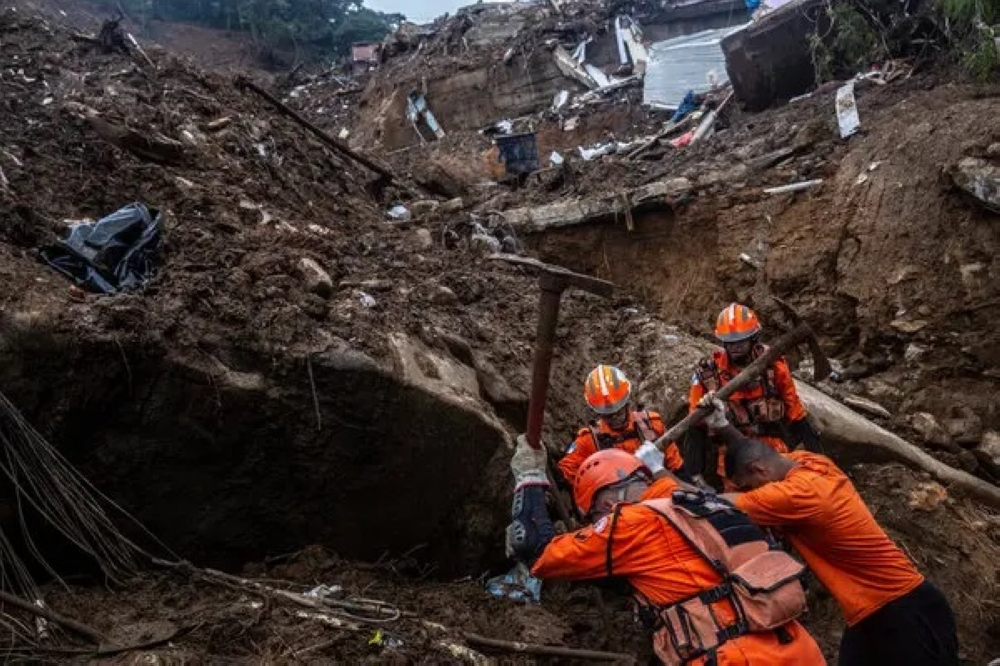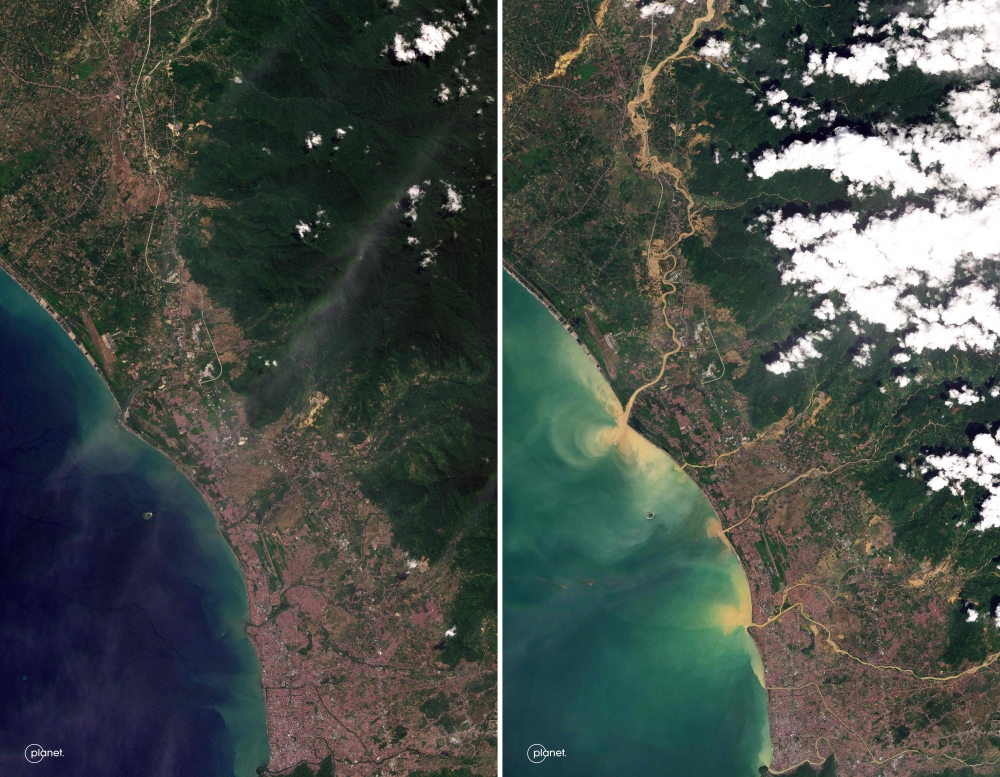
Indonesia's National Disaster Management Agency announced a tragic rise in the death toll from devastating floods and landslides that struck Sumatra Island, with the number of fatalities reaching 631. The disaster, the latest in a series of natural calamities to hit the country, has triggered a widespread humanitarian crisis, with nearly one million people displaced from their homes in search of safety.
Details of the disaster and rescue efforts
According to official data released on Tuesday, 472 people missing, raising concerns that the final death toll could rise as search and rescue operations continue. The disaster also injured 2,600 others across three major provinces on the island in the western part of the Indonesian archipelago. The agency indicated that more than 3.3 million people have been directly or indirectly affected by the floods, and one million of them have been moved to temporary shelters set up by authorities in cooperation with humanitarian organizations.
The geographical and climatic context of Indonesia
Indonesia, the world's largest archipelago, lies in a complex geographical region known as the "Ring of Fire," making it constantly vulnerable to earthquakes and volcanic eruptions. Furthermore, its tropical climate brings heavy monsoon rains, particularly between October and April. When these rains exceed normal levels, rivers overflow and the soil becomes waterlogged, significantly increasing the risk of landslides in the mountainous and hilly areas, a prominent topographical feature of Sumatra. Deforestation for agricultural and industrial purposes exacerbates the situation, as it reduces the soil's ability to absorb water, thus accelerating the flow of floods.
Local and regional influences
Locally, the floods caused widespread devastation to infrastructure, destroying thousands of homes, bridges, and roads, isolating numerous villages and areas, and hindering the reach of relief teams. Vast swathes of farmland were also inundated, threatening the livelihoods of millions who depend on agriculture. Regionally, this disaster highlights the shared challenges facing Southeast Asian nations in confronting climate change and extreme weather events. These floods come amidst a broader series of disasters that have recently struck the region, with the total death toll from floods in Indonesia, Sri Lanka, and Thailand exceeding 1,200, prompting a coordinated regional and international response.
Authorities' response and relief challenges
In response to this disaster, Indonesian authorities, including the military, deployed specialized teams to assist with evacuations, search and rescue operations, and the distribution of emergency aid. Relief teams face significant logistical challenges, including difficult access to affected areas due to damaged roads and adverse weather conditions. Current efforts are focused on providing basic necessities for displaced people, such as food, clean water, and medical care, to prevent outbreaks of waterborne diseases in overcrowded shelters.