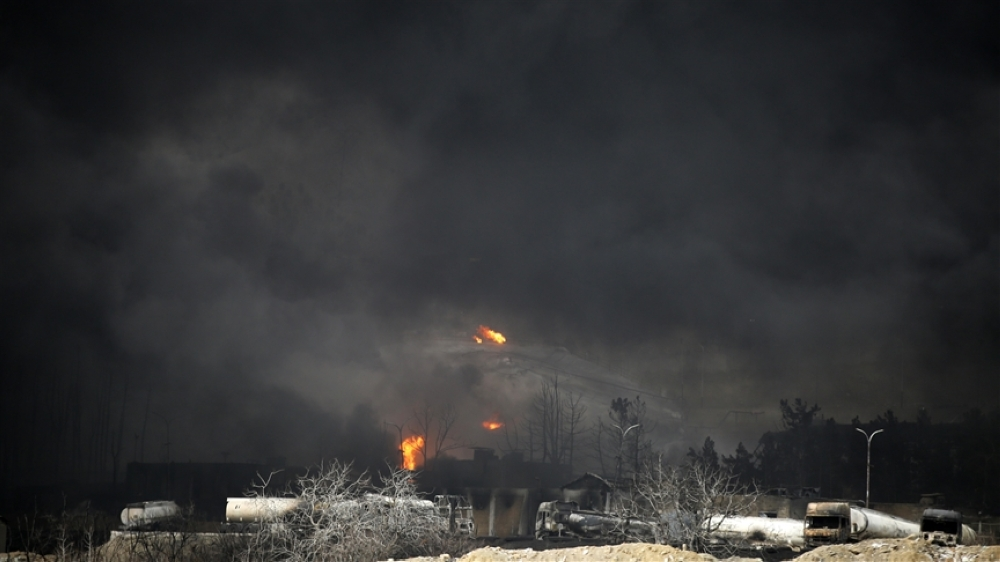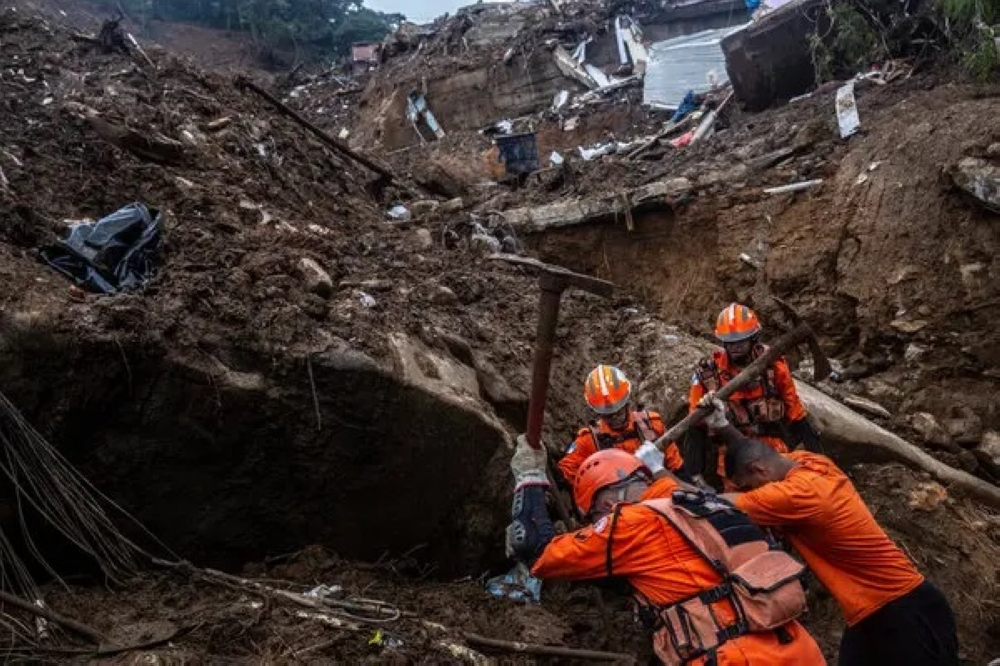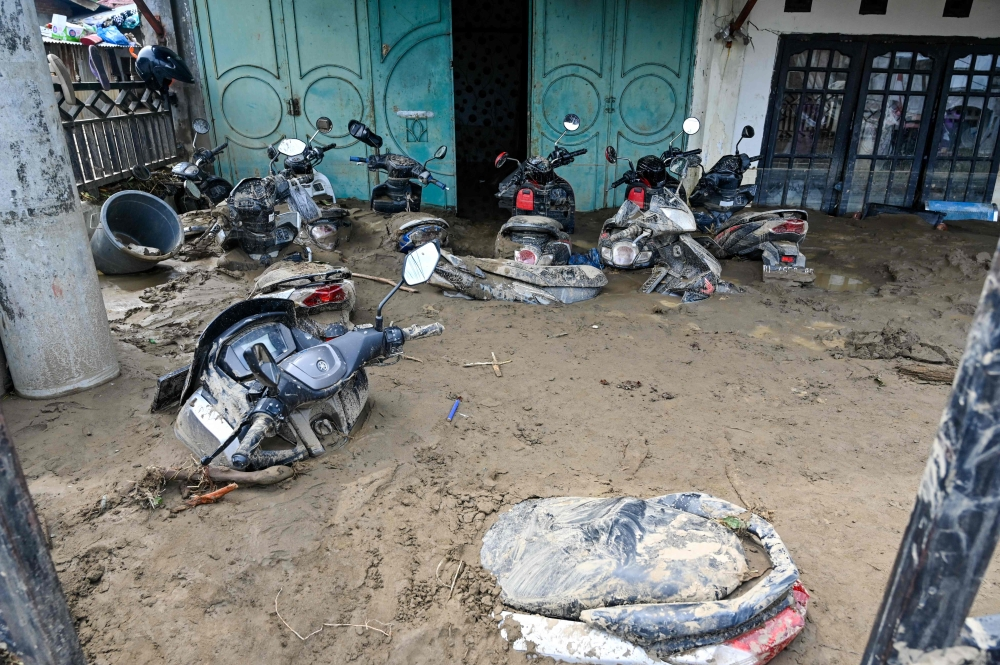
Indonesia’s National Disaster Management Agency has announced a tragic rise in the death toll from devastating floods and landslides that struck three provinces on the island of Sumatra, with the confirmed number of dead reaching 604 , while another 464 remain missing, raising fears that the final toll could rise even further as search and rescue operations continue.
Authorities explained that the disaster, concentrated in the provinces of North Sumatra, West Sumatra, and Aceh, has displaced nearly 570,000 people from their homes, leaving them homeless and facing harsh conditions. Relief teams are facing enormous logistical challenges, as damage to vital roads and disruption of communication networks have isolated many affected areas, making aid delivery primarily dependent on helicopters and airlifts to provide emergency supplies of food, water, and medicine.
General context: Indonesia facing nature and climate change
Indonesia, the world's largest archipelago, is among the countries most vulnerable to natural disasters due to its location on the Pacific Ring of Fire and its tropical rainy climate. Floods and landslides are frequent occurrences during the monsoon season, but scientists and experts confirm that the frequency and intensity of these disasters have increased significantly in recent years. This increase is attributed to two main factors: climate change, which is leading to heavier and more extreme rainfall, and deforestation for agriculture and mining, which weakens the soil's ability to absorb water and increases the risk of mudslides and flash floods.
Importance and expected effects
Locally, this disaster has dealt a devastating blow to the affected communities, with losses not only in lives but also in infrastructure, homes, and farmland upon which residents depend for their livelihoods. The economic impacts are expected to be long-lasting, requiring massive reconstruction efforts and support for those affected. In this context, Indonesian President Prabowo Subianto stated that “government rescue and relief efforts are proceeding at full force,” emphasizing the need for Indonesia to respond more effectively to the challenges of climate change and for local governments to play a greater role in environmental protection and enhancing preparedness for future extreme weather events. Regionally and internationally, this disaster underscores once again the urgent need for international cooperation to address the climate crisis and support developing countries in building their resilience to the increasing frequency of natural disasters.