كارثة طبيعية تضرب سومطرة
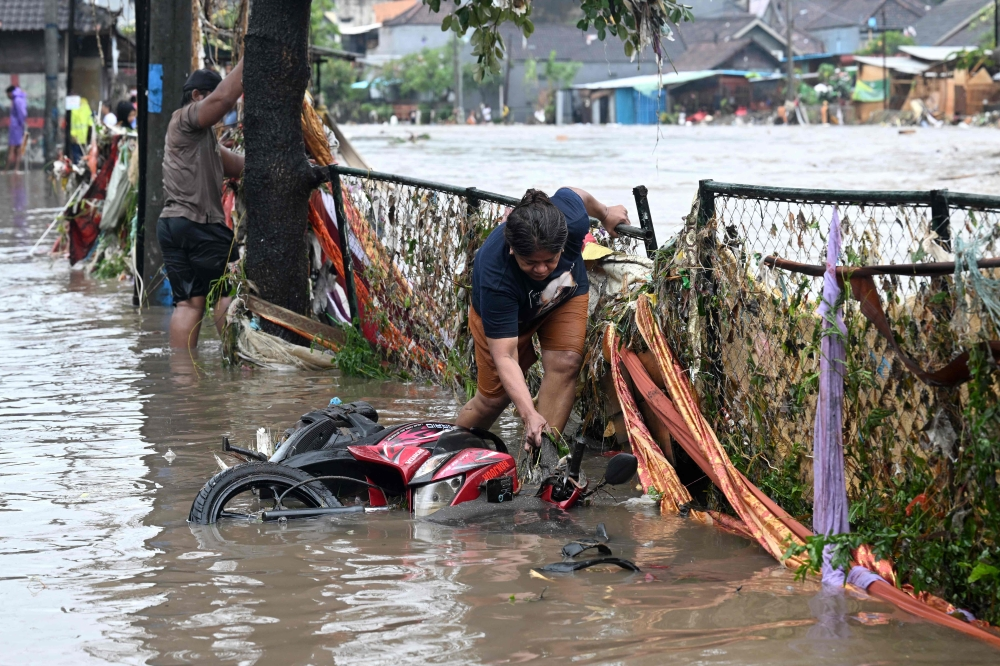
أعلنت السلطات الإندونيسية عن ارتفاع مأساوي في حصيلة ضحايا الفيضانات العارمة والانهيارات الأرضية التي اجتاحت جزيرة سومطرة، حيث وصل عدد القتلى إلى 19 شخصًا، بينما لا يزال 20 آخرون في عداد المفقودين. وتأتي هذه الكارثة نتيجة للأمطار الموسمية الغزيرة التي هطلت بلا انقطاع على مدى عدة أيام، مما أدى إلى تفاقم الوضع الإنساني وتحديات كبيرة لفرق الإنقاذ التي تكافح للوصول إلى المناطق المنكوبة.
تفاصيل الوضع الميداني وجهود الإنقاذ
تركزت الأضرار بشكل كبير في إقليم شمال سومطرة، وتحديدًا في منطقة تابانولي الجنوبية، التي غمرتها مياه الفيضانات منذ يوم الاثنين. وأكد إيمي فريزر، رئيس الوكالة الوطنية للبحث والإنقاذ، أن الحصيلة مرشحة للارتفاع مع استمرار عمليات البحث في ستة مواقع مختلفة. وتواجه فرق الإنقاذ صعوبات جمة بسبب سوء الأحوال الجوية المستمر الذي أدى إلى انقطاع الطرق الرئيسية وتوقف خدمات الاتصالات والكهرباء، مما عزل العديد من القرى والبلدات. وأوضح المسؤولون أن الأولوية القصوى حاليًا هي إيصال المساعدات الإغاثية العاجلة والإمدادات الأساسية للمتضررين المحاصرين.
السياق الجغرافي والمناخي لإندونيسيا
تعتبر إندونيسيا، بأرخبيلها المكون من آلاف الجزر، واحدة من أكثر دول العالم عرضة للكوارث الطبيعية. يرجع ذلك إلى موقعها الجغرافي على “حزام النار” في المحيط الهادئ، مما يجعلها عرضة للزلازل والبراكين، بالإضافة إلى مناخها الاستوائي الذي يتسبب في هطول أمطار موسمية غزيرة. يمتد موسم الأمطار عادةً من يونيو إلى سبتمبر، وخلاله تزداد بشكل كبير مخاطر الفيضانات والانهيارات الأرضية، خاصة في المناطق ذات التضاريس الجبلية والغابات الكثيفة مثل جزيرة سومطرة. كما تساهم إزالة الغابات والتوسع العمراني غير المنظم في تفاقم هذه المخاطر، حيث تضعف التربة وتفقد قدرتها على امتصاص مياه الأمطار.
The importance and expected effects of the disaster
على الصعيد المحلي، تتسبب هذه الكارثة في مأساة إنسانية عميقة، مع فقدان الأرواح وتشريد آلاف الأسر التي فقدت منازلها ومصادر رزقها. كما تؤدي إلى أضرار جسيمة في البنية التحتية، مما يعيق جهود التنمية ويتطلب استثمارات ضخمة لإعادة الإعمار. أما على الصعيد الإقليمي والدولي، فإن تكرار مثل هذه الكوارث يسلط الضوء على التأثيرات المتزايدة لتغير المناخ، الذي يؤدي إلى ظواهر جوية أكثر تطرفًا. وتحذر وكالة الأرصاد الجوية الإندونيسية من أن تشكل إعصار “سنيار” قد يجلب المزيد من الأمطار والرياح العاتية، مما ينذر بتفاقم الوضع في الأيام المقبلة، ويستدعي تضافر الجهود المحلية والدولية لتقديم الدعم والمساعدة العاجلة.