A horrific human tragedy struck the city of Manado on the Indonesian island of Sulawesi, where at least 16 people perished in a massive fire at the Werda Damai nursing home. The incident occurred late at night, complicating evacuation and rescue efforts for the elderly residents, many of whom suffered from mobility issues.
Details of the bloody night in Manado
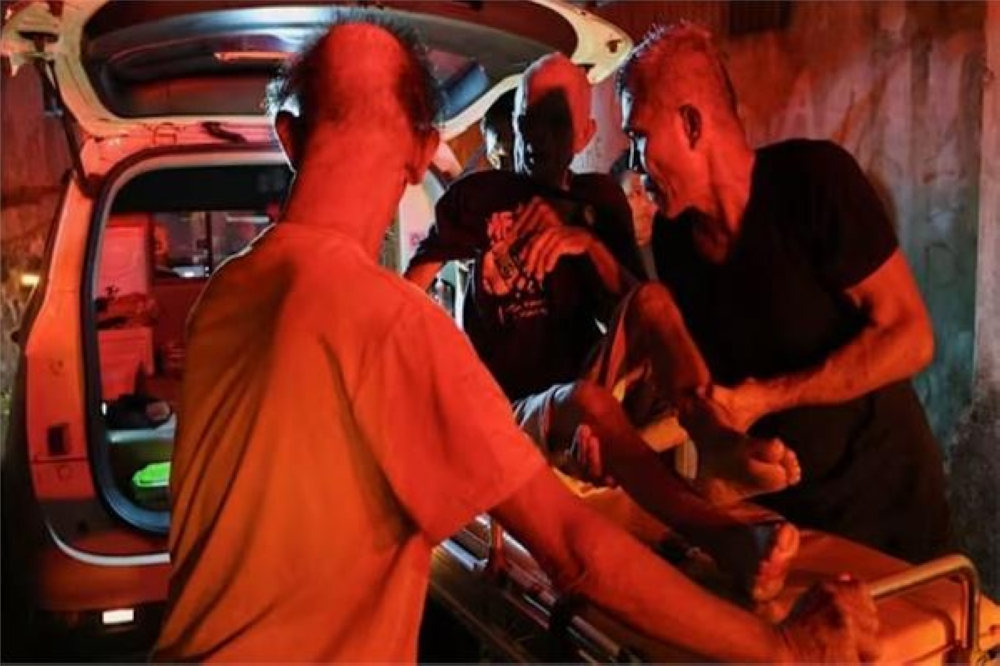
Initial reports and eyewitness accounts indicate that flames suddenly and intensely erupted from the nursing home, causing panic in the surrounding area. Television footage broadcast by local media showed distressing scenes of the fire engulfing the building, while local residents and rescue teams desperately tried to help elderly people escape the thick smoke. The Manado police chief stated at an official press conference that authorities immediately launched an investigation to determine the cause of the fire at the nursing home, which housed approximately 30 people at the time of the incident. He confirmed that firefighters were able to bring the blaze under control after a strenuous effort.
Record of fire incidents and infrastructure challenges
This tragic incident brings to the forefront the issue of safety standards in public and service buildings in Indonesia. Contextually, many cities in the Indonesian archipelago face infrastructure safety challenges, with fires frequently occurring in densely populated areas or older buildings that sometimes lack effective early warning systems or adequate emergency exits. These incidents serve as a stark reminder of the urgent need to review and update building and safety regulations, particularly in facilities serving vulnerable communities such as the elderly and children, where rapid response can be a matter of life and death.
Social impact and the need for preventive measures
This incident is expected to have a significant impact on the local community in Sulawesi and on the national level in Indonesia, as such disasters typically spark public sympathy and calls for stricter government oversight. The significance of this event lies in highlighting the preparedness of nursing homes to handle emergencies. Evacuating the elderly requires specialized training and logistical arrangements that differ from those needed in ordinary buildings. This tragedy is likely to prompt local and regional authorities to launch extensive inspections of nursing homes and health centers to ensure they meet fire safety standards, thereby preventing similar tragedies in the future and guaranteeing a safe environment for this vulnerable population.