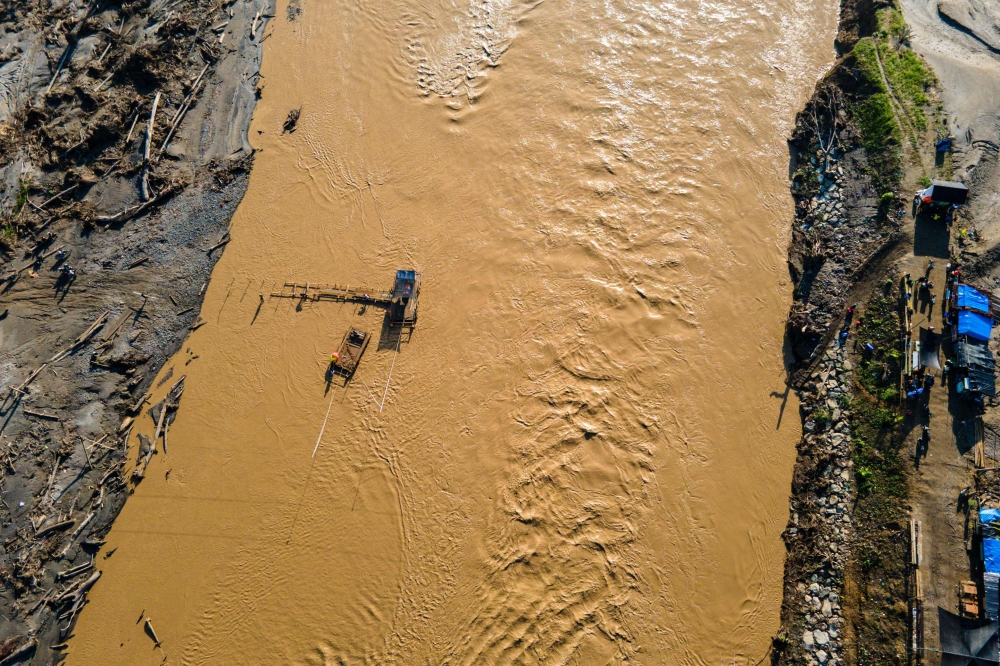
لقي ما لا يقل عن 14 شخصًا مصرعهم، في حصيلة أولية جراء السيول والانهيارات الأرضية العنيفة التي ضربت منطقة سولاويسي الشمالية في إندونيسيا، وتحديداً في جزيرة سياو. وتأتي هذه الكارثة الطبيعية نتيجة الأمطار الغزيرة التي هطلت دون توقف، مما تسبب في فيضانات عارمة جرفت المنازل وأغلقت الطرق الرئيسية.
استمرار عمليات البحث والإنقاذ
أفادت السلطات المحلية والوكالة الوطنية لإدارة الكوارث أن فرق الإنقاذ تواصل سباقها مع الزمن للبحث عن 4 مفقودين لا يزال مصيرهم مجهولاً تحت الأنقاض أو جراء جرف المياه. كما سجلت الفرق الطبية إصابة 18 شخصًا بجروح متفاوتة الخطورة، مع استمرار عمليات المسح الميداني وجمع المعلومات تحسبًا لوجود حالات إضافية لم يتم الإبلاغ عنها بعد في المناطق النائية التي عزلتها السيول.
إجلاء السكان وتضرر البنية التحتية
تسببت الكارثة في دمار واسع النطاق، حيث لا تزال الطرق الرئيسية في المناطق المتضررة مغطاة بأكوام من الحطام والطين والصخور الضخمة التي جرفتها الانهيارات الأرضية. وقد اضطرت السلطات إلى إجلاء ما لا يقل عن 444 شخصًا من منازلهم ونقلهم إلى مراكز إيواء مؤقتة لضمان سلامتهم. وتعمل الآليات الثقيلة حالياً بجهد مكثف لفتح الطرق المغلقة ومحاولة إعادة شريان الحياة للمناطق المنكوبة، بعد أن أدت السيول إلى تدمير مئات المنازل والمباني الحكومية.
السياق الجغرافي والمناخي للكارثة
تعد إندونيسيا، وهي أرخبيل ضخم يضم أكثر من 17 ألف جزيرة، واحدة من أكثر الدول عرضة للكوارث الطبيعية المرتبطة بالمناخ. وتقع البلاد في منطقة استوائية تشهد مواسم أمطار غزيرة ودورية. وتأتي هذه الحادثة في ظل ذروة موسم الأمطار الذي يضرب البلاد عادة، والذي يتوقع استمراره بكثافة خلال شهري يناير وفبراير. هذه الفترة من العام تشهد عادة ارتفاعاً ملحوظاً في منسوب المياه، مما يزيد بشكل كبير من مخاطر الفيضانات والانهيارات الأرضية، خاصة في المناطق الجبلية والمنحدرات غير المستقرة مثل تلك الموجودة في سولاويسي.
التحديات البيئية وتكرار الحوادث
لا تعد هذه الحادثة معزولة، بل هي جزء من نمط متكرر تعاني منه إندونيسيا سنوياً. فبالإضافة إلى العوامل المناخية الطبيعية، يساهم التضاريس الوعرة للبلاد وطبيعة التربة البركانية في سرعة تشكل السيول الجارفة عند هطول الأمطار الغزيرة. وغالباً ما تؤدي هذه الكوارث إلى خسائر اقتصادية فادحة وتعطيل للحياة اليومية، مما يضع ضغوطاً كبيرة على أجهزة الطوارئ والبنية التحتية المحلية التي تواجه تحديات مستمرة في الصيانة والتطوير لمواجهة التغيرات المناخية المتطرفة.
وتحث السلطات الإندونيسية المواطنين القاطنين بالقرب من ضفاف الأنهار والمنحدرات الجبلية على توخي أقصى درجات الحيطة والحذر، والالتزام بتعليمات الإخلاء الفوري عند صدور التحذيرات، نظراً لاستمرار التوقعات الجوية غير المستقرة في المنطقة.