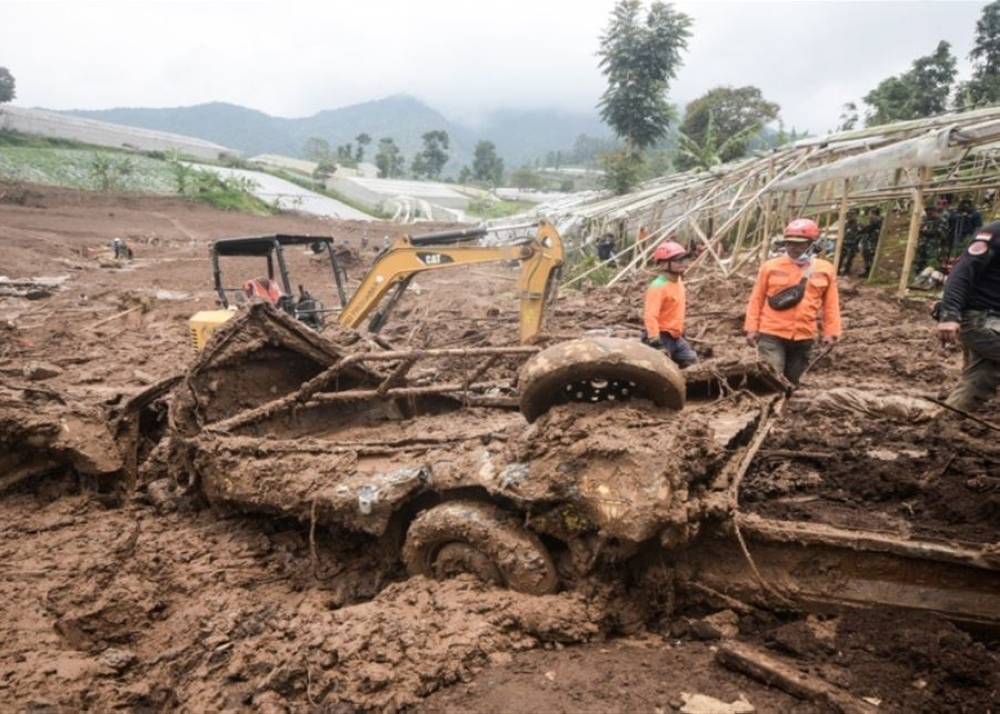
أعلنت السلطات الإندونيسية عن ارتفاع حصيلة ضحايا الانهيار الأرضي المأساوي الذي ضرب قرية باسيرلانغو في جزيرة جاوة الرئيسية إلى 53 قتيلاً، وذلك بعد أسبوع من وقوع الكارثة التي نجمت عن هطول أمطار غزيرة. وتستمر فرق الإنقاذ في سباق مع الزمن للبحث عن 10 أشخاص ما زالوا في عداد المفقودين تحت أطنان من الوحل والركام.
الكارثة لم تقتصر على الخسائر في الأرواح، بل تسببت في تشريد ما يقارب 650 شخصاً بعد أن دمر الانهيار الطيني أكثر من 50 منزلاً، محولاً القرية الهادئة إلى منطقة منكوبة. وتعمل السلطات على توفير المأوى والغذاء والمساعدات الطارئة للنازحين الذين فقدوا كل ما يملكون في لحظات.
جهود الإنقاذ تتواصل وسط ظروف صعبة
يشارك آلاف من رجال الإنقاذ، مدعومين بعناصر من الجيش والشرطة ومتطوعين، في عمليات البحث والإنقاذ المعقدة. وأكد آدي ديان بيرمانا، رئيس وكالة البحث والإنقاذ المحلية، أن الفرق تمكنت من انتشال 53 جثة تم التعرف على هويتها حتى يوم السبت. وأضاف أن تحسن الأحوال الجوية مؤخراً قد ساهم في تسهيل عمليات البحث، مما يبعث على أمل ضئيل في العثور على ناجين أو انتشال جثث المفقودين المتبقين. ومما زاد من تعقيد الموقف، إعلان البحرية الإندونيسية أن 23 من عناصرها كانوا في مهمة تدريبية بالمنطقة وحوصروا جراء انهيار التربة، مما استدعى جهوداً مكثفة لتحديد مصيرهم.
السياق العام: إندونيسيا في مواجهة الكوارث الطبيعية
تعتبر الانهيارات الأرضية والفيضانات من الكوارث الشائعة في إندونيسيا، خاصة خلال موسم الأمطار الموسمية الذي يمتد عادةً من شهر أكتوبر إلى مارس. ويعود ذلك إلى طبيعة الأرخبيل الجغرافية، حيث يقع على “حزام النار” في المحيط الهادئ، مما يجعله عرضة للزلازل والبراكين، بالإضافة إلى مناخه الاستوائي الذي يتسم بهطول أمطار غزيرة. هذه العوامل الطبيعية، عندما تجتمع مع عوامل بشرية، تخلق بيئة خصبة لوقوع الكوارث.
تأثير إزالة الغابات وتداعياته
أشارت الحكومة الإندونيسية إلى أن إزالة الغابات (قطع الأحراج) تلعب دوراً محورياً في تفاقم هذه الكوارث. فالغابات تعمل كخط دفاع طبيعي، حيث تساعد جذور الأشجار على تثبيت التربة وامتصاص كميات هائلة من مياه الأمطار. ومع التوسع في قطع الأشجار لأغراض زراعية أو عمرانية، تصبح التربة مكشوفة وهشة، وأكثر عرضة للانهيار عند تشبعها بالمياه. هذه المشكلة ليست جديدة، فقد تسببت في كوارث سابقة مثل فيضانات جزيرة سومطرة التي أودت بحياة المئات وشردت الآلاف، مما يسلط الضوء على الحاجة الملحة لسياسات بيئية أكثر صرامة وإعادة التشجير.
الأهمية والتأثير المتوقع للكارثة
على المستوى المحلي، تمثل هذه الكارثة فاجعة إنسانية واقتصادية للمجتمعات المتضررة، حيث تتطلب إعادة بناء البنية التحتية والمنازل جهوداً وموارد ضخمة. أما على الصعيد الوطني، فإنها تضع ضغطاً كبيراً على وكالات إدارة الكوارث وتبرز أهمية تطوير أنظمة الإنذار المبكر وتوعية السكان في المناطق المعرضة للخطر. دولياً، تجذب مثل هذه الأحداث انتباه المنظمات الإنسانية التي قد تقدم الدعم والمساعدة، كما أنها تذكر العالم بالتأثيرات المدمرة للتغير المناخي والتدهور البيئي على المجتمعات الأكثر ضعفاً.