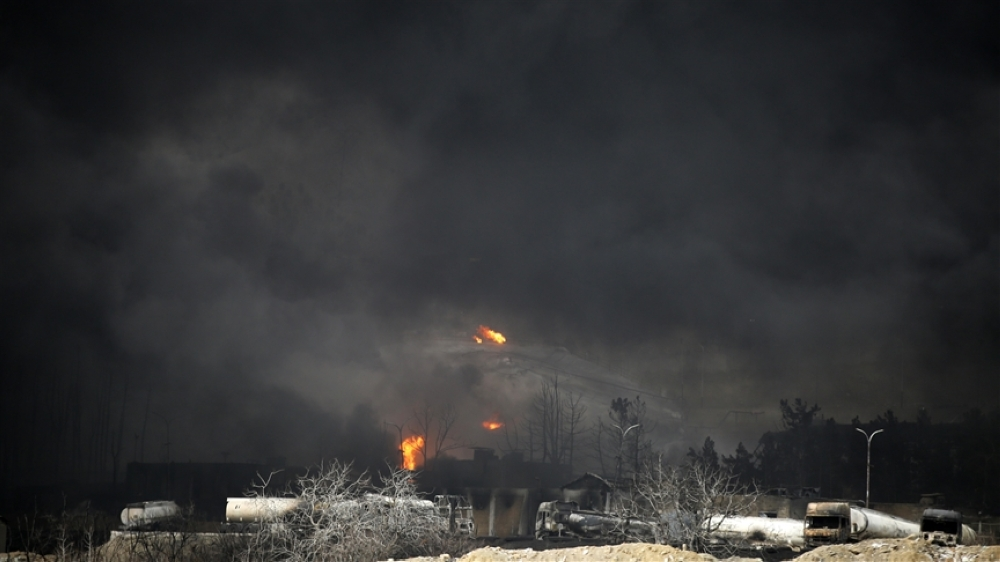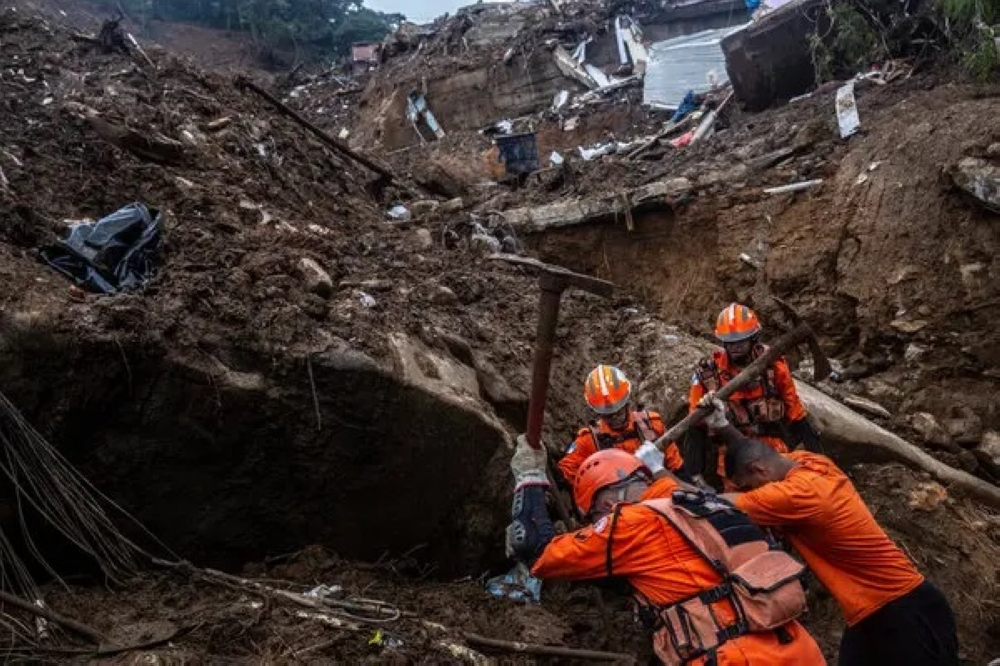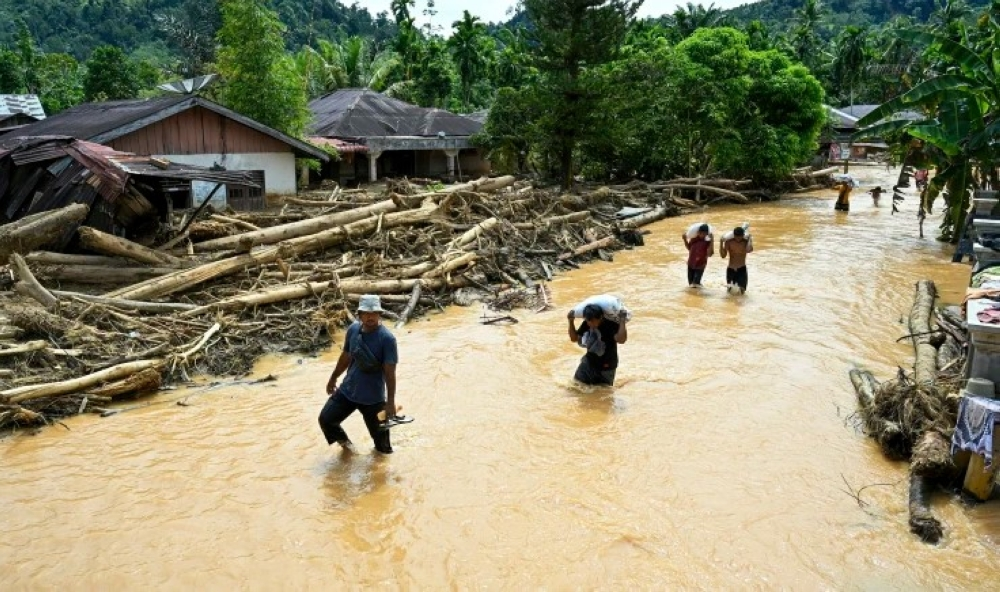
In a tragic turn of events in Southeast Asia, the death toll from the devastating floods and landslides that struck the Indonesian island of Sumatra has risen to alarming figures, with authorities confirming 961 deaths and at least 5,000 injuries of varying severity. These new figures reflect the immense scale of the destruction caused by the relentless torrential rains.
Details of the disaster and the announced figures
The Indonesian Disaster Management Center stated in an official statement today that the natural disaster that struck three major provinces on the island of Sumatra caused widespread devastation. In addition to the significant increase in the number of dead and injured, rescue teams are still searching for 293 missing people, amid fears that the chances of finding survivors are diminishing as time passes and mudslides accumulate.
In a related context, the disaster management agency in East Aceh province announced that the material damage was very severe, with 10,715 homes and public facilities suffering severe damage, after torrential floods swept through 24 sub-districts of the province during the past week, leading to an almost complete paralysis of daily life and the destruction of vital infrastructure.
Geographical and climatic context: Why do tragedies keep recurring?
Indonesia, a vast archipelago of over 17,000 islands, is one of the world's most disaster-prone countries. This is due to its geographic location and climate; the country experiences a rainy season that typically lasts from October to April. Heavy tropical rainfall, combined with the country's mountainous and volcanic terrain, often saturates the soil, making it prone to deadly landslides and flash floods.
Furthermore, environmental experts point out that human factors play a pivotal role in exacerbating these disasters. Ongoing deforestation for palm oil plantations and unplanned urban expansion into natural watersheds weaken the land's ability to absorb water, transforming normal monsoon rains into humanitarian catastrophes.
Humanitarian challenges and the impact of the disaster
This disaster is placing immense pressure on the Indonesian government and international aid teams. With roads and bridges destroyed, rescue teams face significant logistical challenges in reaching isolated villages to provide food, medicine, and shelter to the displaced. Serious health concerns also arise regarding the potential spread of waterborne diseases due to damaged sewage systems and overcrowded temporary shelters.
On the economic front, these floods represent a severe blow to the local economy in Sumatra, where the population relies heavily on agriculture that has been swept away by the torrents, threatening food security and sources of income for thousands of families for a long time to come.