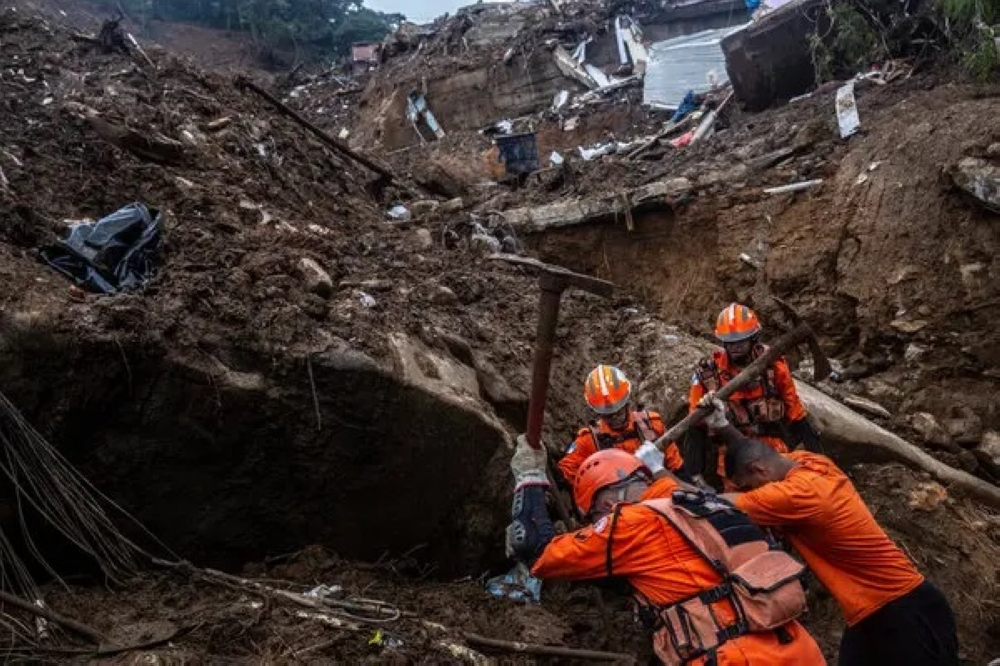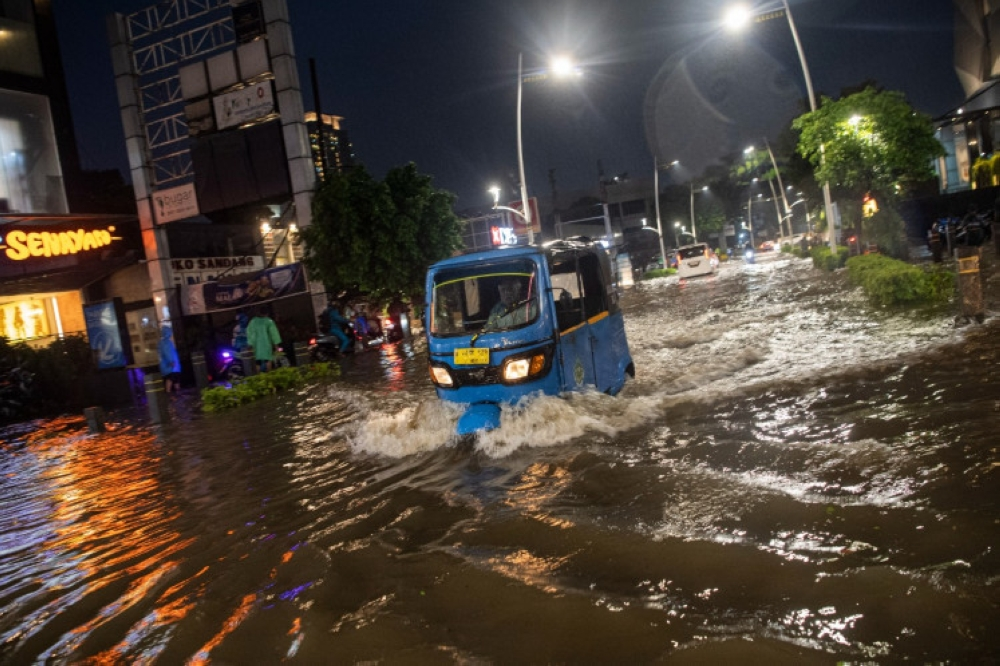
Indonesia's Sumatra island has been struck by a devastating natural disaster, with the death toll from floods and landslides that hit the region this month tragically rising. According to the latest official government figures, the number of fatalities has surpassed 900, while 274 people remain missing, amid fears that the numbers will climb further as search and rescue operations continue in the affected areas.
Details of the disaster in Sumatra
Continuous heavy rains caused devastating floods and flash floods, resulting in widespread destruction of infrastructure and homes. In Aceh province, the scenes painted a grim picture of suffering, as local residents were forced to trek cautiously over uprooted trees and overturned car frames swept away by the water in a desperate attempt to reach aid and shelter centers. Volunteers rushed to provide water, clothing, and basic necessities to survivors who had lost everything.
Broad regional impacts
The effects of this severe weather event were not limited to Indonesia; they extended to neighboring countries in Southeast Asia. Violent storms and accompanying floods caused the deaths of approximately 200 people in both southern Thailand and Malaysia, making this one of the deadliest natural disasters in the region in recent years and calling for regional cooperation to address the aftermath.
Geographical and climatic context
Comprising more than 17,000 islands, Indonesia is constantly vulnerable to natural disasters, especially during the monsoon season. The mountainous terrain and fragile volcanic soil exacerbate the risk of landslides when heavy rains fall. Environmental experts believe that factors such as deforestation and unplanned urban sprawl in floodplains intensify these disasters, transforming ordinary natural phenomena into widespread human tragedies.
Calls for a state of emergency and relief efforts
In light of this dire situation, local officials in Sumatra have called on the central government to declare a national state of emergency to expedite the arrival of federal aid and mobilize all available resources to support relief efforts. Rescue teams are facing immense logistical challenges due to road closures and damaged bridges, hindering the delivery of heavy machinery and medical equipment to isolated villages surrounded by water and mud.