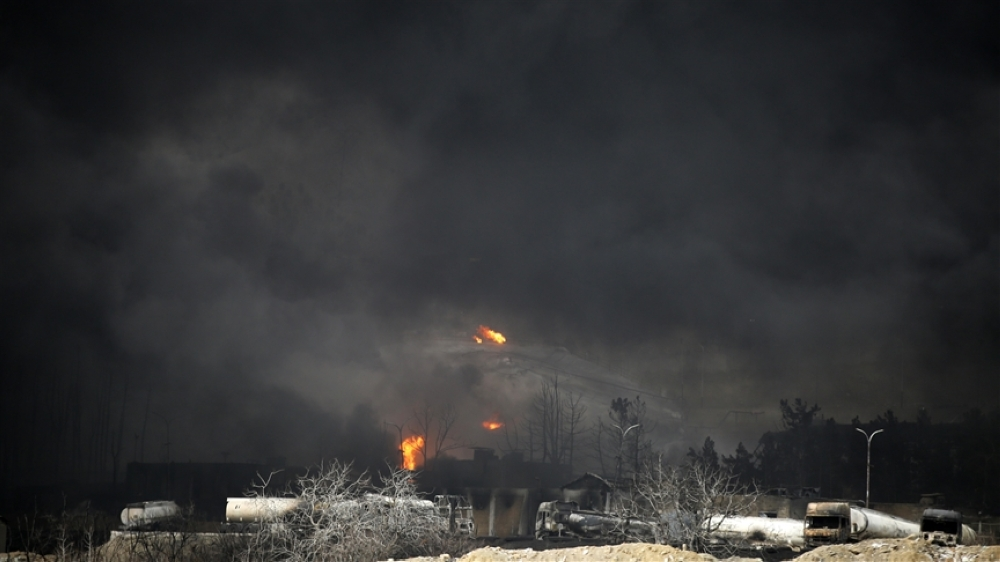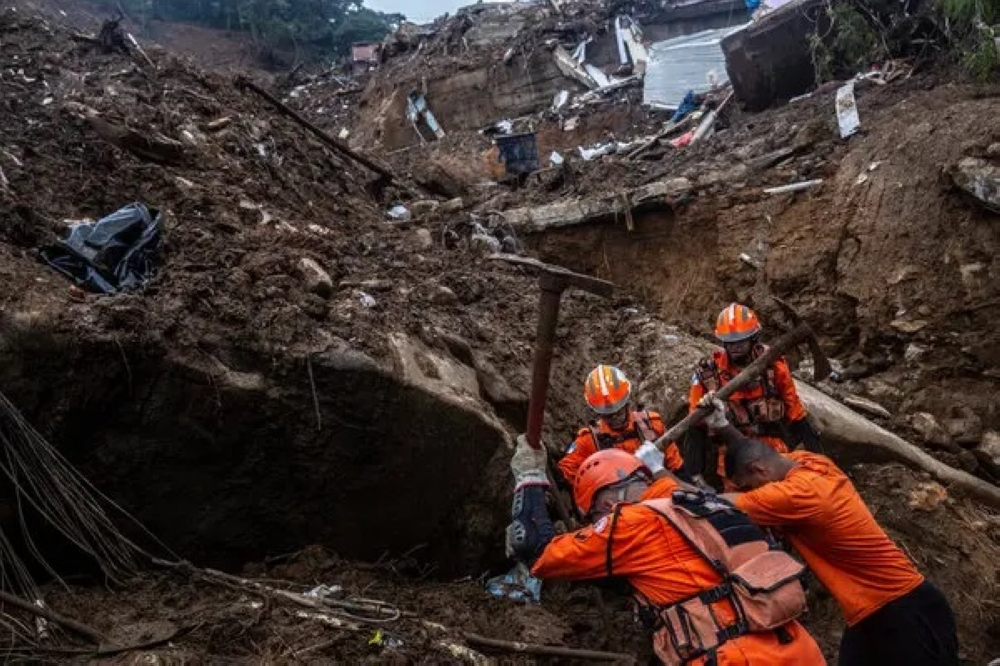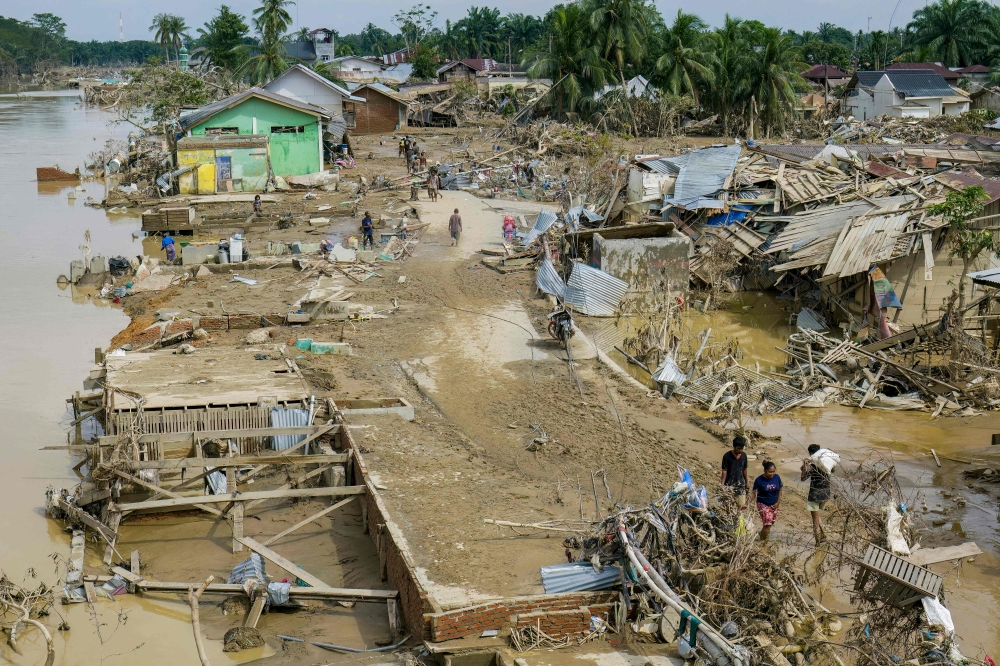
Indonesia’s Sumatra island has been hit by a horrific humanitarian disaster due to torrential floods and devastating landslides, with the death toll tragically rising to 770, while the fate of another 463 people remains unknown and they are still missing, according to the latest data from local authorities across the three most affected provinces on the island.
In detailing the situation on the ground, the head of the Disaster Information and Communication Center at Indonesia's National Disaster Management Agency stated that rescue teams are facing enormous challenges. Although several shipments of logistical aid have arrived in the affected areas, officials confirmed that they are still insufficient to meet the growing needs of survivors and displaced persons. The crisis is exacerbated by severe fuel shortages and limited access to transportation, hindering evacuation efforts and the distribution of aid in isolated areas.
The geographical and climatic context of disasters in Indonesia
This disaster is part of a series of natural challenges facing Indonesia, the Southeast Asian archipelago. The country has a tropical climate and a long, heavy rainy season that typically lasts for several months, making it frequently vulnerable to hydrometeorological disasters such as floods and landslides. Sumatra, with its rugged mountainous terrain and dense forests, is one of the most vulnerable areas to these phenomena, especially when volcanic soil becomes saturated with water, leading to massive landslides that destroy villages and infrastructure.
Environmental challenges and infrastructure impact
Environmental experts often link the severity of these disasters to human factors such as deforestation and unplanned urban expansion in floodplains. The absence of vegetation reduces the land's ability to absorb rainwater, thus accelerating flash floods. In the current situation, damage to roads and bridges poses a major obstacle to humanitarian operations. The report also noted that fuel shortages are not merely an energy crisis, but a logistical impediment preventing heavy machinery from clearing roads and debris to search for missing persons.
Humanitarian and economic repercussions
The loss of hundreds of lives and the displacement of thousands place immense strain on local and national resources. The impact of these floods extends beyond the immediate human toll, including the destruction of crops and homes, threatening the long-term food and economic security of communities in Sumatra. These alarming figures of victims and missing persons necessitate a swift response not only at the local level but may also require international intervention and support for search and rescue and reconstruction efforts. Furthermore, a review of disaster risk reduction strategies in the region is essential to prevent such tragedies from recurring.