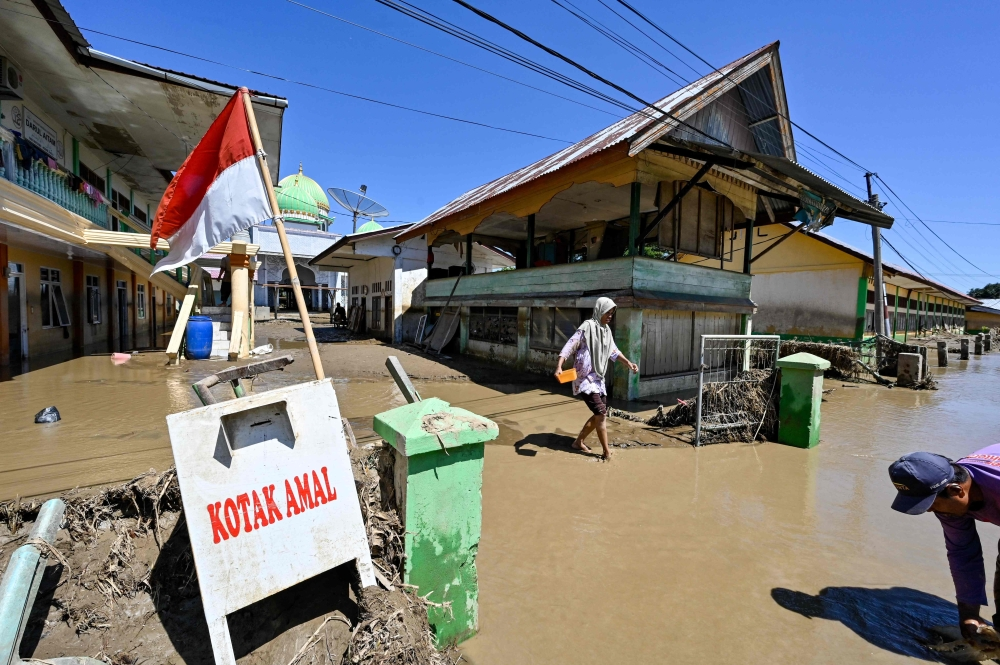
Indonesia's National Disaster Management Agency announced on Sunday a tragic rise in the death toll from devastating floods and landslides that have swept across the country, with the confirmed number of fatalities reaching 442. The disaster is compounded by the fact that 402 people remain missing, raising fears that the final death toll could climb significantly higher.
Rescue efforts face enormous challenges
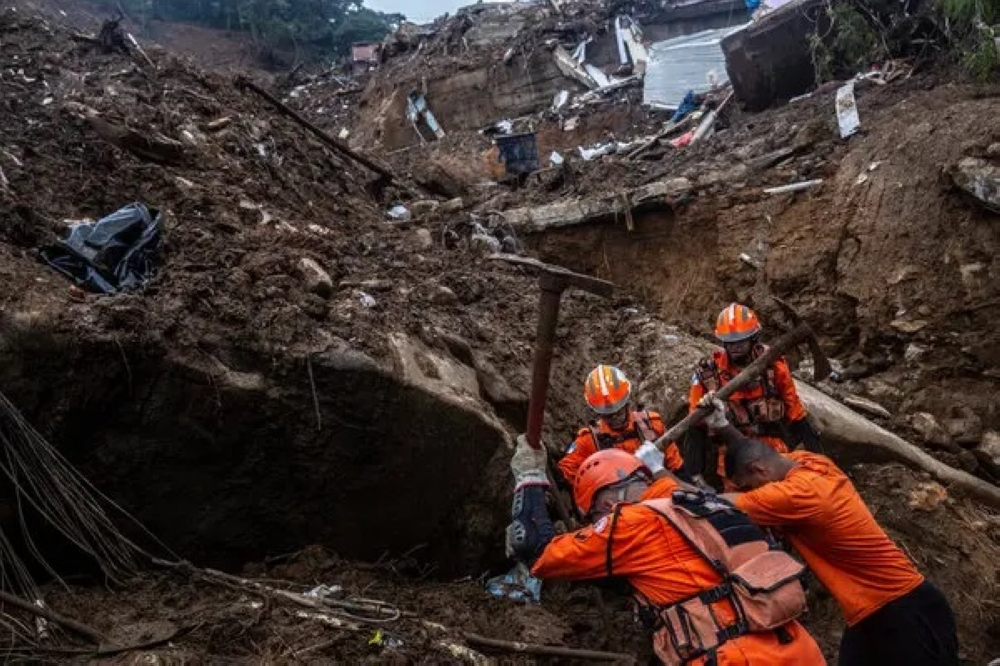
The greatest damage is concentrated on Sumatra, one of the largest islands in the Indonesian archipelago, where torrential rains and mudslides have isolated entire villages and destroyed vital infrastructure. Rescue and relief teams are facing significant difficulties reaching the affected areas due to collapsed bridges and damaged roads, hindering the search for the missing and the delivery of urgent aid to thousands of stranded people cut off from food and clean water. According to official reports, 646 people have been injured so far and are receiving treatment in field hospitals and nearby health centers.
Indonesia is constantly facing natural disasters
Floods and landslides are frequent occurrences in Indonesia, particularly during the rainy season, which typically runs from October to April. This phenomenon is exacerbated by the country's unique geographical location; the archipelago of thousands of islands lies on the Pacific Ring of Fire, making it prone to earthquakes and volcanic eruptions, in addition to its location in a tropical region with heavy rainfall. Human factors such as widespread deforestation and unplanned urban sprawl in sloping areas also contribute to the increased risk of landslides, as the soil loses its ability to absorb rainwater.
Local and international impacts of the disaster
At the local level, this disaster has devastating consequences beyond human loss, displacing tens of thousands of people and destroying their homes and livelihoods, particularly in agricultural areas. Regionally and internationally, these recurring disasters highlight Indonesia's vulnerability to climate change and increase pressure on the government to develop more effective early warning systems and strengthen infrastructure to withstand extreme weather events. Such events typically necessitate an international humanitarian response, with countries and NGOs providing emergency aid to support national relief efforts.