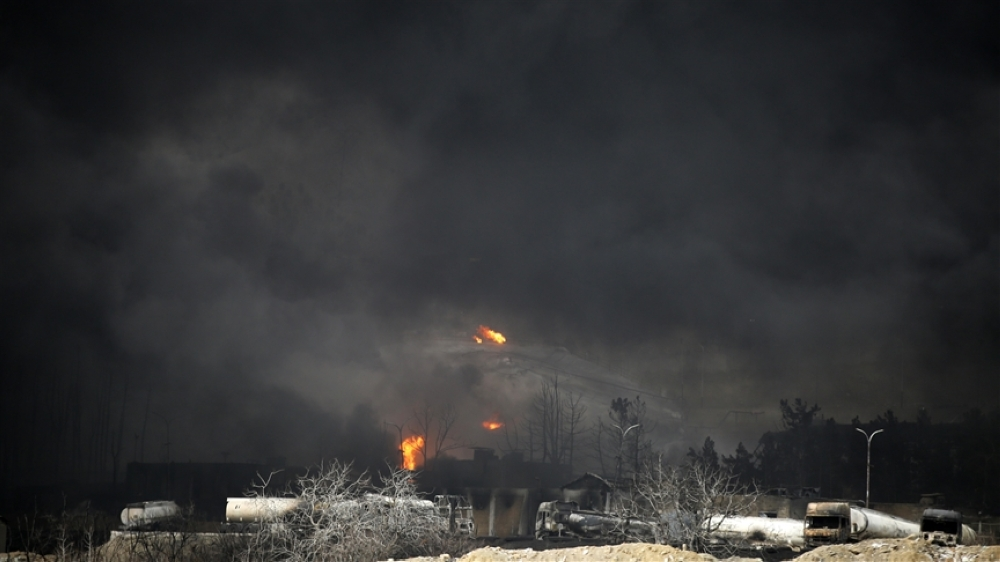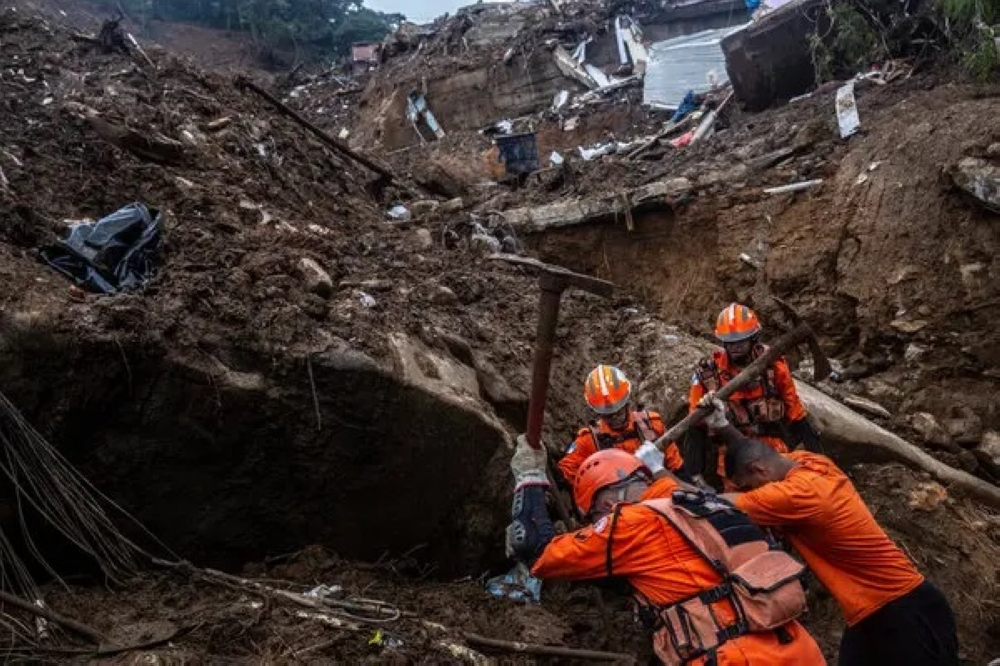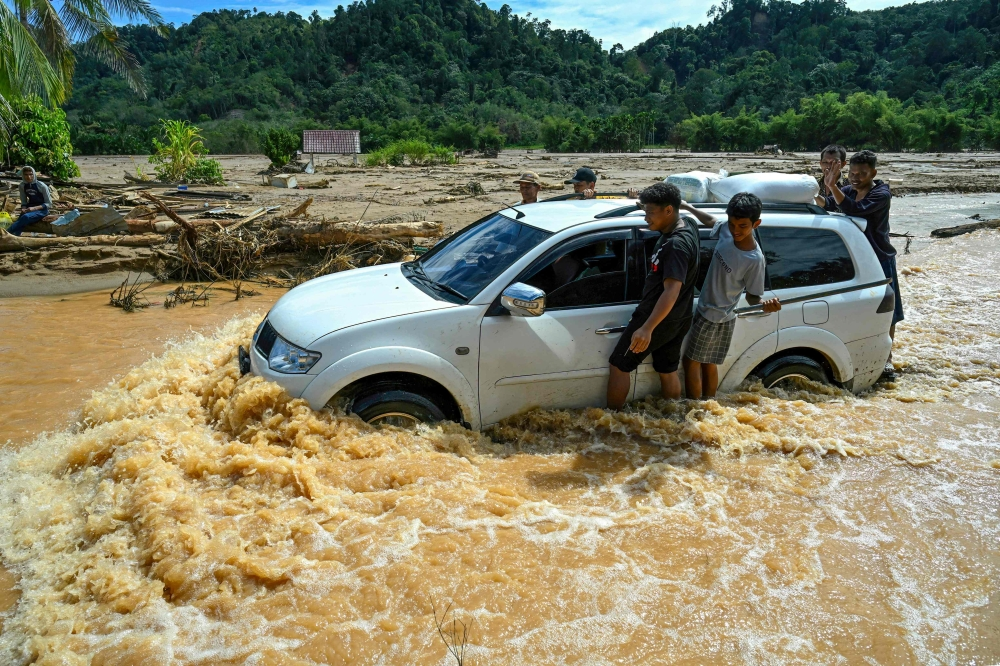
Indonesian authorities have announced a tragic rise in the death toll from the devastating floods and landslides that struck Sumatra, one of the country's largest islands, bringing the total to 708. This disaster has once again highlighted the environmental and climate challenges facing the Indonesian archipelago, as rescue teams race against time to deliver aid and repair the damaged infrastructure.
Context of the disaster: Indonesia's geographical and climatic nature
Indonesia lies on the Pacific Ring of Fire, making it prone to earthquakes and volcanic eruptions. Its tropical climate also brings heavy monsoon rains, particularly between October and April. Sumatra, with its mountainous terrain and dense forests, is among the areas most affected by these phenomena. When the soil becomes saturated with rainwater, the risk of landslides increases significantly, especially in areas that have experienced deforestation, as tree roots help stabilize the soil and prevent erosion.
The importance and expected effects of the disaster
The repercussions of this disaster extend far beyond the devastating human to include profound economic and social consequences. Locally, the floods and landslides have destroyed thousands of homes and farms, leading to mass displacement. They have also severed roads and bridges, isolating numerous villages and hindering the delivery of rescue and humanitarian aid. This situation raises the specter of a potential health crisis due to water contamination and the spread of disease.
Regionally and internationally, this disaster highlights the scale of the challenges facing Southeast Asian countries in confronting climate change. Such events often necessitate an international response, with neighboring countries and global humanitarian organizations providing emergency aid and technical support. The disaster may also affect supply chains for some of Sumatra's renowned commodities, such as palm oil, rubber, and coffee, potentially having a minor impact on global markets.
Government relief and response efforts
According to Indonesia's disaster management agency, search and rescue operations and the distribution of urgent aid have been given top priority. Field teams are working around the clock to clear blocked roads and repair vital infrastructure, using helicopters and boats to reach the worst-affected areas. Authorities confirmed that efforts are currently focused on evacuating residents from dangerous areas and providing shelter, food, and clean water to those affected, in a race against time to prevent the humanitarian crisis from worsening.