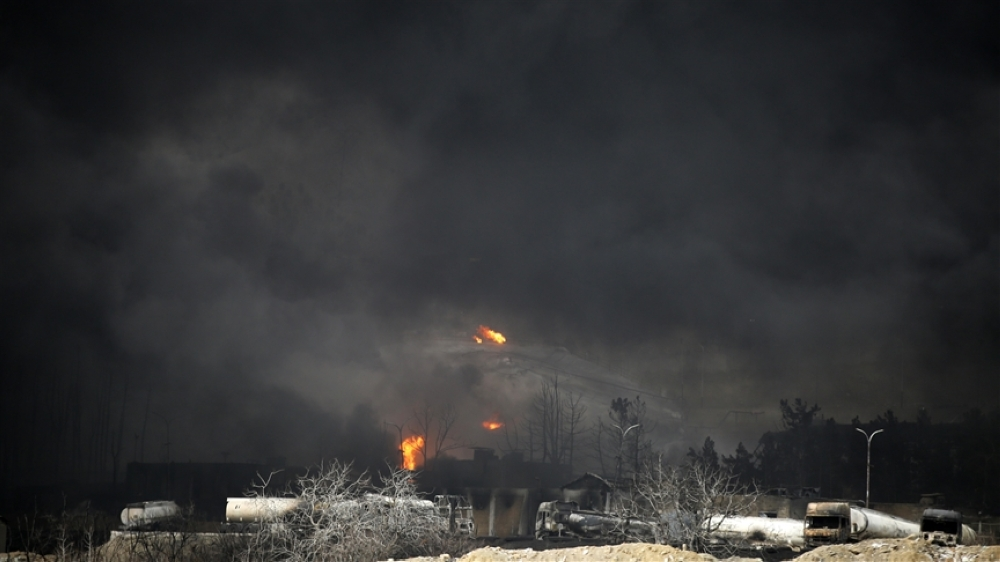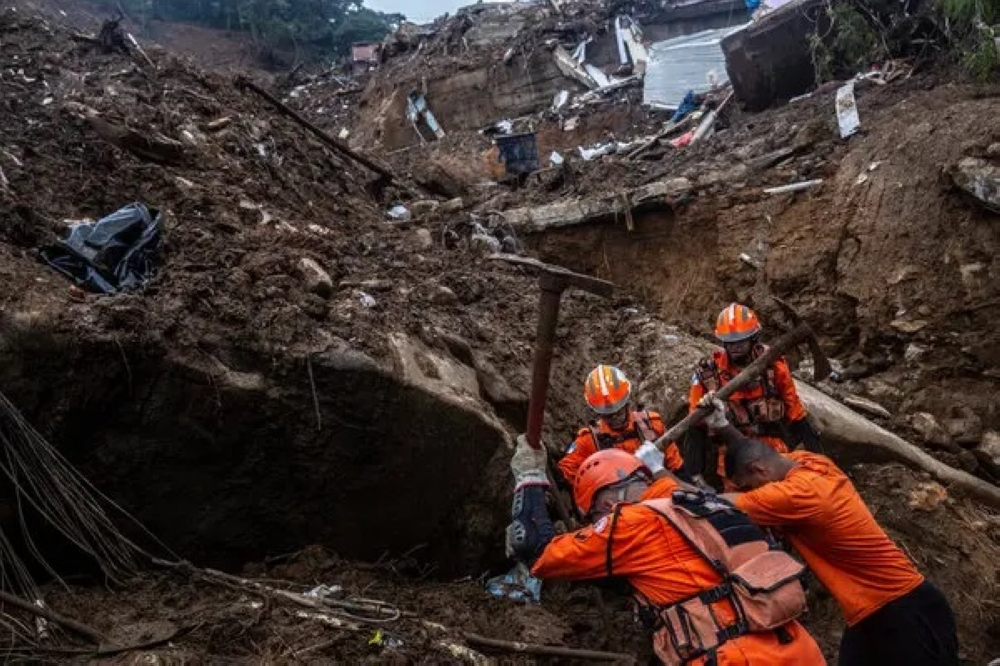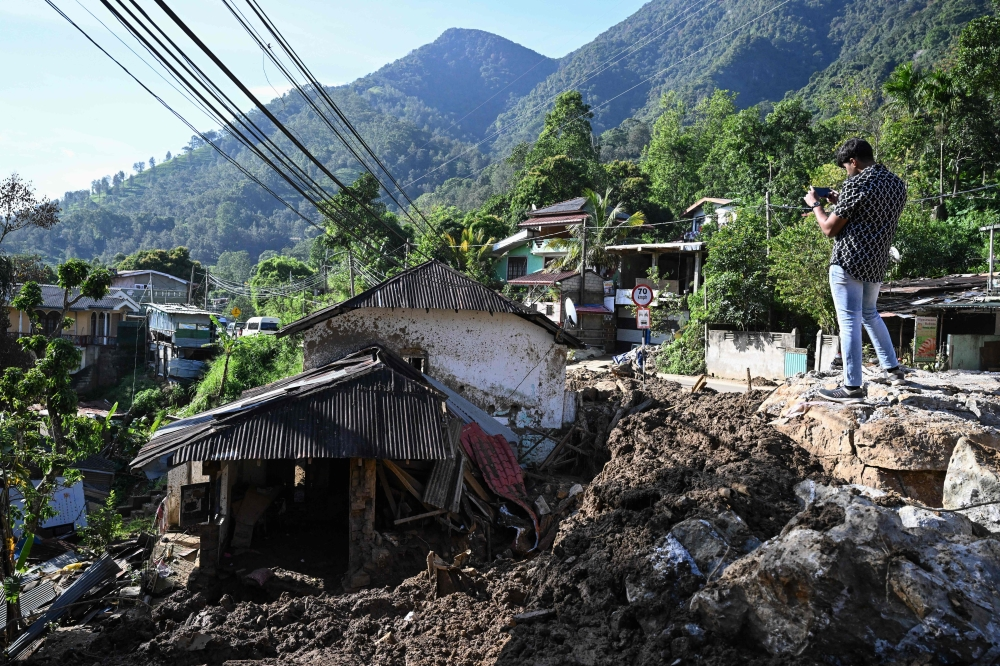
Indonesia's National Disaster Management Agency announced in a new and heartbreaking update that the death toll from the recent devastating floods and landslides has surpassed 1,000, making it one of the worst natural disasters to hit the archipelago this year. A spokesperson for the agency confirmed at a press conference on Saturday that rescue teams are still searching for 217 people who remain missing, amid extremely difficult weather conditions.
The worst damage is concentrated in the provinces of North and West Sumatra, as well as Aceh, which bore the brunt of the devastation. Authorities stated that the flash floods that struck these areas two weeks ago have so far claimed 1,006 lives, with hopes fading of finding more survivors under the rubble or in the completely flooded areas.
Geographical context and climate challenges
Due to its location in Southeast Asia, Indonesia is constantly vulnerable to natural disasters linked to its tropical climate and seismic activity. Situated within the "Ring of Fire," the country's volcanic mountainous terrain makes the soil fragile and prone to landslides when saturated with heavy rainfall. These floods occurred at the peak of the monsoon season, an annual phenomenon that typically causes rivers to swell and flash floods to form. However, this year's rainfall exceeded normal levels, resulting in this humanitarian catastrophe.
Painful memories in Aceh
This disaster brought back painful memories of the 2004 tsunami that devastated Aceh. The current floods are among the worst disasters to strike Sumatra and Aceh since then. In a shocking tally for this region alone, the death toll has reached 415, compounding the suffering of residents whose collective memory is still burdened by past tragedies.
Regional impact and displacement crisis
The severe weather wasn't confined to Indonesia; tropical storms and monsoon rains battered large swaths of Southeast Asia, including Malaysia, Thailand, and as far south as Sri Lanka, triggering landslides and flash floods across the region. This catastrophic situation led to mass displacement, with reports indicating that approximately 1.2 million people are currently living in temporary shelters lacking basic necessities.
In a firsthand account of the scale of the devastation, a 50-year-old woman living near Aceh Tameyang told AFP: “Most of the houses here have disappeared, they have been completely destroyed,” noting that her house was swept away by huge tree trunks thrown up by the floodwaters, and she now lives with her family in a tent, in a scene that embodies the suffering of thousands.
Warnings of worse to come
As search and rescue operations continue, the Indonesian Meteorology, Climatology, and Geophysics Agency (BMKG) has issued warnings of potentially worsening weather conditions in the coming days, forecasting further heavy rainfall, particularly in Aceh, Sumatra, Bengkulu, and Banten. These forecasts are complicating the work of rescue teams and raising concerns about the possibility of new landslides that could increase the death toll.