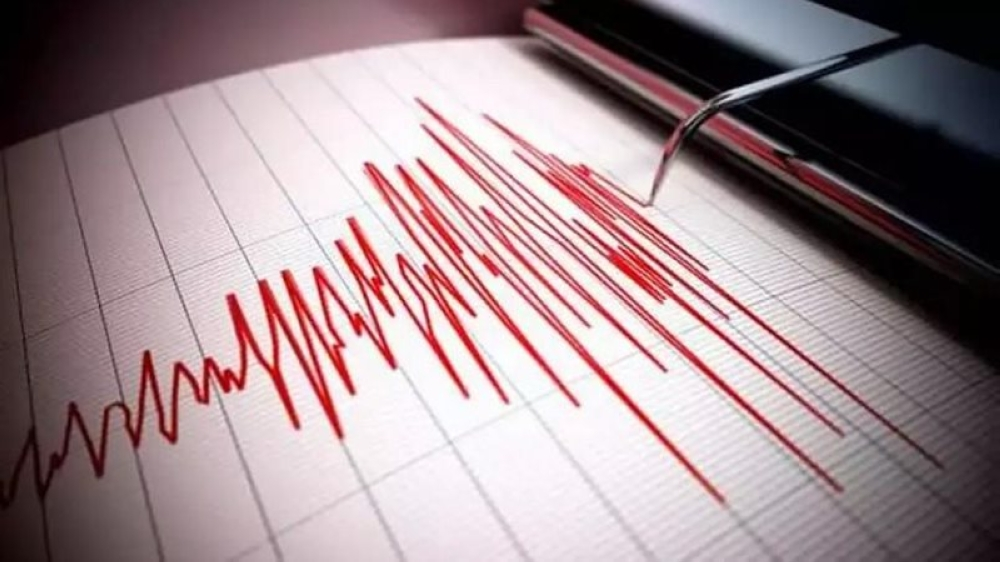
A seismic event struck western Indonesia, specifically near the town of Fakfak, on Monday, with geological monitoring stations recording a 4.7 magnitude earthquake. This event serves as a stark reminder of the geologically active nature of the Indonesian archipelago, which is one of the most seismically and volcanically active regions in the world.
Earthquake details and geological survey data
According to official data from the U.S. Geological Survey (USGS), the earthquake's epicenter was located 157 kilometers west of Vaccac. The quake occurred at a depth of 12.4 kilometers, which is geologically classified as relatively shallow. Shallow earthquakes are typically felt more by residents than deeper ones, but the epicenter's location in the sea and its distance from densely populated areas helped to mitigate the immediate impact.
As of the time of writing, there have been no official reports of casualties or significant damage to infrastructure in areas near the epicenter. Local authorities and disaster management agencies continue to monitor the situation for any aftershocks, a routine procedure in such cases to ensure public safety.
Indonesia and the "Ring of Fire": A Geological and Historical Context
This event cannot be separated from Indonesia's geographical and geological context; the country lies at the heart of the Pacific Ring of Fire. This region is a vast arc stretching 40,000 kilometers, characterized by intense seismic and volcanic activity resulting from the convergence of several major tectonic plates. Scientific studies indicate that approximately 90% of the world's earthquakes occur within this ring.
Historically, Indonesia has suffered devastating earthquakes that have left a deep mark on global memory, most notably the 2004 Indian Ocean earthquake and tsunami, which caused unprecedented and immense loss of life. This historical background makes every earthquake, regardless of its magnitude, an event that demands close attention and monitoring. The Indonesian government and international organizations have developed sophisticated early warning systems to address these natural hazards.
Regional importance and impact of tectonic activity
The importance of monitoring such moderate earthquakes (like today's 4.7 magnitude earthquake) lies in their role as a vital indicator of the release of energy stored between tectonic plates. The periodic occurrence of moderate earthquakes can sometimes help alleviate accumulated geological pressure, which theoretically reduces the likelihood of sudden, massive earthquakes occurring at the same point, although accurate earthquake prediction remains a significant scientific challenge.
Regionally, neighboring countries in Southeast Asia and Australia are following the seismic activity in Indonesia with great interest, given that large tectonic movements in this region could affect maritime navigation or generate tsunamis in extreme cases, which thankfully did not happen in today’s earthquake.