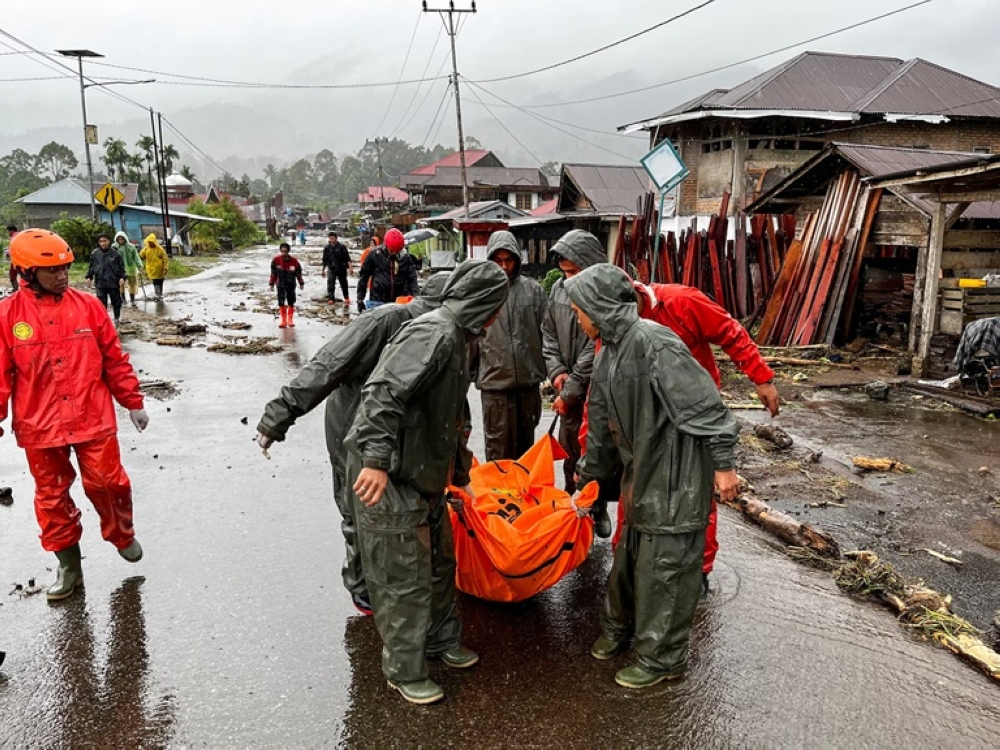
The Indonesian National Disaster Management Agency (BNPB) officially declared a state of emergency today in several districts of North Sulawesi province, specifically in the Siau Islands, Tagulandang, and Sitaro regions. This decisive measure comes in response to the severe consequences of flash floods and torrential rains that struck the area, resulting in significant loss of life and property. At least 16 deaths have been confirmed so far, while hundreds of residents have been forced to flee their homes in search of safer shelters.
Details of the emergency declaration and government decision
In a press statement from Jakarta, Abdul Mahari, head of the agency's data and communications department, confirmed that local authorities had acted swiftly to contain the crisis. He explained, "The local government has issued a decree declaring a state of emergency response for climate disasters, which will be in effect from January 5 to 18, 2026, based on the Sitaro Regency Head's Decree No. 1 of 2026." This timeframe aims to provide relief teams with the necessary authority and resources to expedite field operations.
Search and rescue operations for the missing
The Indonesian official noted that the government decision allows authorities to intensify efforts in the worst-affected areas, where joint rescue teams are continuing large-scale search operations for the missing, while prioritizing the provision of basic necessities such as food, medicine, and shelter to survivors. According to the latest figures released by the agency as of yesterday afternoon, 16 deaths have been confirmed, and the search continues for three missing persons. Several injuries of varying severity have also been reported as a result of the disaster that struck the population early Monday morning.
The geographical and climatic context of disasters in Indonesia
Indonesia, a vast archipelago of over 17,000 islands, is one of the world's most disaster-prone countries, particularly prone to floods and landslides. This is due to its tropical location and complex geological features. The rainy season, which typically begins in November and lasts until March, brings torrential downpours that saturate the soil and cause rivers to overflow. These phenomena are sometimes exacerbated by environmental factors such as deforestation and global climate change, which has led to an increase in the frequency and intensity of extreme weather events in Southeast Asia.
Humanitarian impact and shelter efforts
On the humanitarian front, these floods caused a major displacement crisis, with initial reports indicating that 682 people were displaced and evacuated to safer locations under the supervision of joint emergency teams comprised of army, police, and volunteer personnel. Regarding the identification of the victims, authorities stated that five of the deceased have been officially identified, while medical and forensic teams are working tirelessly to verify the identities of the remaining victims and hand them over to their families. This incident underscores the importance of strengthening infrastructure and early warning systems in remote areas to mitigate future loss of life.