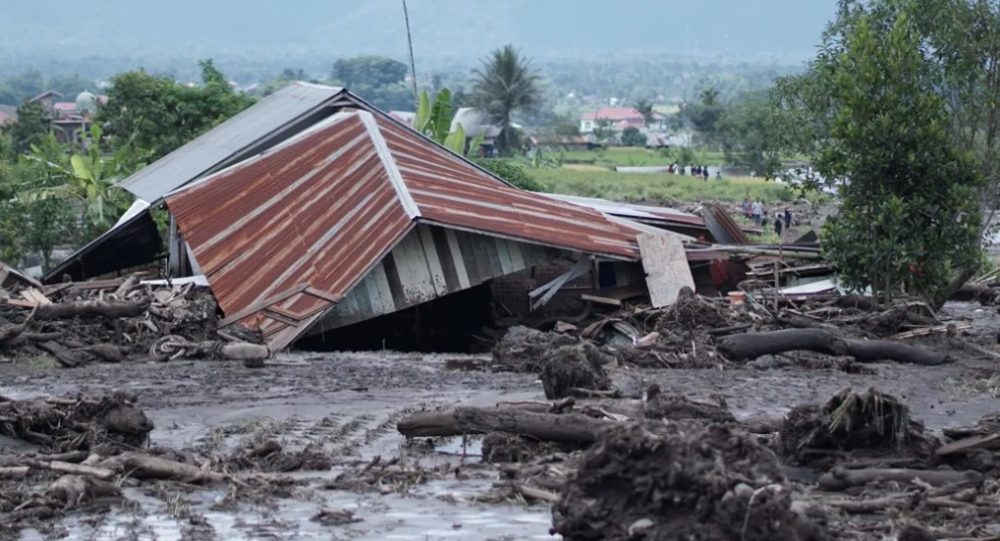
The Indonesian Ministry of Culture has announced a comprehensive emergency plan to safeguard the historical heritage of Sumatra, allocating an initial budget of approximately 11 billion rupiah (US$659,000). This initiative comes in response to the extensive damage inflicted on cultural and heritage sites by the recent devastating floods and landslides.
rescue plan and government action
Indonesian Culture Minister Fadli Zon stated that the ministry is working diligently to assess the damage in the affected areas, specifically in the provinces of Aceh, North Sumatra, and West Sumatra. The minister explained that the heavy rains that began in late November caused widespread natural disasters, making access to some isolated areas a significant logistical challenge for assessment and rescue teams.
Official data indicated a worrying increase in the number of affected sites, as the number rose from 43 sites at the beginning of the crisis to 70, before exceeding the 100 mark for heritage sites, which calls for urgent intervention to prevent the disappearance of these historical landmarks.
Geographical context and cultural significance of Sumatra
These efforts are particularly important given the strategic and cultural significance of Sumatra. While Indonesia, situated within the Pacific Ring of Fire, faces ongoing challenges from natural disasters, Sumatra, in particular, is a cradle of ancient civilizations and cultures. The island boasts a unique blend of traditional architecture and religious and historical sites that reflect the cultural diversity of the Indonesian archipelago. Therefore, damage to these sites represents not only a material loss but also threatens to erase a part of the region's national memory and human heritage.
Restoration and community engagement strategy
The actual cleanup and restoration work is scheduled to begin early next week. The ministry has adopted a participatory approach that relies on the involvement of local communities in the reconstruction efforts. This approach aims to strengthen social bonds during the crisis and provide temporary employment opportunities for affected residents, thus helping to revive the local economy, which has been severely impacted by the disaster.
The human cost of the disaster
These cultural efforts come amid a horrific human tragedy, as natural disasters that have struck the country since late November have left a trail of death. According to the latest figures released on Sunday, the death toll has risen to 1,090, while 186 people remain missing, making these floods one of the deadliest disasters in Indonesia's modern history and presenting the government with the dual challenge of providing relief to the living and protecting ancestral heritage.