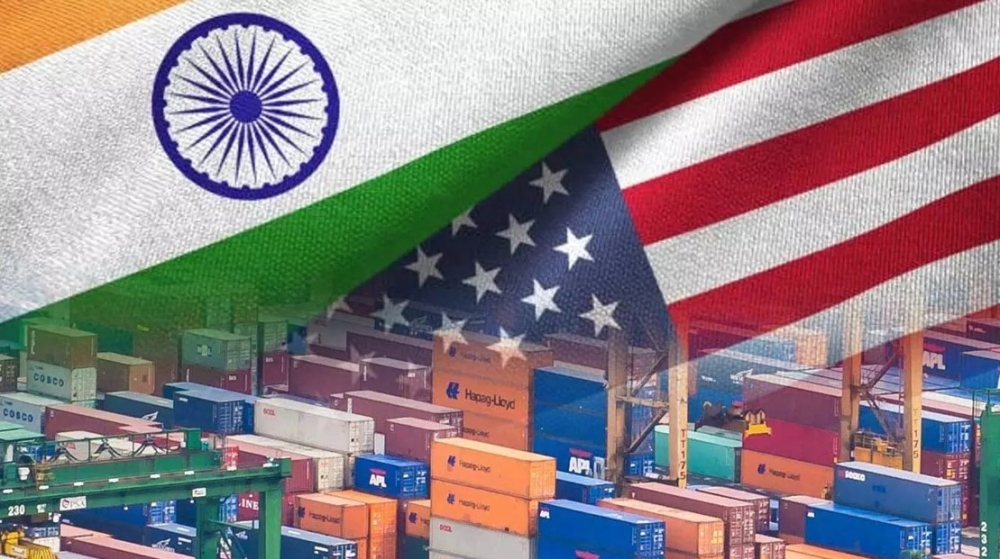
Tensions are rising in India as thousands of farmers prepare to stage mass protests against a looming trade deal between New Delhi and Washington. The farmers are deeply concerned that the agreement could open the floodgates to subsidized US agricultural imports, threatening their livelihoods and harming the domestic agricultural sector, on which more than half of India's population depends.
Historical background and context of the protests
These protests are reminiscent of the historic demonstrations that swept India between 2020 and 2021, when hundreds of thousands of farmers camped out on the outskirts of New Delhi for a full year. Those protests were directed against three agricultural bills passed by Prime Minister Narendra Modi's government, which farmers saw as an attempt to dismantle the Minimum Subsidy Price (MSP) system and leave them at the mercy of large corporations. Although the government was eventually forced to repeal the bills, distrust remains, and any move toward liberalizing the agricultural market is met with a strong and immediate backlash from the politically influential farmers' unions.
The importance of the event and its expected impact
Domestically, farmers represent a formidable voting bloc that cannot be ignored, particularly in key agricultural states like Punjab and Haryana. Angering this large segment of the population could have serious political repercussions for the Modi government. Economically, protesters fear that reducing tariffs on products such as dairy, poultry, and soybeans will flood the market with cheaper American goods, making it impossible for small Indian farmers to compete. There is also particular concern about allowing the import of genetically modified products, a highly controversial issue in India.
Regional and international dimensions
From an international perspective, the trade agreement is seen as a step toward strengthening the strategic partnership between India and the United States, particularly in the context of counterbalancing Chinese influence in the Indo-Pacific region. However, these protests highlight the challenge New Delhi faces in balancing its geopolitical objectives with its domestic economic interests. The Indian government has attempted to reassure farmers, with Commerce Minister Piyush Goyal stating that sensitive agricultural sectors would not be part of the negotiations. But these statements have failed to quell concerns, as farmers are demanding clear guarantees and full transparency regarding the terms of the agreement before proceeding, asserting their readiness to paralyze the capital again if necessary.