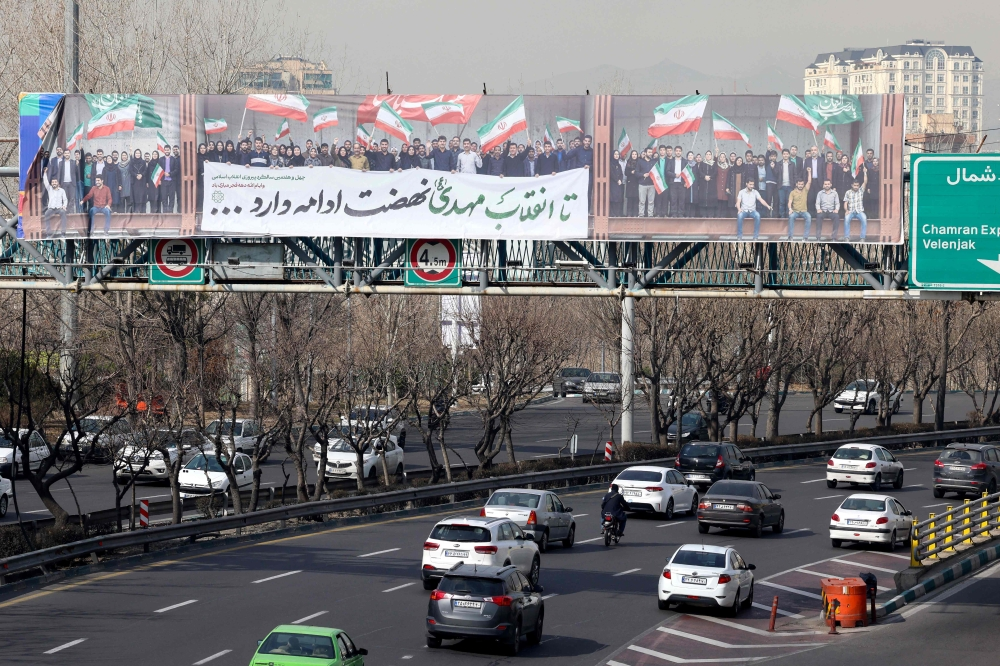
In a move reflecting growing concern over the deteriorating security situation in the Middle East, the Indian Ministry of External Affairs, through its embassy in Tehran, issued an urgent warning urging all Indian nationals residing in Iran to leave as soon as possible. This precautionary measure comes amid escalating fears of a potential military confrontation, particularly given the rising tensions between Iran and the United States.
The Indian Embassy in Tehran issued a statement through its official channels, saying: “Due to the evolving situation in Iran, all Indian nationals currently residing there are advised to leave using available means of transport, including commercial flights.” The embassy also urged its citizens, estimated at around 10,000, to exercise extreme caution, avoid gatherings and protests, and remain in constant contact with the diplomatic mission to stay informed of any new developments.
The context and background of regional tensions
This warning did not come out of thin air; rather, it is a direct result of the accumulation of tensions in the region over the past years. Since the United States withdrew from the Iran nuclear deal (the Joint Comprehensive Plan of Action) in 2018 and reimposed crippling economic sanctions on Tehran, relations between the two countries have been on a collision course. The situation has been exacerbated by a series of security incidents, including attacks on oil tankers in the Gulf, the downing of drones, and attacks on military bases housing US forces in the region, raising the level of risk to unprecedented levels and making the possibility of direct conflict a real threat.
The importance of the Indian move and its potential effects
This call is particularly significant given India's substantial strategic and economic interests in the region. Beyond a large Indian community, New Delhi and Tehran share historical ties and vital projects, most notably the development of Chabahar port , which serves as India's gateway to Afghanistan and Central Asia, bypassing Pakistan. Any military escalation in the region would not only threaten the safety of Indian nationals but also jeopardize these strategic interests and could negatively impact India's energy security, as it is one of the world's largest oil importers.
Internationally, India's warning is seen as a further indication of the gravity of the situation, as India joins other countries that have expressed concern or taken similar measures. Any conflict in this vital region would inevitably disrupt global energy markets, threaten navigation in the Strait of Hormuz through which a fifth of the world's oil supply passes, and destabilize the entire Middle East, with economic and security repercussions for the whole world.