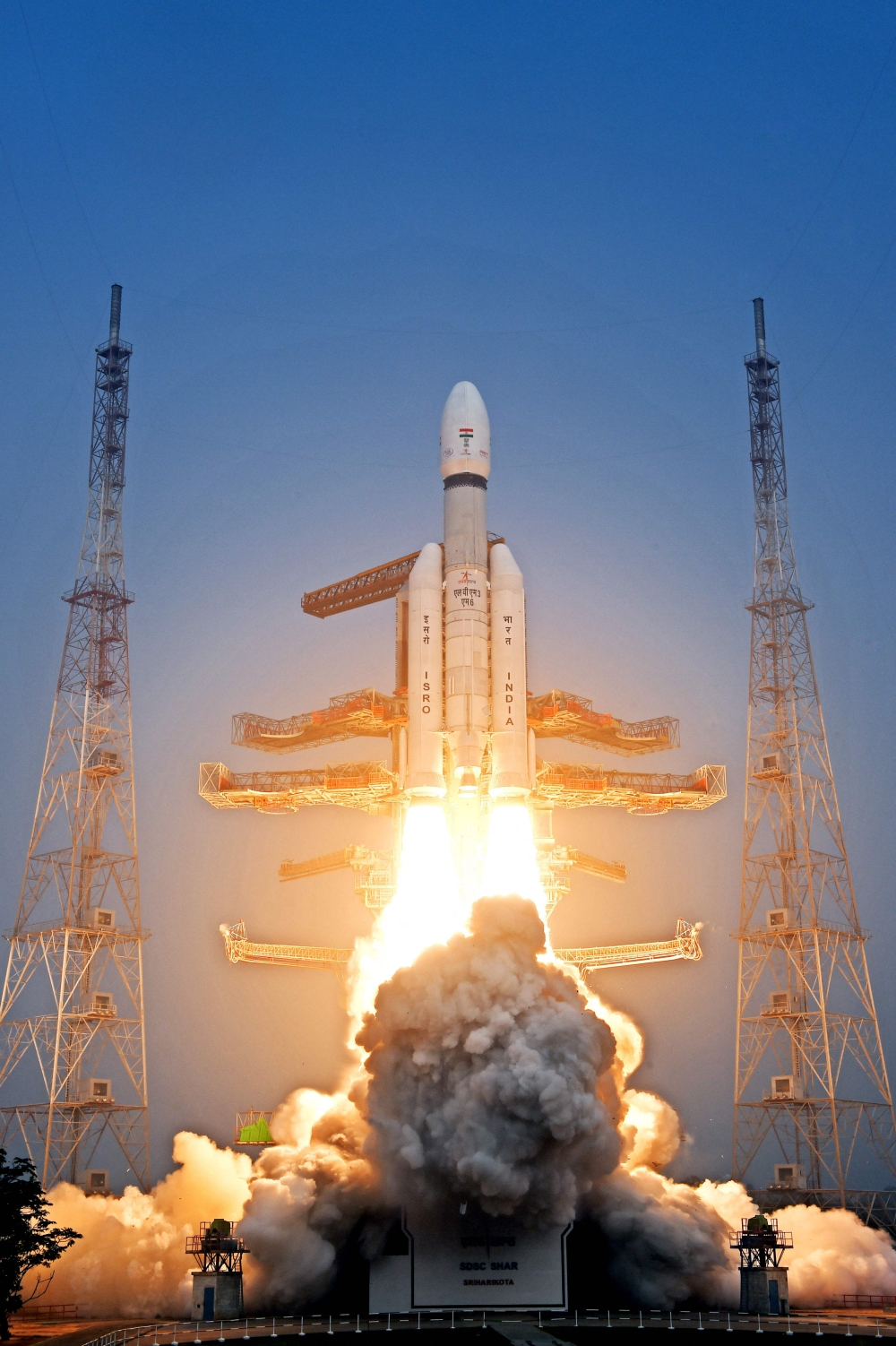
أعلنت وكالة الفضاء الهندية (ISRO)، يوم الاثنين، عن فشل مهمتها الفضائية الأخيرة المتمثلة في وضع قمر اصطناعي متطور لرصد الأرض، بالإضافة إلى 15 مركبة فضائية صغيرة أخرى، في مداراتها المحددة. وجاء هذا الإعلان بعد تعرض الصاروخ الحامل للأقمار لخلل فني مفاجئ حال دون إكمال المهمة بنجاح، مما يمثل تحدياً جديداً لطموحات نيودلهي المتنامية في قطاع الفضاء.
تفاصيل الخلل الفني في مهمة PSLV-C62
أوضحت الوكالة في بيان رسمي عبر منصة "إكس" أن المهمة التي حملت الرمز "بي اس ال في-سي62" (PSLV-C62) واجهت خللاً تقنياً حرجاً في نهاية مرحلة تشغيل الطبقة الثالثة من الصاروخ. وأكدت الوكالة أنه يجري حالياً إجراء تحليل مفصل للبيانات لفهم الأسباب الدقيقة التي أدت إلى هذا الانحراف، وتحديد مصير الأقمار الاصطناعية التي كانت على متن الصاروخ، والتي يُرجح فقدانها.
وكان الصاروخ "بي اس ال في"، المكون من أربع مراحل، قد انطلق في رحلته الرابعة والستين عند الساعة 10:18 صباحاً بالتوقيت المحلي (04:48 بتوقيت غرينتش) من مركز ساتيش داوان الفضائي في جزيرة سري هريكوتا الواقعة جنوب شرق الهند. وفي تصريح للتلفزيون الوطني، قال رئيس وكالة الفضاء الهندية، في. نارايانان: "أدى الصاروخ مهامه كما كان متوقعاً حتى نهاية تشغيل الطبقة الثالثة، ولكن رصدنا اضطرابات وانحرف الصاروخ عن مساره المحدد بعد ذلك مباشرة".
سجل حافل وتحديات مستمرة
يُعتبر صاروخ "PSLV" (مركبة إطلاق الأقمار الصناعية القطبية) بمثابة "حصان العمل" لبرنامج الفضاء الهندي، حيث اشتهر بموثوقيته العالية على مدى عقود، وكان العمود الفقري للعديد من المهمات الناجحة، بما في ذلك إطلاق مسبار المريخ ومهمات القمر الأولى. ومع ذلك، فإن هذا الفشل يأتي بعد حادثة مشابهة في 18 مايو، حيث فشل صاروخ من النوع نفسه في وضع قمر لرصد الأرض في المدار، مما يطرح تساؤلات حول الحاجة لمراجعة إجراءات الجودة والسلامة في المهمات الحالية.
التأثير على الطموحات الفضائية الهندية
على الرغم من هذه الكبوة، تظل الهند لاعباً رئيسياً في سباق الفضاء العالمي، حيث تميزت بتحقيق إنجازات كبرى بتكلفة منخفضة مقارنة بالقوى الغربية. فقد نجحت الهند في وضع مسبار في مدار حول المريخ عام 2014، وحققت إنجازاً تاريخياً بإنزال مركبة جوالة على القطب الجنوبي للقمر عام 2023 ضمن مهمة "تشاندريان-3".
وتسعى الهند للحفاظ على مكانتها كوجهة مفضلة لإطلاق الأقمار الاصطناعية التجارية بفضل أسعارها التنافسية. ومن المتوقع ألا يوقف هذا الحادث البرنامج الطموح الذي أعلنه رئيس الوزراء ناريندرا مودي، والذي يهدف إلى إرسال رائد فضاء هندي إلى المدار بشكل مستقل بحلول عام 2027، والوصول برائد فضاء هندي إلى سطح القمر بحلول عام 2040. وتعتبر هذه الحوادث جزءاً طبيعياً من المخاطر المرتبطة بصناعة الفضاء المعقدة، والتي تتطلب دائماً التعلم من الأخطاء لتطوير أنظمة أكثر أماناً وكفاءة.