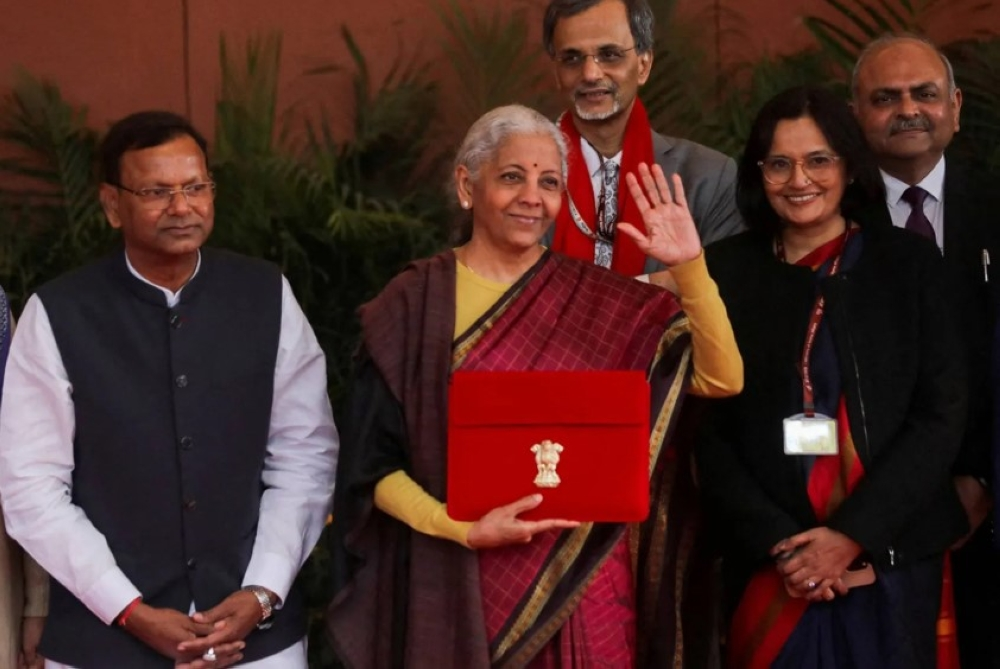
The Indian government, led by Prime Minister Narendra Modi, has unveiled its new budget, which includes a significant increase in spending on defense and infrastructure. This move is part of a dual strategy aimed at stimulating rapid economic growth on the one hand, and strengthening the country's military capabilities in the face of escalating geopolitical challenges in the region on the other.
General context and historical background
This budget comes at a time when India is experiencing strong economic growth, making it one of the fastest-growing major economies in the world. However, this growth coincides with a complex regional environment. Since the border clashes with China in the Galwan Valley in 2020, tensions have persisted along the Line of Actual Control, prompting New Delhi to accelerate the modernization of its armed forces. Furthermore, relations with Pakistan remain historically strained, requiring India to maintain a high level of military readiness on its western border. Domestically, the government is striving to achieve its goal of making India a “developed country” (Viksit Bharat) by 2047, and infrastructure investment is considered the cornerstone of this objective.
Increased military spending to meet challenges
According to budget documents, India has increased its defense spending by nearly 15% to approximately US$85 billion. This substantial increase is primarily directed towards modernizing the military equipment of the Army, Navy, and Air Force, with a focus on acquiring advanced technologies such as modern fighter jets, submarines, and missile defense systems. This increase also reflects the government's commitment to the "Make in India" initiative, which aims to reduce reliance on arms imports and promote domestic production, thereby creating jobs and strengthening the country's defense industrial base.
Driving the economy through infrastructure
On the economic front, the budget allocated approximately $133 billion for infrastructure investment, a significant increase from the previous year. These investments target mega-projects in the transportation sector, including the development of high-speed rail networks, the expansion of highways, and the modernization of airports and seaports. Additionally, the plan focuses on strengthening digital infrastructure and supporting future-oriented industries such as artificial intelligence, semiconductor manufacturing, and data centers, which are considered essential for enhancing the competitiveness of the Indian economy on the global stage.
Importance and expected impact
This budget has multifaceted implications. Domestically , the massive infrastructure spending is expected to create millions of jobs and improve the quality of life for citizens. Regionally , the increased military spending sends a clear message to regional rivals and underscores India’s role as a key stabilizing force in the Indo-Pacific region. Internationally , these moves make India a more important strategic partner for global powers and enhance its appeal as a major investment market, particularly in the defense and technology sectors. However, the government’s biggest challenge remains balancing increased spending with maintaining fiscal discipline, as it aims to reduce the fiscal deficit to 4.3% of GDP.