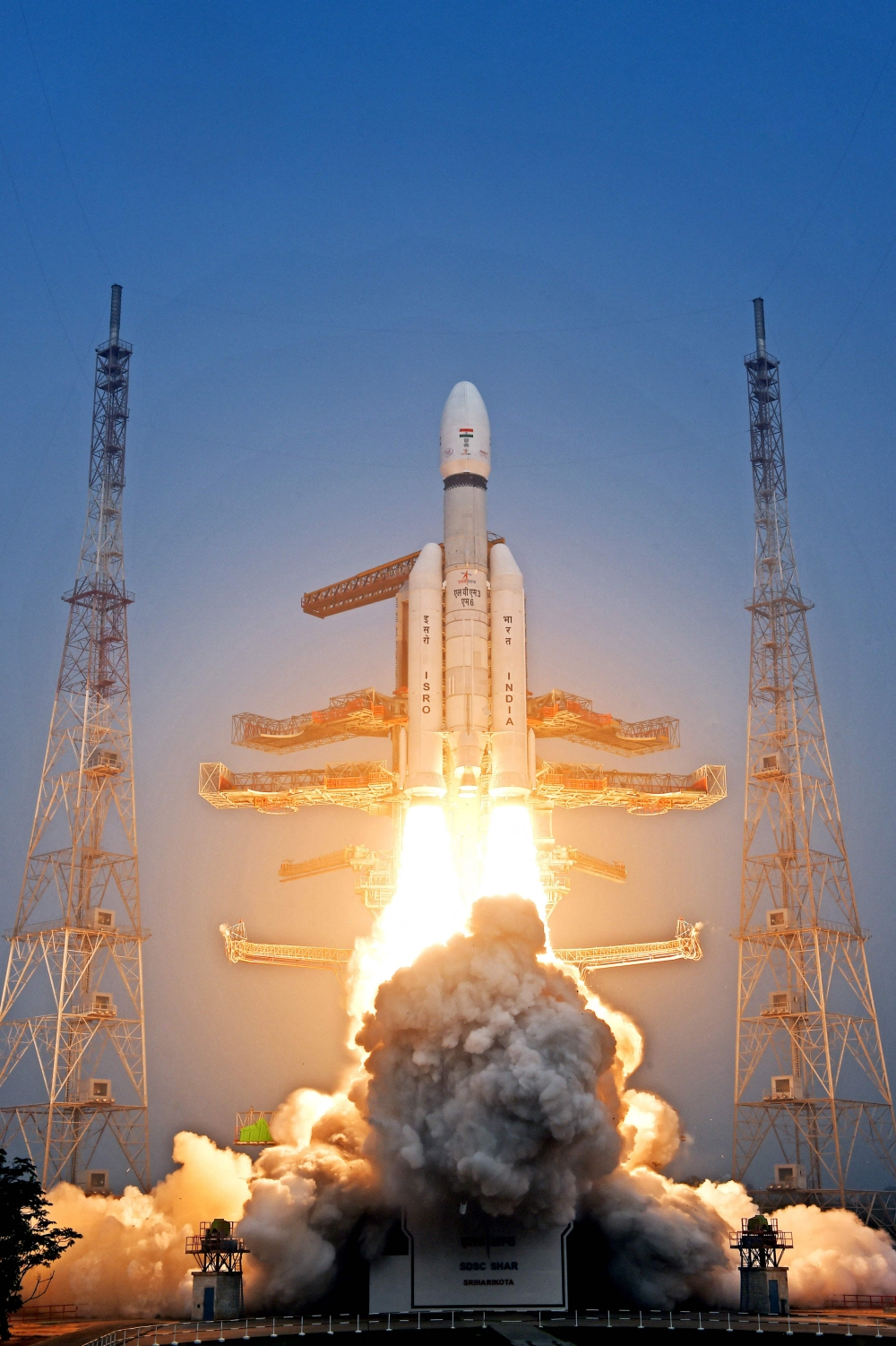
في خطوة استراتيجية تعزز مكانتها كقوة صاعدة في مجال استكشاف الفضاء، نجحت وكالة الفضاء الهندية (ISRO) في وضع أثقل قمر صناعي لها في مداره، يوم الأربعاء، مسجلة بذلك إنجازاً تقنياً جديداً للدولة الأكثر اكتظاظاً بالسكان في العالم. وقد أشاد رئيس الوزراء الهندي، ناريندرا مودي، بهذا الحدث واصفاً إياه بأنه "خطوة مهمة إلى الأمام" تعكس التطور المتسارع لقطاع الفضاء الهندي وقدرته على المنافسة عالمياً.
تفاصيل المهمة والقدرات الصاروخية
أعلنت المنظمة الهندية لأبحاث الفضاء (ISRO) أن المهمة تضمنت إطلاق قمر الاتصالات AST SpaceMobile، الذي يزن 6.1 طن، إلى مدار أرضي منخفض. وقد تم تنفيذ هذه العملية المعقدة بواسطة صاروخ LVM3-M6، الذي يُعد أقوى صاروخ في الترسانة الهندية، حاملاً بذلك "أثقل حمولة تم إطلاقها من الأراضي الهندية" حتى الآن. ويؤكد هذا النجاح كفاءة الصواريخ الهندية الثقيلة وموثوقيتها في تنفيذ المهمات التجارية المعقدة.
سياق تاريخي وريادة هندية
لا يأتي هذا الإنجاز من فراغ، بل هو تتويج لعقود من العمل الدؤوب والتطوير المستمر في برنامج الفضاء الهندي. فقد طورت الهند قطاعها الفضائي بسرعة مذهلة خلال العقد الأخير، محققة إنجازات تضاهي تلك التي حققتها القوى العظمى مثل الولايات المتحدة وروسيا والصين، ولكن بتكاليف أقل بكثير. ومن أبرز هذه المحطات التاريخية نجاح الهند في أغسطس 2023 في إرسال مركبة فضائية غير مأهولة للهبوط بنجاح على القطب الجنوبي للقمر ضمن مهمة "تشاندريان-3"، مما جعلها رابع دولة في العالم تحقق هبوطاً سلساً على سطح القمر.
التأثير الاقتصادي والمنافسة العالمية
يحمل هذا الإطلاق دلالات اقتصادية واستراتيجية عميقة؛ حيث صرح مودي بأن هذا النجاح "يعزز قدرة الهند على إطلاق الصواريخ الثقيلة ودورنا المتنامي في السوق التجاري لهذا القطاع". وتسعى الهند من خلال ذراعها التجاري "نيو سبيس إنديا ليمتد" (NSIL) إلى الاستحواذ على حصة أكبر من سوق إطلاق الأقمار الصناعية العالمي، مستفيدة من ميزتها التنافسية المتمثلة في انخفاض التكلفة مقارنة بالشركات الغربية. ويُظهر إطلاق قمر بوزن 6.1 طن أن الهند باتت قادرة على تلبية احتياجات العملاء الدوليين الذين يبحثون عن حلول فعالة لإطلاق حمولات ثقيلة.
طموحات مستقبلية بلا حدود
يأتي هذا الإطلاق في وقت ترفع فيه الهند سقف طموحاتها الفضائية؛ حيث تخطط البلاد للقيام بأول رحلة فضائية مأهولة ضمن برنامج "غاغانيان" بحلول عام 2027، بالإضافة إلى هدف طموح لإرسال رائد فضاء هندي إلى سطح القمر بحلول عام 2040. وكانت الوكالة قد أطلقت في بداية نوفمبر قمراً صناعياً آخر للاتصالات (CMS-03) بوزن 4.4 طن، مما يؤكد استمرارية وكثافة الجدول الزمني للمهمات الفضائية الهندية وسعيها الحثيث لترسيخ أقدامها كلاعب رئيسي في نادي الفضاء الدولي.