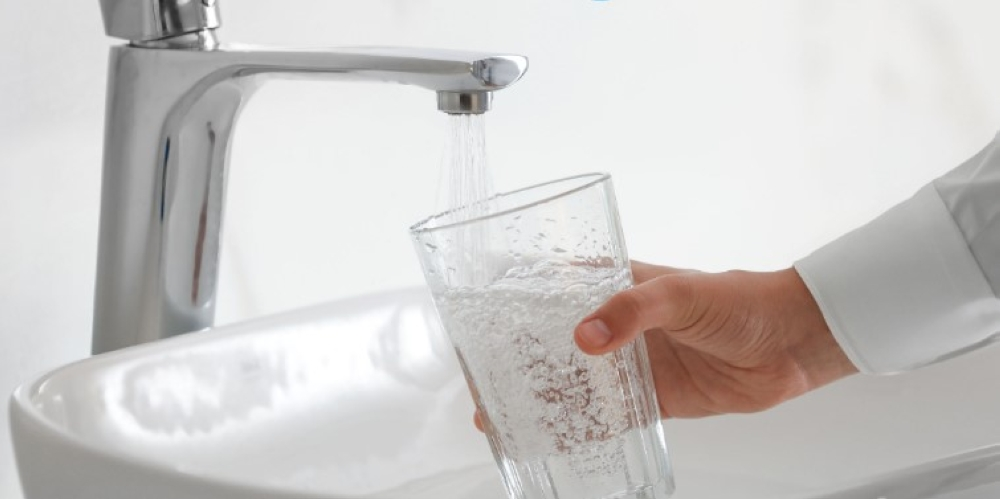
A sudden health crisis has struck the city of Indore in the central Indian state of Madhya Pradesh, with local authorities reporting nine deaths and over 200 cases of severe illness due to contaminated drinking water. The incident has sparked widespread concern, particularly given the city's reputation for cleanliness.
Details of the incident and initial investigations
In a press statement, the city's chief medical officer, Dr. Madhav Prasad Hasani, explained that the disaster was centered in the Bhajiratpur area, where initial laboratory tests confirmed bacterial contamination of the water network. Hasani indicated that investigations revealed a leak in the main pipeline, allowing sewage or other external pollutants to mix with the drinking water supply, and confirmed the presence of harmful bacteria within the pipes.
The medical official added that hospitals have received hundreds of cases suffering from symptoms of poisoning and intestinal problems, with more than 200 people undergoing intensive treatment, while authorities are still waiting for the final report of the samples to accurately determine the type of bacteria and to determine the final number of deaths.
Authorities' response and emergency measures
For his part, the district's administrative official, Shravan Verma, confirmed that emergency teams responded immediately upon receiving the reports, identifying and repairing the source of the leak. Authorities launched a comprehensive field survey, examining 8,571 people so far, with 338 cases identified as having mild symptoms. As a precautionary measure, medical teams distributed chlorine tablets to residents of the affected areas to ensure water disinfection before use, while also intensifying public awareness campaigns emphasizing the importance of boiling water.
Endor: The "cleanest city" paradox
This incident takes on a special and controversial dimension given Indore's prominent position in India. The city has been renowned for eight consecutive years, consistently ranking as "the cleanest city in India" in the Swash Surveillance National Cleanliness Survey. This raises serious questions about the discrepancy between the city's apparent cleanliness and solid waste management, and the state of its underground water and sewage infrastructure, which may be outdated or poorly maintained in some older neighborhoods.
Water infrastructure challenges in India
This incident highlights broader challenges facing major Indian cities amid rapid urbanization. Despite economic development, many areas still suffer from the intermingling of aging water lines with sewage systems, increasing the risk of outbreaks of waterborne diseases such as cholera, typhoid, and hepatitis. Safe drinking water is a top public health priority in India, with central and local governments continuously striving to modernize aging networks to prevent the recurrence of such disasters that directly impact citizens' lives.