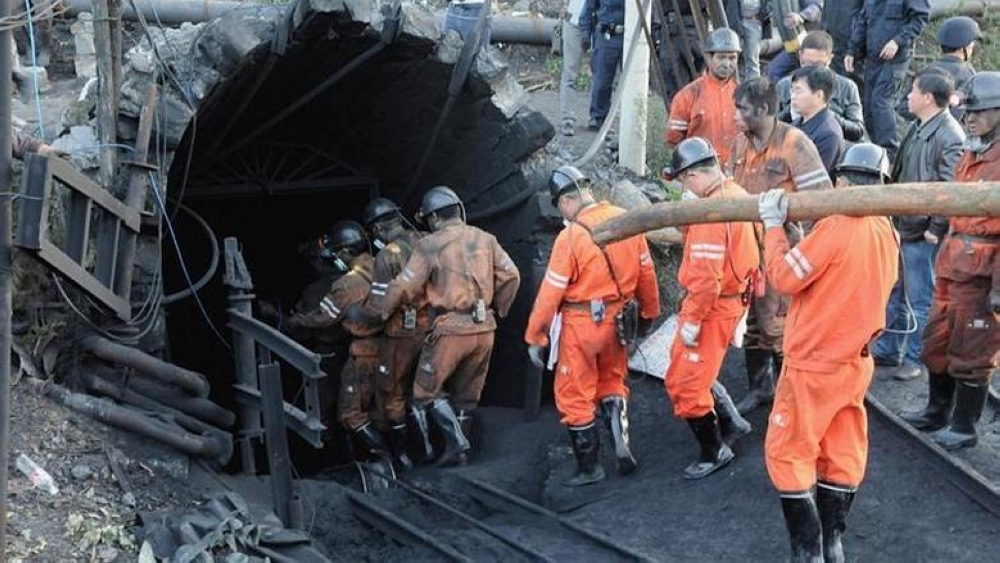
At least 18 miners were killed on Thursday in a tragic incident highlighting the dangers of unregulated mining in India, following an explosion at an illegal coal mine in the northeastern state of Meghalaya. The accident occurred in the East Jaintia Hills area, known for its widespread and hazardous mining operations.
Immediately after the accident, rescue and ambulance teams rushed to the site to search for possible survivors or those trapped in the rubble, amid fears that the death toll could rise. The state's chief minister, Konrad Sangma, announced an immediate and thorough investigation into the circumstances of the explosion, vowing to hold accountable those responsible for the illegal operation of the mine and the negligence that led to this human tragedy.
Background of unregulated mining in Meghalaya
These illegal mines in India are known as "rat-hole mining." They consist of narrow vertical shafts cut into the earth, branching off into extremely narrow horizontal tunnels, often less than a meter high. Workers crawl inside these tunnels to extract coal using rudimentary tools. These sites lack even the most basic safety standards, with no ventilation systems, structural supports to prevent collapses, or equipment to protect against leaks of toxic and flammable gases like methane, making them veritable death traps for the workers.
The importance and expected impact of the incident
Although India’s National Green Tribunal issued a ruling in 2014 banning this type of mining in Meghalaya state due to its devastating environmental impacts, such as water pollution and significant risks to workers’ lives, these activities continue on a large scale. The persistence of this phenomenon is due to a complex set of factors, most notably extreme poverty that forces local residents to work in these deadly conditions, coupled with weak government oversight and the control exerted by influential figures over this lucrative sector.
This tragic incident brings to mind previous disasters, most notably the 2018 incident when 15 miners were trapped inside a similar flooded mine in the same area, in a complex rescue operation that lasted for weeks. This explosion is expected to generate increasing political and public pressure on local and federal authorities to tighten regulations and strictly enforce the ban, and it also highlights the urgent need to find sustainable economic alternatives for local communities to end their dependence on this deadly profession.