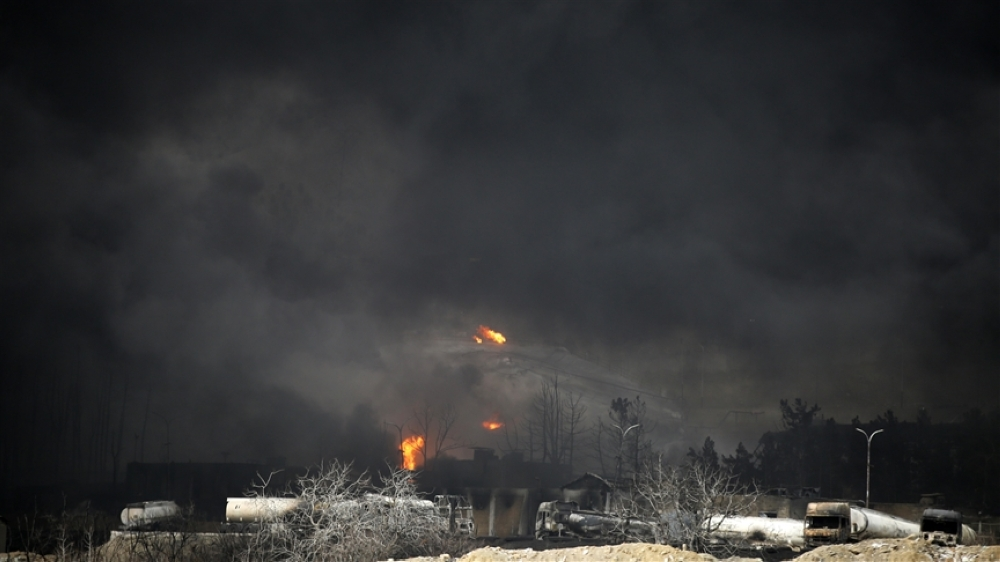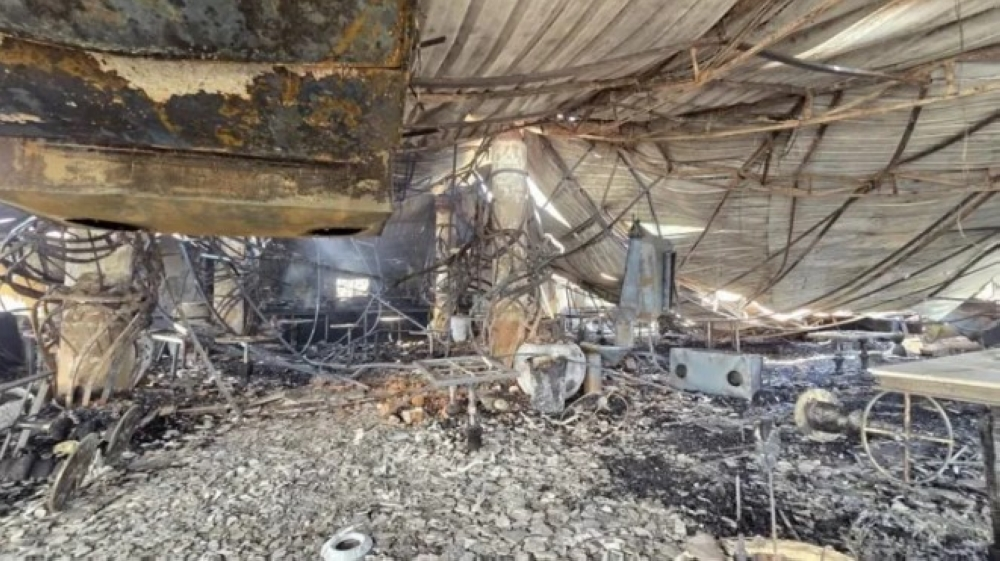
The tourist city of Goa in India witnessed a horrific human tragedy, as Indian authorities announced today the death of at least 25 people, including a number of foreign and local tourists, following a massive fire that broke out in a famous building located in the village of Arpora.
Details of the accident and its initial causes
Indian police stated in an official statement that initial investigations indicate the fire was caused by a gas cylinder explosion inside the building, which led to the rapid spread of flames and trapped those inside. Fire and rescue teams rushed to the scene to try to control the blaze and evacuate the victims, but the intensity and speed of the fire contributed to the high death toll.
Goa: The jewel of Indian tourism
This incident is particularly significant given its location; Goa, on India's west coast, is one of the country's and Asia's premier tourist destinations. Known for its stunning beaches, historical sites dating back to the Portuguese colonial era, and vibrant nightlife, Goa attracts hundreds of thousands of foreign and domestic tourists annually. The Arpora district, in particular, is a bustling hub with numerous night markets and resorts, which explains why some of the victims were tourists.
Fire incident log and safety standards
This incident has once again brought public safety issues to the forefront in India, where fires in residential and commercial buildings are frequent. Experts often attribute these incidents to lax enforcement of fire safety standards, outdated infrastructure in some areas, and overcrowding and poor urban planning, which can hinder the timely arrival of ambulances and fire trucks. Indian authorities face ongoing challenges in enforcing strict fire prevention regulations, particularly in areas heavily frequented by tourists.
Expected impact on tourism
This incident is expected to raise concerns about safety procedures at tourist facilities in India. It may prompt local and federal authorities to take immediate action to review the licenses of buildings and hotels in tourist areas to ensure that such disasters, which could negatively impact the country's tourism reputation at a time when it is striving to attract more visitors after periods of global recession, are not repeated.