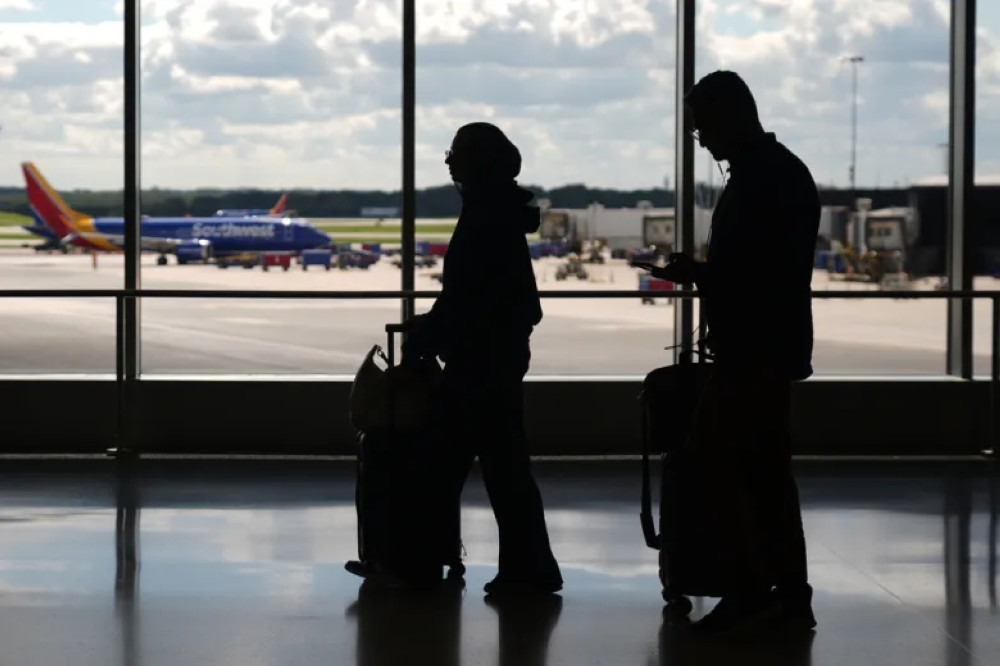
Indian airports were in chaos for the third consecutive day, with nearly 1,000 flights canceled, leaving thousands of passengers stranded in airport terminals. The escalating crisis stems from a severe shortage of available pilots, coinciding with the implementation of controversial new operating rules within one of the country's largest airlines.
Details of the operational crisis
The sudden shortage of flight crews brought flight schedules to a near standstill, leaving passengers stranded with no immediate alternatives. The airline acknowledged a genuine "operational crisis," stating in its official announcements that it is working diligently with regulatory bodies to reschedule flights and bring the situation under control to return to normal operations as soon as possible.
Context of growth in the Indian aviation sector
To understand the depth of this crisis, one must consider the broader context of India’s aviation sector, currently the world’s third-largest and fastest-growing domestic aviation market. Recent years have witnessed a surge in aircraft orders by Indian carriers, with contracts signed for hundreds of Airbus and Boeing aircraft. However, this rapid fleet expansion has not been matched by a similar growth in human resource infrastructure, particularly in the number of qualified and trained pilots, creating a significant gap between supply and demand.
New aviation rules and their impact
These disruptions come at a time when the Indian Directorate General of Civil Aviation (DGCA) is attempting to enforce stricter standards regarding pilots' working hours and rest periods (FDTL) to ensure passenger safety and reduce stress-related incidents. While these rules are crucial for flight safety, their immediate implementation amidst staffing shortages has placed immense pressure on airlines' schedules, leading to the current wave of cancellations.
Economic and regional repercussions
The effects of this crisis extend beyond passenger delays to include tangible economic repercussions. The cancellation of so many flights is resulting in significant financial losses for airlines, as well as a temporary surge in ticket prices due to reduced supply. Regionally, this disruption is impacting travel in South Asia, given India's pivotal role as a transit hub for trade and business, potentially prompting investors and international travelers to reassess their options in light of the unstable schedules.