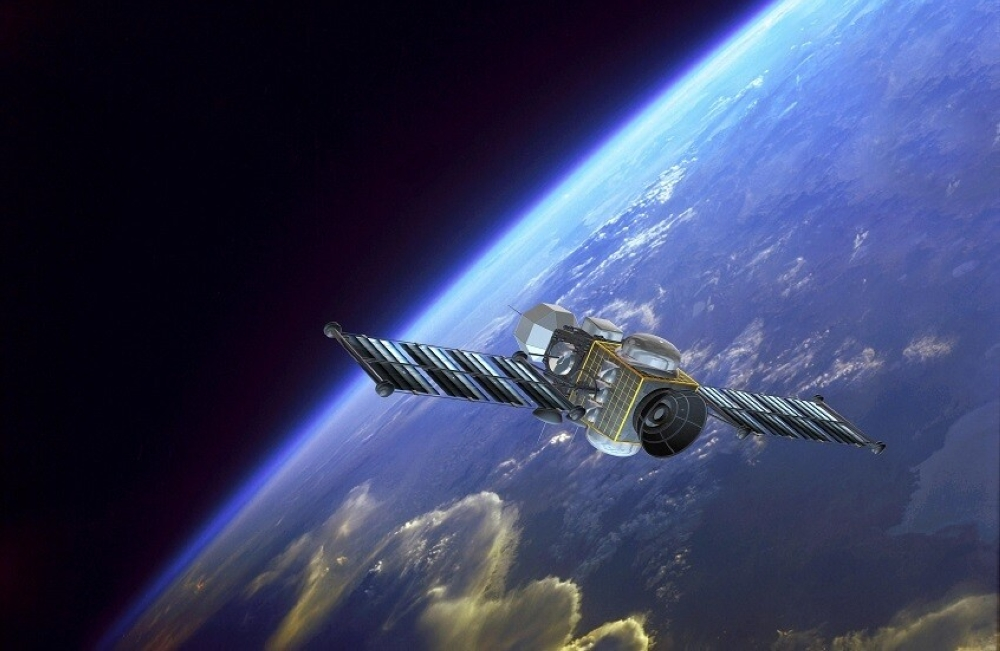
أعلنت منظمة أبحاث الفضاء الهندية (ISRO)، اليوم، عن فشل مهمتها الفضائية الأخيرة المتمثلة في وضع قمر اصطناعي متطور لرصد الأرض، بالإضافة إلى 15 مركبة فضائية صغيرة أخرى، في مداراتها المحددة. وجاء هذا الإعلان بعد تعرض الصاروخ الحامل للمركبات لخلل فني مفاجئ حال دون إكمال المهمة بنجاح.
تفاصيل الخلل الفني في مهمة PSLV-C62
أوضحت المنظمة في بيان رسمي نشرته عبر قنواتها الرقمية أن الصاروخ من طراز "PSLV-C62" واجه انحرافاً في الأداء ونقصاً في السرعة المطلوبة في نهاية مرحلة تشغيل الطبقة الثالثة. ورغم الانطلاق السلس في البداية من مركز "ساتيش داوان" الفضائي في جزيرة سري هريكوتا (جنوب شرق الهند) عند الساعة 10:18 صباحاً بالتوقيت المحلي، إلا أن البيانات الأولية أشارت إلى عدم استقرار الصاروخ في المرحلة الحاسمة قبل الوصول إلى المدار، مما أدى إلى فقدان الحمولة.
تاريخ الصاروخ PSLV ومكانته الاستراتيجية
يُعتبر صاروخ "PSLV" (مركبة إطلاق الأقمار الاصطناعية القطبية) بمثابة "حصان العمل" لبرنامج الفضاء الهندي، حيث يعتمد عليه بشكل رئيسي في المهام الحيوية والتجارية. وقد انطلق الصاروخ في رحلته رقم 64 وهو يحمل آمالاً كبيرة لتعزيز قدرات الهند في مراقبة الأرض. تاريخياً، يتمتع هذا الطراز بسجل حافل من النجاحات التي وضعت الهند على خارطة الفضاء العالمية كلاعب رئيسي ومنافس قوي من حيث التكلفة والكفاءة، إلا أن هذا الفشل يمثل تذكيراً بالتحديات التقنية المعقدة التي تكتنف استكشاف الفضاء.
أهمية أقمار رصد الأرض وتأثير الفشل
يكتسب القمر الاصطناعي الذي فُقد في هذه المهمة أهمية استراتيجية وتنموية بالغة. فمجال "رصد الأرض" (Earth Observation) يعد ركيزة أساسية في التخطيط الحديث، حيث توفر هذه الأقمار بيانات دقيقة تستخدم في:
- الزراعة وإدارة الموارد المائية: مراقبة المحاصيل والتنبؤ بالجفاف.
- إدارة الكوارث: الرصد المبكر للأعاصير والفيضانات لتقليل الخسائر البشرية والمادية.
- الأمن القومي: مراقبة الحدود والتحركات الجغرافية بدقة عالية.
وبالتالي، فإن فقدان هذا القمر قد يحدث فجوة مؤقتة في تدفق البيانات الحديثة التي تعتمد عليها المؤسسات الهندية المختلفة.
التداعيات على سوق الفضاء التجاري
إلى جانب القمر الرئيسي، كانت المهمة تحمل 15 مركبة فضائية صغيرة، يرجح أن بعضها يعود لعملاء دوليين أو مؤسسات بحثية، مما يبرز الدور المتنامي للهند في سوق إطلاق الأقمار الاصطناعية التجاري. هذا التعثر قد يستدعي مراجعات فنية دقيقة لطمأنة الشركاء الدوليين وشركات التأمين حول موثوقية عمليات الإطلاق المستقبلية، خاصة وأن هذه هي المرة الثانية التي يواجه فيها هذا الطراز مشاكل فنية بعد حادثة سابقة أشير إليها في مايو 2025 تتعلق أيضاً بمحركات المرحلة الثالثة.
وتعكف فرق الخبراء في منظمة أبحاث الفضاء الهندية حالياً على تحليل بيانات القياس عن بُعد لتحديد السبب الجذري للخلل بدقة، لضمان عدم تكراره في المهام القادمة واستعادة الزخم لبرنامج الفضاء الوطني الطموح.