The Indian Meteorological Department issued urgent warnings on Thursday regarding the development of a deep low-pressure system in the Bay of Bengal, predicting it could intensify into a tropical cyclone within the next few hours. These warnings come amidst intense weather activity observed for the second consecutive day, putting local authorities and coastal residents on high alert.
Hurricane path and rainfall forecast
According to data released by the agency, the storm is currently moving northwest, crossing the southwestern Bay of Bengal and areas adjacent to Sri Lanka. The storm's speed this morning was recorded at approximately 17 kilometers per hour. Forecasts indicate a high probability that the cyclone will move towards the northern coast of Tamil Nadu state in the far south of the country within the next two days.
The meteorological department warned that this weather system would bring heavy to very heavy rainfall. It estimated that rainfall could range from 64 to 204 millimeters in just 24 hours, particularly in the northern parts of Tamil Nadu. This weather pattern is expected to continue until December 1st, with the peak rainfall anticipated on November 29th and 30th.
The Bay of Bengal: The epicenter of monsoon storms
The Bay of Bengal is one of the most active regions for tropical cyclone formation, particularly during the northeast monsoon season (October to December). This region holds special geographical and climatic significance, as the warm waters of the Bay contribute to the formation of low-pressure systems, transforming them into powerful cyclones that periodically strike the eastern coasts of India and Bangladesh.
Historically, Tamil Nadu and its capital Chennai have faced numerous cyclones that have caused significant material damage and infrastructure disruption. Therefore, any weather warnings issued at this time of year are taken very seriously by disaster management agencies, given the region's low-lying nature and susceptibility to rapid flooding.
Potential effects and preparations
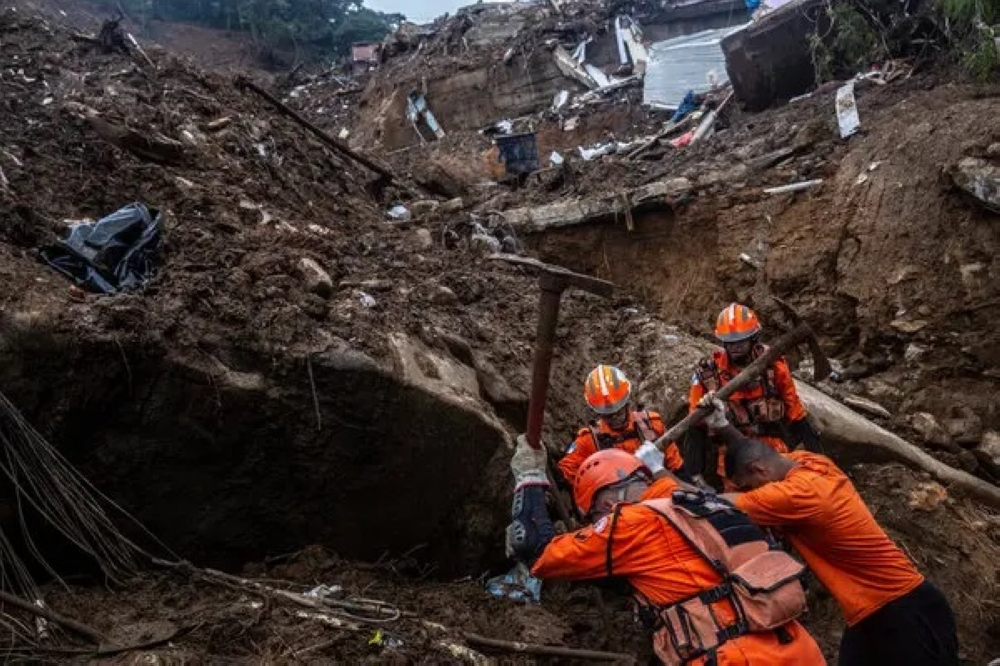
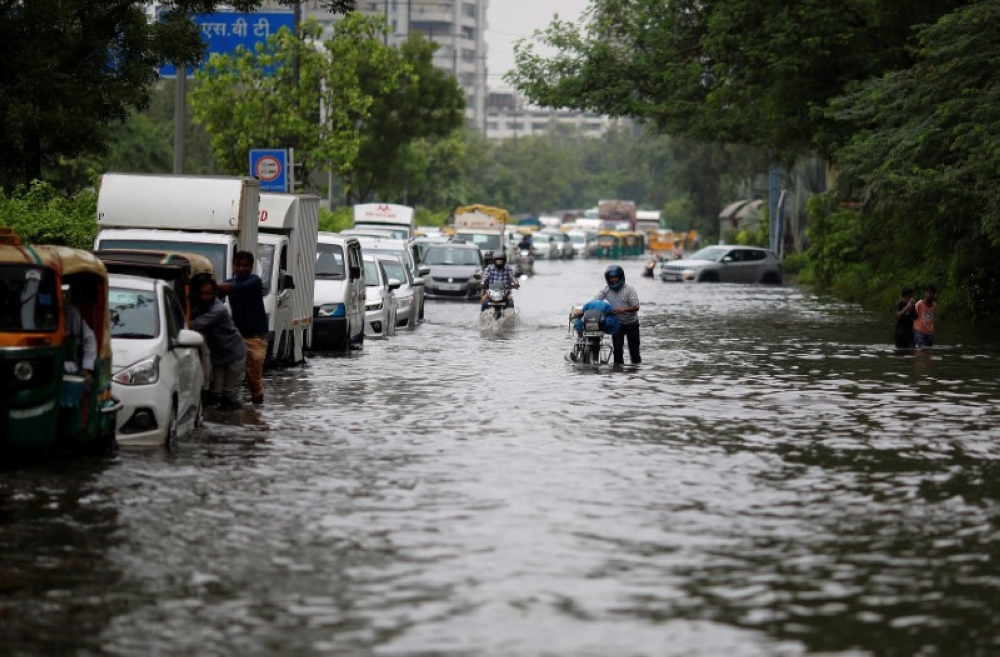
The risks posed by this impending cyclone extend beyond strong winds to include flooding and landslides in mountainous and hilly areas, as indicated in previous reports on the impact of heavy rainfall in the region. Such weather conditions typically lead to disruptions in transportation and power outages, either as a precautionary measure or as a result of the damage.
Regionally, the effects of this low-pressure system extend to neighboring Sri Lanka, which lies in the storm's path, necessitating coordinated monitoring of weather data among countries in the region. Authorities typically urge fishermen to stay ashore during these periods and advise residents in low-lying areas to take necessary precautions to ensure their safety until the storm subsides.