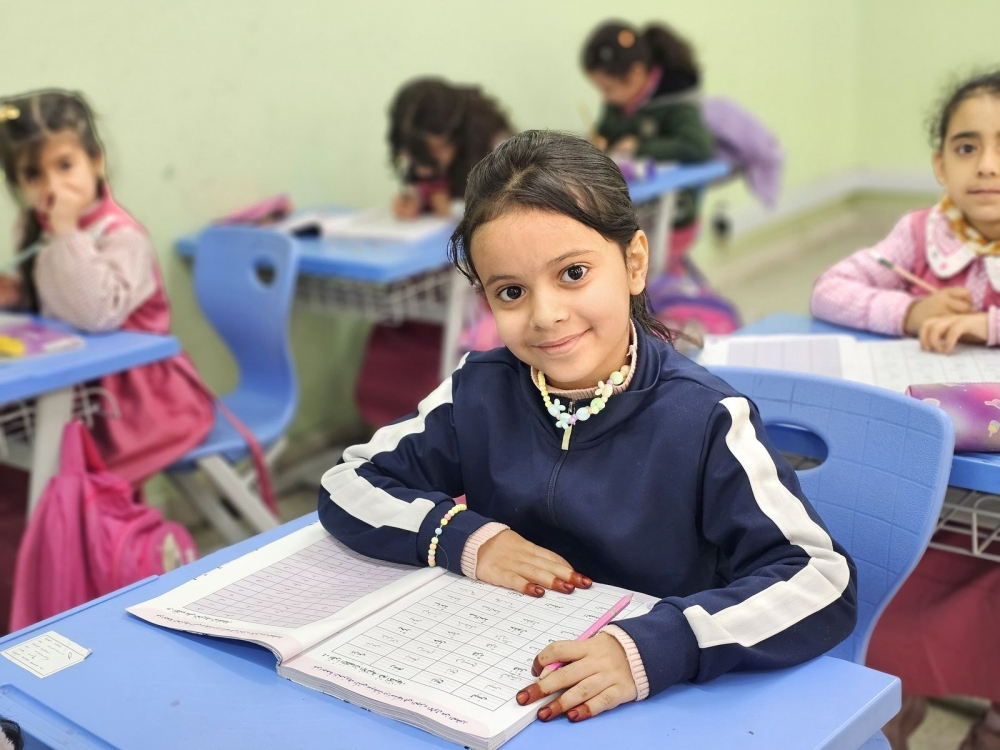
The Saudi Ministry of Education has officially and definitively announced the continuation of in-person classes in all public schools during the holy month of Ramadan for the current academic year, thus putting an end to the debate and rumors circulating on social media platforms regarding a possible shift to distance learning. In its statement, the Ministry emphasized that school discipline is a "red line" that cannot be compromised, stressing that the holy month presents an educational opportunity to reinforce the values of diligence and responsibility among students.
Background and historical context of the decision
This decision comes in the post-COVID-19 era, which forced the education system in the Kingdom and the world to rapidly shift towards distance learning as a strategic solution to ensure the continuity of the educational process. While this experience proved successful in maintaining academic continuity, it created expectations among some in society that it could be repeated under special circumstances, such as during Ramadan. However, the Ministry's current decision affirms a complete and firm return to the in-person learning model, which it considers fundamental to building students' character and developing their social and interactive skills—something that cannot be achieved with the same effectiveness through screens.
The educational and national importance of the decision
The Ministry of Education views the continuation of classes during Ramadan from a deeper perspective that goes beyond mere academic achievement. The decision aims to instill the concept that worship and work go hand in hand, and that fasting is an incentive for productivity, not an excuse for laziness. This approach aligns with the goals of the Kingdom's Vision 2030, which focuses on building a disciplined, productive generation capable of taking responsibility and contributing to comprehensive national development. Daily school attendance during Ramadan teaches students time management, patience, and commitment—essential life skills.
Strict guidelines for schools and close monitoring
The ministry did not simply announce the decision; it followed it with clear directives to school administrations emphasizing the need for full adherence to the approved study plans and schedules without any reductions. It also directed them to closely monitor absences and enforce the attendance and behavior regulations, while stressing the importance of developing motivating programs and activities to enhance the appeal of the school environment during the holy month. Furthermore, it emphasized the importance of effective and continuous communication with parents, who are considered essential partners in the success of this system, and urged them to encourage their children to attend school and obtain information from official and reliable sources.
Expected impact of the decision
Domestically, the decision is expected to contribute to raising the level of public discipline and reducing learning loss, thereby enhancing the quality of educational outcomes. Regionally, the Kingdom presents a model for balancing the demands of modern life with the preservation of religious and educational values, which may inspire other educational systems in the region. This decision concludes with a clear message that the school is the natural environment for education and upbringing, and that school discipline is a fundamental pillar for the success of any educational system striving for excellence and leadership.