The National Center for Plant Pest and Animal Disease Prevention and Control (Wiqa’) in Saudi Arabia has approved a set of strict requirements to regulate the import of olive seedlings and other seedlings that serve as primary hosts for the bacterium Xylella fastidiosa, from countries where previous infections have been recorded. This proactive step aims to strengthen the biosecurity system and protect the local agricultural sector from the risks of transboundary plant pests and diseases, while ensuring the application of the highest phytosanitary standards in accordance with approved regional and international regulations.
The historical context of the emergence of Xylella fastidiosa bacteria and its global impact
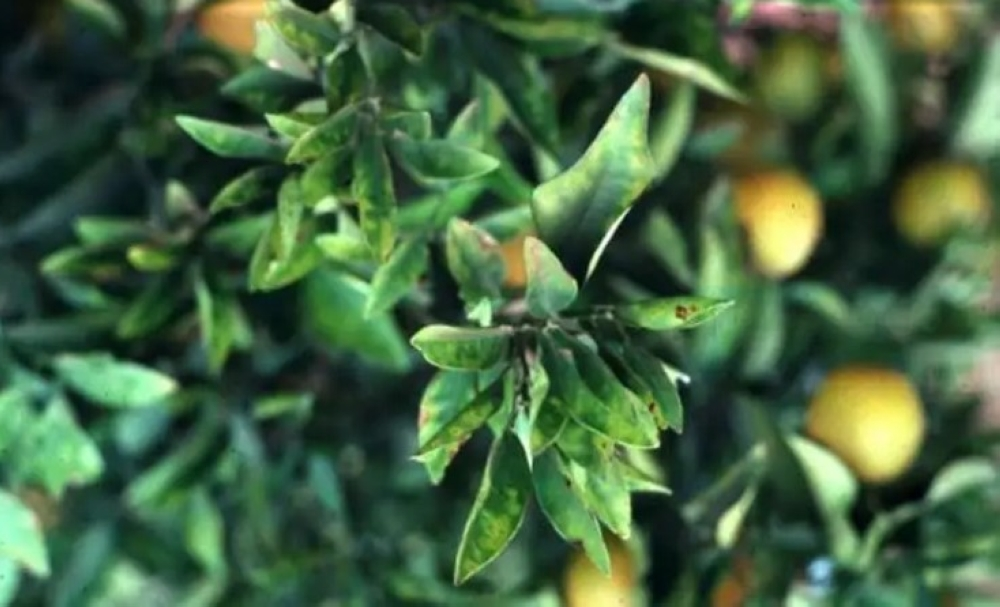
Xylella fastidiosa is one of the most dangerous plant pathogens worldwide. It colonizes the xylem (vascular tissue) of plants, causing blockages, drying out, and ultimately death. Historically, the devastating threat of this bacterium became particularly evident in 2013 when it swept through olive groves in the Puglia region of southern Italy, causing a phenomenon known as "rapid olive decline." This agricultural epidemic wiped out millions of mature trees and cost the European agricultural economy billions of euros. Since then, international agricultural organizations have mobilized to develop strict protocols to prevent the transmission of this bacterium through international seedling trade, given its rapid spread and the difficulty of eradicating it once established.
The strategic importance of regulating the import of olive seedlings locally and internationally
The decision to tighten controls on olive seedling imports of paramount importance both locally and regionally. Locally, Saudi Arabia boasts a promising agricultural sector, particularly in the Al-Jawf region, home to millions of olive trees and one of the largest olive oil-producing areas in the Middle East. The introduction of any destructive pest, such as the Xylella bacteria, could threaten this vital economic resource and national food security. Regionally and internationally, the Kingdom's commitment to implementing these requirements reflects its leading role in complying with the International Plant Protection Convention (IPPC), and contributes to limiting the movement of agricultural pests across borders. This enhances confidence in Saudi agricultural exports and protects neighboring countries from the risk of plant disease transmission.
Procedures for obtaining an import permit for nurseries and farms
The new regulations outline a set of essential requirements for obtaining a seedling import permit. These include fulfilling the conditions stipulated in the executive regulations of the Seeds, Seedlings, and Planting System. A purchase invoice specifying the scientific name of the requested plants must be attached, along with a separate import application for each exporting country, specifying the number and types of seedlings and the import region within the country of origin. The regulations also prohibit the import of seedlings derived from genetically modified mother plants or produced from genetically modified sources, in accordance with approved environmental and regulatory standards.
Regarding olive seedlings specifically, agricultural projects and farmers were permitted to import them for replacement or conversion to advanced farming systems, provided that this was within the same cultivated area and without any expansion into new areas. The regulations also granted the Ministry of Environment, Water and Agriculture the authority to suspend the import permit and prevent the entry of the shipment if bacterial infections were detected in the exporting country after the permit had been issued.
Phytosanitary requirements in the exporting country
The regulations stipulate that imported seedlings must originate from nurseries accredited by the National Plant Protection Organization in the exporting country, and must be accompanied by a certificate of being free from bacteria and official monitoring reports. The nurseries must be located in areas declared free of infection in countries where the bacteria have been detected. The regulations also require the submission of the accredited nursery's records, along with detailed information on the production location, the varieties produced, the propagation method, the components of the growing medium, the sources of propagation materials, the approved phytosanitary measures, the seedling certification process, and the official monitoring system.
Seedling specifications and required documents upon arrival
The regulations stipulate that seedlings must bear approved identification tags containing information on the nursery where they were grown, the variety, the parent plant, the grafting method, the grade, the year of inspection, the name of the producing nursery, the country of origin, and the importing company. They must also be soil-free, grown in approved alternative growing media such as peat moss or agricultural perlite, and subject to laboratory testing for Xylella fastidiosa bacteria at least 15 days before shipment. The test results must be certified by the national plant protection organization in the exporting country.
Upon arrival of the shipment at the border crossings, the bill of lading, the original certificate of origin, and the original phytosanitary certificate must be submitted, along with an additional declaration confirming that the source of the shipment is free from areas of infection, in addition to a certificate of non-GMO (genetic modification) and a report of the results of the approved laboratory test taken 15 days before shipment.
A strict monitoring program after the seedlings enter the country
The procedures stipulate that samples be taken from the shipment at the port of entry with a 95% confidence level and a 5% detection level, based on International Standard No. 31. If the samples are found to be free of bacteria, the seedlings are transferred to special quarantine nurseries designated by the importer, with the location and geographical coordinates documented. Seedlings belonging to the bacterial family, which includes citrus, coffee, oleander, olive, polygala, almond, and grape, are subject to a rigorous monitoring program lasting at least two years to ensure they are completely free of any potential infections.
The monitoring period includes six months within a licensed nursery that meets health requirements, followed by a year and a half at the permanent planting site, with continuous periodic testing and monitoring. Any plant found to be infected is destroyed according to established procedures. Additional tests are conducted at the quarantine and final destination sites with a 95% confidence level and a 0.5% detection rate.
Waste management and prevention of premature proliferation
The regulations mandate the collection and safe handling of agricultural waste generated during planting operations within the nursery or planting site. Furthermore, the use of vegetative or terminal cuttings for plant propagation is strictly prohibited until at least two years have passed since the seedlings entered the country, thus minimizing any potential risk of infection and ensuring the safety of the agricultural environment.