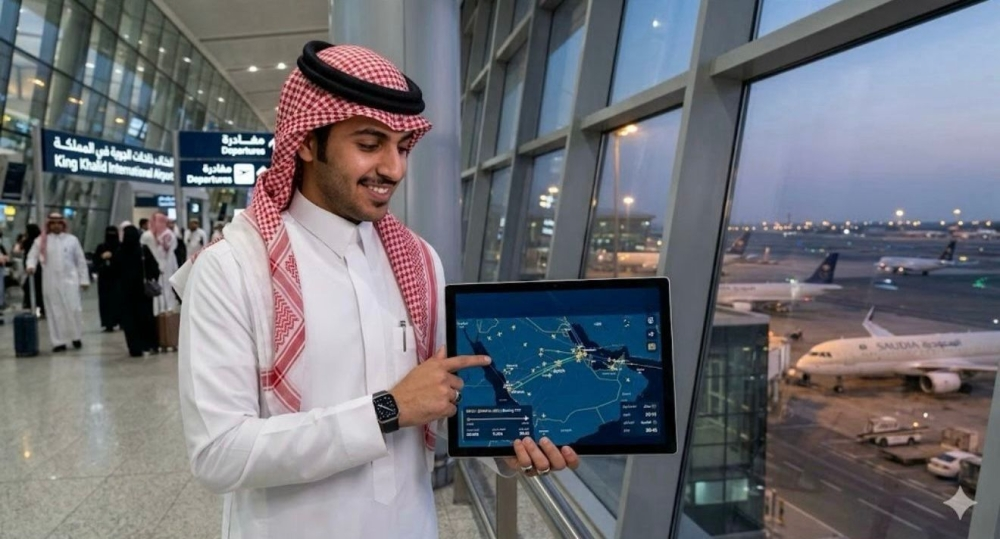
Coinciding with the International Day of Learning, leading experts and academics affirmed that digital learning is no longer merely an alternative option, but has become a fundamental pillar for bridging the knowledge gap and achieving equal educational opportunities across all segments of society. The experts emphasized the necessity of integrating artificial intelligence technologies to personalize learning pathways and develop interactive skills, while also stressing the importance of enhancing technological awareness among families and students to ensure safe and responsible use that aligns with future aspirations and fosters creative generations.
The roots of technological transformation and the establishment of International Day
Returning to the broader context and historical background of this event, we find that the shift towards e-learning began as a natural response to the Fourth Industrial Revolution and the development of the internet. With the increasing need for flexible education systems, especially after the global challenges posed by the COVID-19 pandemic, the urgent need to adopt unconventional educational strategies became apparent. In this context, the adoption of March 19th as the International Day for Digital Learning culminated in global efforts to highlight the importance of technology in education and to support the United Nations Sustainable Development Goals, specifically Goal 4, which aims to ensure inclusive and equitable quality education for all.
Dimensions of the regional and international impact of adopting digital learning
The significance of this event is underscored by its anticipated impact on several levels. Locally, digital learning aligns closely with the goals of Saudi Vision 2030, which aims to build a knowledge-based economy and develop human capital through advanced digital infrastructure. Regionally, this transformation contributes to enhanced cooperation among Arab countries in exchanging expertise and open educational resources, thereby reducing educational disparities across the region. Internationally, adopting these technologies strengthens the resilience of education systems to future crises and fosters a more interconnected global community capable of innovation and solving complex problems.
A forward-looking vision for modern university education
In a related context, Dr. Iman Al-Dhaheri, Associate Professor of Artificial Intelligence and Dean of the Deanship of Research and Innovation at Jeddah University, explained that digital transformation is a complete restructuring of the education system to make it more flexible. She pointed out that this approach is of paramount importance at Jeddah University through the “Education System” program, which aims to integrate modern technologies. The university’s e-learning department is also working to provide advanced platforms and diverse learning resources through strategic partnerships with global digital platforms such as Huawei and Microsoft, to open up broader horizons for self-learning and the acquisition of specialized skills. She emphasized the need to train faculty members and develop students’ critical thinking skills to meet the rapidly evolving demands of the job market.
Breaking down geographical barriers and tailoring learning pathways
For his part, Dr. Abdullah Al-Darani, Associate Professor of Artificial Intelligence and its Applications, explained that technology has fundamentally transformed the concept of education, which is no longer confined to a specific time or place. He added that digital platforms and virtual classrooms allow students in various regions to access high-quality content, thus promoting equal opportunities for those facing geographical or social challenges. Despite these advantages, Al-Darani cautioned against challenges such as limited direct interaction and uneven infrastructure, calling for investment in developing the technological environment and training teachers, while emphasizing the role of families in guiding their children toward safe internet use and protecting personal data.
Comprehensive empowerment and cyber awareness for generations
In the same vein, Artificial Intelligence and Data Governance Consultant, Engineer Araa Al-Hamzani, reviewed technology's contribution to bridging the educational gap and providing equal opportunities for learners. She emphasized that empowering women in the Kingdom and the support of the wise leadership have contributed to expanding the participation of female talent in the digital knowledge industry. She stressed the importance of the family's role in protecting children from cyber risks by promoting awareness and personal responsibility. She concluded by affirming that artificial intelligence will deliver personalized learning experiences, and that technology is a tool for knowledge and empowerment that requires establishing a culture of responsible use to preserve national values and identity, in order to build a more advanced and prosperous nation.