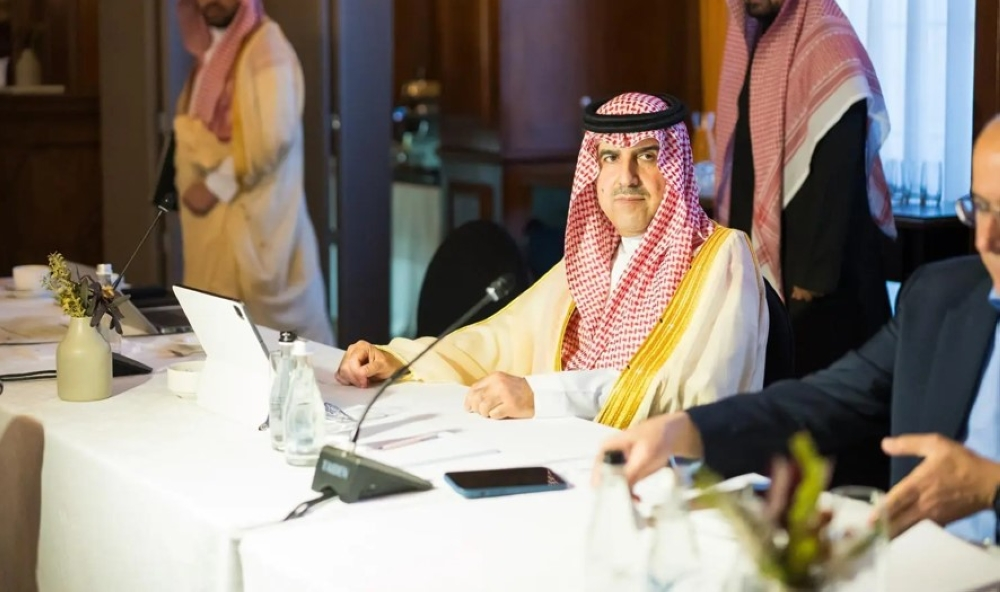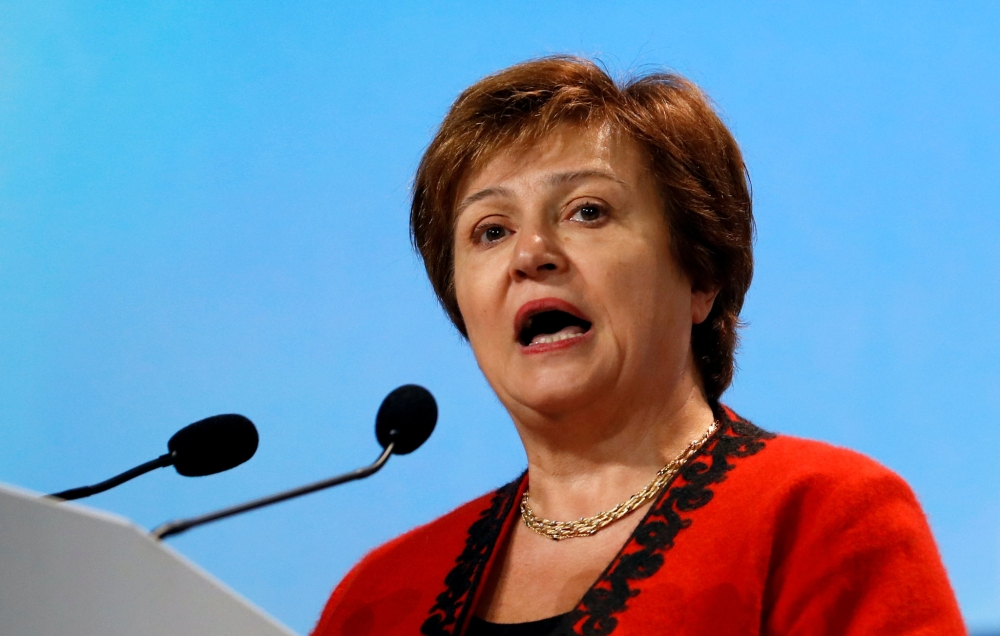
The Managing Director of the International Monetary Fund, Kristalina Georgieva, affirmed that emerging market economies are poised to lead global growth, predicting that their growth rates will significantly outpace those of advanced economies by 2026. These remarks were made during the Al-Ula Conference on Emerging Market Economies, where she highlighted the pivotal role these countries play in a world undergoing profound geopolitical and economic transformations.
A shift in the balance of economic power
Georgieva explained that emerging markets' share of the global economy has already surpassed half, approaching 65% of the "global economic pie." She noted that projected growth rates in these economies, around 4% this year, significantly exceed those of advanced economies, which hover around 1.5%. This disparity reflects a structural shift in the engines of global growth, as these markets are no longer merely sources of raw materials but have become influential consumer, industrial, and technological hubs.
Historical background and global context
This development is the culmination of decades of economic transformations that began with the waves of globalization in the late 20th century. Historically, the advanced economies of North America and Europe dominated global output. But since the beginning of the new millennium, thanks to structural reforms, trade liberalization, and foreign direct investment, countries such as China, India, Brazil, and those in Southeast Asia and the Middle East have begun to achieve remarkable growth. These economies have demonstrated remarkable resilience in the face of global crises, such as the 2008 financial crisis and the COVID-19 pandemic, further solidifying their position as engines of global growth.
Reasons for excellence and its future importance
The IMF Managing Director attributed this strong performance to the maturing of economic policies in many emerging markets. She stated, “Our research shows that emerging markets have more independent central banks, clearer inflation targets to anchor monetary policy, and less reliance on foreign exchange market intervention to absorb shocks.” She also expressed admiration for the progress made by some countries in adopting strict fiscal rules to instill fiscal discipline. This institutional stability not only attracts investment but also enables these countries to better withstand global volatility. Internationally, this shift means a reshaping of economic alliances and increased influence for these countries in international organizations such as the G20, the IMF, and the World Bank, giving them a stronger voice in shaping global economic policy.