The Islamic Military Counter Terrorism Coalition, headquartered in Riyadh, Saudi Arabia, continues to solidify its institutional approach, which is based on a careful balance between national security requirements and combating terrorist organizations, on the one hand, and strict adherence to the principles of international humanitarian law, on the other. This is achieved through intensified training programs to enhance legal awareness and build specialized capacities among relevant personnel in member states, ensuring that military and security operations are consistent with internationally recognized humanitarian standards.
Historical context and pioneering role
Since its establishment at the initiative of the Kingdom of Saudi Arabia, the Islamic Military Counter Terrorism Coalition has undertaken the task of coordinating and unifying efforts among its member states to confront the scourge of terrorism, which has threatened the stability of the region and the world. The Coalition's role has not been limited to the military aspect alone; it has adopted a comprehensive strategy encompassing intellectual and media dimensions, as well as combating the financing of terrorism. The current focus on "international humanitarian law" is a further step to ensure that the war on terror is a clean war, based on international legitimacy, and does not descend into practices that extremist groups could exploit to recruit more followers.
Details of the scientific and legal program
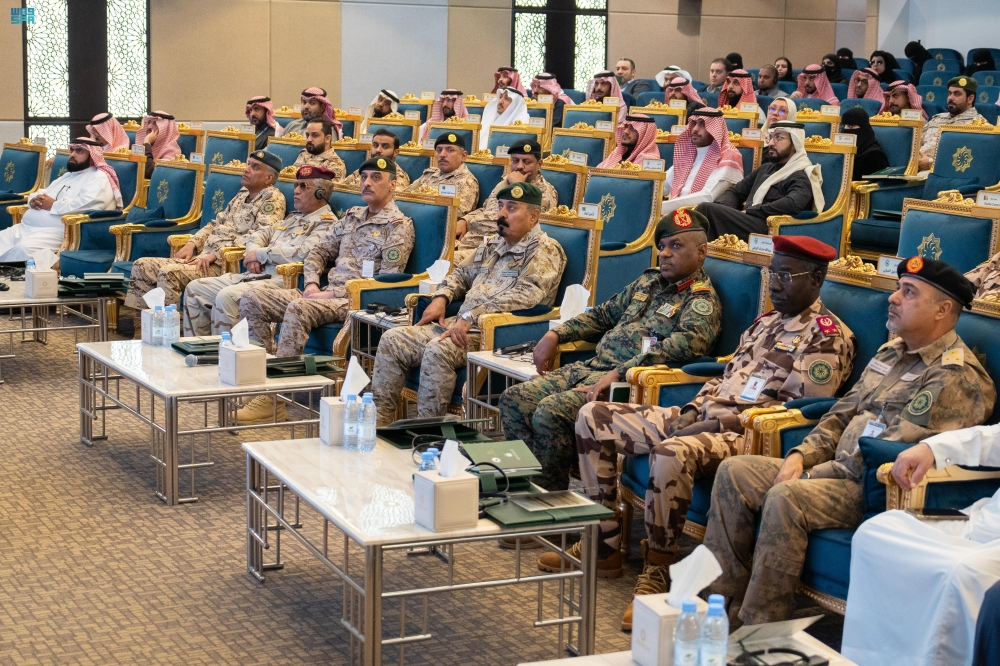
In this context, the specialized scientific program on "International Humanitarian Law and its Relationship to Combating Terrorism," organized by the Alliance in cooperation with the Standing Committee on International Humanitarian Law, provided an advanced knowledge platform. The program aimed to exchange perspectives and experiences, highlight the legal frameworks governing the use of force and the legal responsibilities arising from international crimes related to terrorism, and review practical experiences and best practices that ensure the protection of civilians during armed conflicts.
The importance of compliance with international law
The Islamic Alliance affirmed that strengthening compliance with international humanitarian law is a crucial element in the success of counterterrorism efforts. The importance of this approach lies in several key points:
- Protecting civilians: Ensuring that innocent people are not harmed during security operations, thus preserving lives and property.
- International legitimacy: To give legal and moral legitimacy to the coalition's operations in the eyes of the international community.
- Gaining the trust of communities: Enhancing people's confidence in government policies and actions taken to address threats.
Value dimensions and the Saudi role
The scholarly discussions highlighted the importance of the ethical and cultural dimension, particularly the inherent legal principles and humanitarian values of Islamic culture, which predate secular laws in advocating for the preservation of life and human dignity. This approach reflects the leading role of the Kingdom of Saudi Arabia – the host country – in supporting international initiatives aimed at consolidating international peace and security and strengthening adherence to international humanitarian law as a fundamental pillar in combating terrorism. This underscores the Kingdom's commitment to providing member states with specialized legal expertise to address contemporary security challenges.