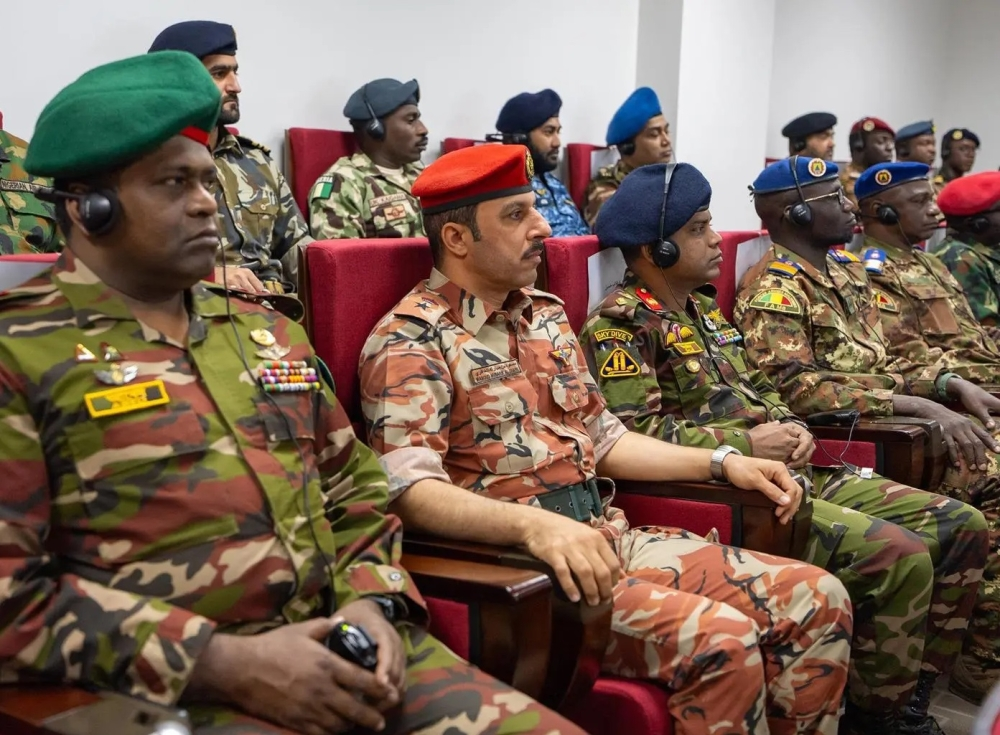
In a strategic move aimed at enhancing the joint capabilities of member states, the Islamic Military Counter Terrorism Coalition , in cooperation with the General Directorate of Civil Defense in the Kingdom of Saudi Arabia, concluded its “Emergency and Disaster Management” program. Held at the Civil Defense Institute in Riyadh , the program saw wide participation from 23 trainees representing 10 member states of the Coalition and consisted of two weeks of intensive training.
Details of the closing ceremony and official participation
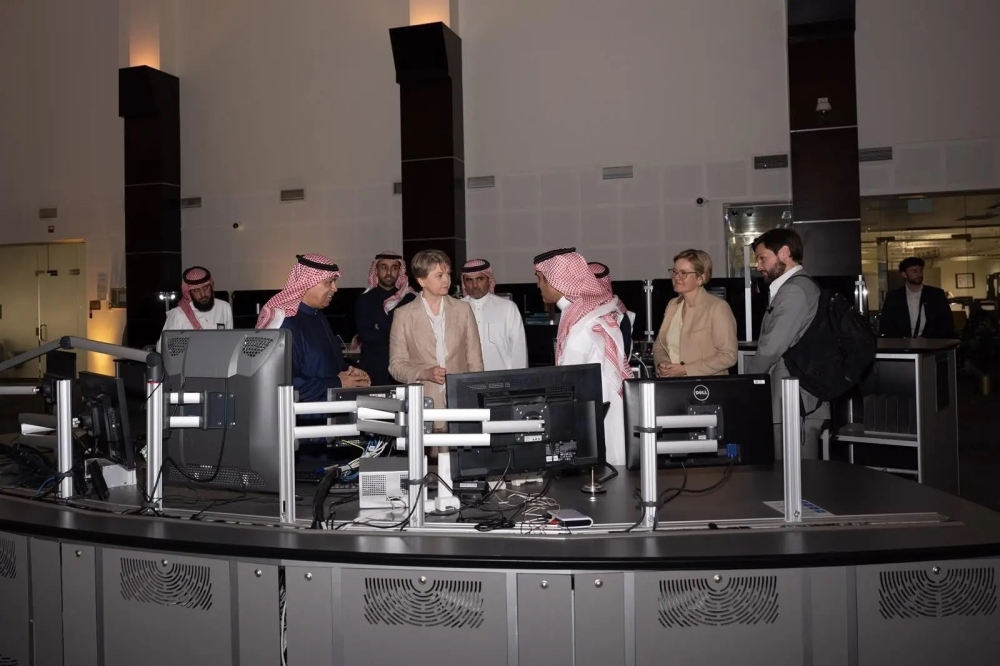
The closing ceremony was attended by high-ranking officials, including Major General Sami bin Abdulmohsen Al-Tuwaijri, Director General of Human Resources Development at the General Directorate of Civil Defense, and Brigadier General Saud bin Ashri Al-Ashri, representative of the Islamic Military Counter Terrorism Coalition. This attendance underscores the depth of the strategic partnership between the Coalition and Saudi security and civilian institutions, and the commitment of both sides to exchanging expertise and harmonizing concepts in crisis management.
Strategic context and program importance
This program is part of a series of initiatives launched by the Islamic Military Counter Terrorism Coalition, headquartered in Riyadh since its establishment in December 2015. The Coalition's work focuses on four main areas: intellectual, media, countering the financing of terrorism, and military. The "Emergency and Disaster Management" program falls within the efforts to build the capacity of member states to deal with the consequences of terrorist operations or natural disasters that require a coordinated security and civilian response.
The importance of this training lies in its link between security operations and humanitarian response, as rapid and effective disaster response and management are integral to national and regional security. Through these courses, the alliance aims to bridge skills gaps and standardize operational protocols among member states to ensure a swift and effective response during crises.
Comprehensive and advanced training modules
The training program focused on equipping participants with the latest scientific and technical knowledge and skills necessary to handle complex scenarios. Key topics included:
- Hazardous Materials Management: Specialized training on how to deal with incidents involving chemical or biological materials, a vital aspect in countering unconventional threats.
- Media leadership in crises: Familiarizing security leaders with mechanisms for dealing with the media during emergencies, to ensure the accurate flow of information and prevent the spread of rumors that could exacerbate the crisis.
- International and humanitarian law: Promoting awareness of the principles of international law and humanitarian cooperation during disasters, ensuring the protection of civilians and compliance with international standards.
- Planning and response: Preparing and implementing proactive emergency plans to reduce risks and increase the efficiency of the immediate response.
Promoting international integration
The Islamic Alliance affirmed that the success of this program reflects its unwavering commitment to supporting member states through high-quality programs aligned with global best practices. This type of joint training contributes to creating a common language among specialists in Islamic countries, facilitating coordination and mutual support in the event of cross-border disasters or crises requiring joint international intervention, thereby enhancing regional stability and the security of its people.