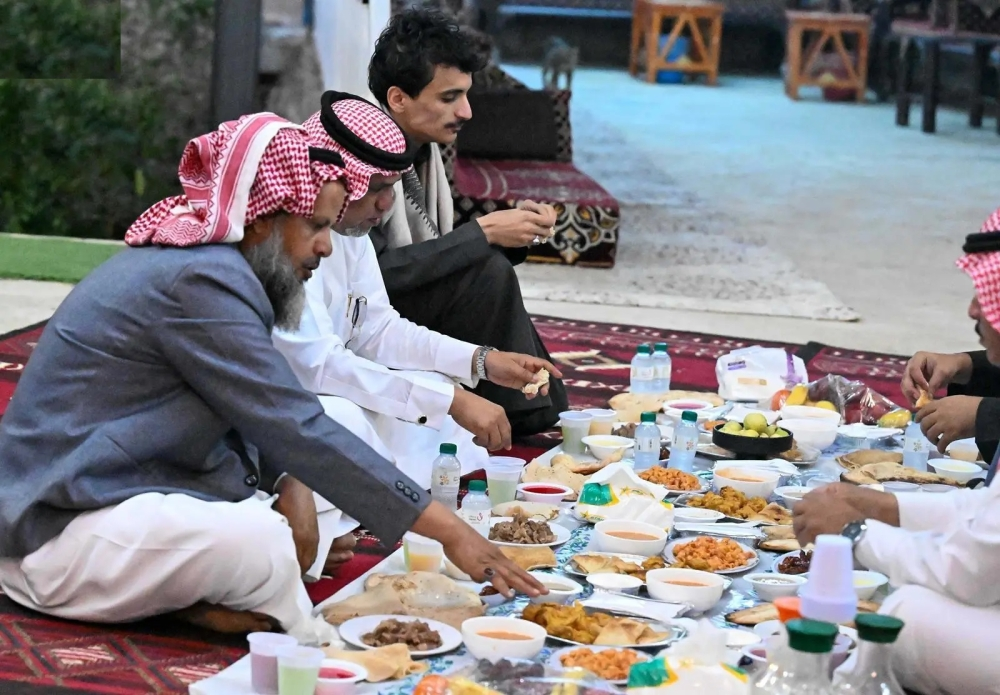
The coffee farms of Jazan are a cornerstone of sustainable rural development and a major producer of authentic Saudi coffee. During the holy month of Ramadan, these farms transform into vibrant hubs of activity, hosting communal iftar meals that reflect the spirit of generosity and camaraderie among the local community. These farms provide a vital source of income for the inhabitants of the mountainous region, who view coffee cultivation not merely as a profession, but as a passion and a craft passed down through generations for centuries, lending the area a unique cultural and social character.
The historical roots of Khawlani coffee cultivation
Coffee cultivation in southern Saudi Arabia stretches back centuries, with the region renowned for producing Khawlani coffee, considered among the finest in the world. This tree is deeply intertwined with the identity of the people of the Jazan Mountains, where farmers have tamed the harsh environment and constructed stone terraces to conserve soil and water. This rich historical legacy is not merely agricultural; it has always been a symbol of authentic Arabian hospitality. Today, Ramadan iftar meals revive this history, as farmers gather amidst the enchanting natural surroundings, surrounded by the aromas of coffee and fragrant plants, to share stories and memories that connect the glorious past with the bright present.
Ramadan traditions that strengthen social bonds in the coffee farms of Jazan
Coffee farmers prefer to hold their Ramadan iftar meals within their farms and at crossroads between mountain villages, a deeply rooted custom and tradition passed down through generations in the Al-Dayer Bani Malik Governorate and neighboring governorates. The month of Ramadan presents a golden opportunity to strengthen social bonds among the inhabitants of these closely situated villages, united by kinship ties, neighborly relations, and shared professions. These gatherings transform into fruitful discussions where they share their agricultural expertise and experiences, and explore modern methods that eliminate the hardship of haphazard farming practices, thus contributing to improved production quality and the development of coffee trees. They instill this passion in their children from a young age to ensure the continued care of this blessed tree.
Economic and cultural impact locally and internationally
The importance of these farms extends beyond the social dimension to encompass wide-ranging economic and cultural impacts. Locally, coffee cultivation contributes to strengthening the national economy and providing sustainable employment opportunities for the region's residents, aligning with the goals of the Kingdom's Vision 2030, which places great emphasis on diversifying income sources and supporting rural agriculture. Regionally and internationally, Al-Dayer Governorate, home to more than 1,100 mountain farms, has become a prominent tourist and cultural destination. This influence is evident in its annual hosting of the International Saudi Coffee Festival, which attracts coffee experts and enthusiasts from around the world. This international event not only celebrates high-quality crops but also highlights the Kingdom's position as a leading producer of specialty coffee and promotes the presence of Saudi Khawlani coffee, which has been inscribed on UNESCO's Representative List of the Intangible Cultural Heritage of Humanity, proudly placing Saudi coffee culture on the global map.