A new phase of benevolence in serving those fasting in the Two Holy Mosques
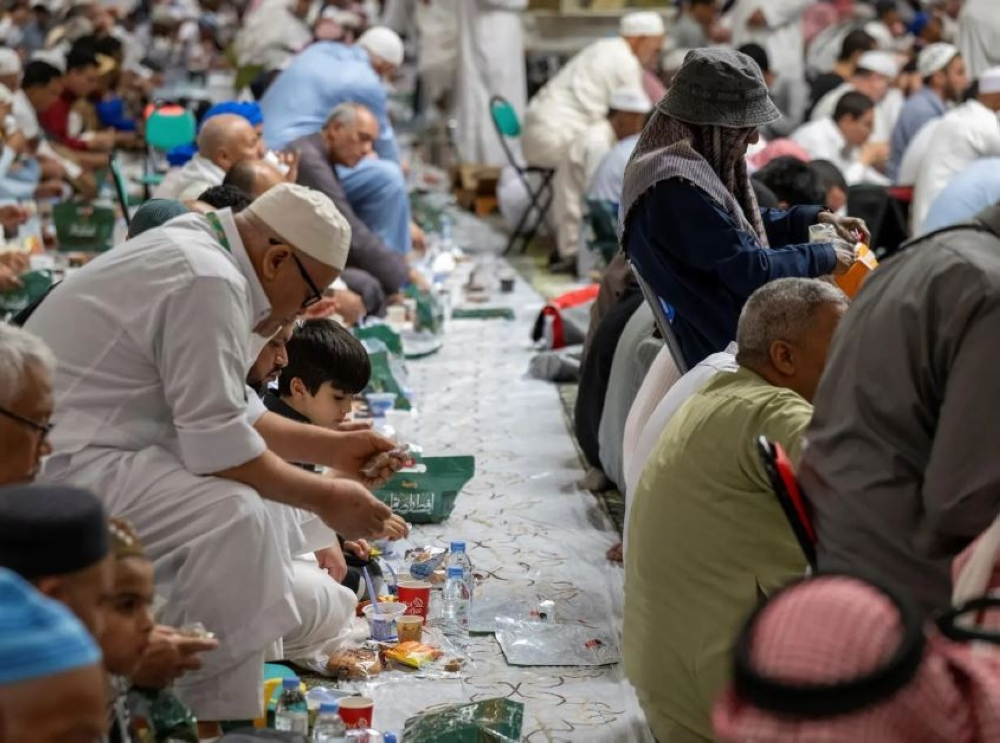
The General Authority for the Care of the Two Holy Mosques announced the launch of a new and advanced phase in its system for providing Iftar meals to those fasting in the Two Holy Mosques, under the title "Al-Ihsan" (Excellence), starting with Ramadan 1447 AH. The Authority's CEO, Engineer Ghazi bin Dhafer Al-Shahrani, affirmed that this step comes within the framework of the ongoing effort to enhance the experience of pilgrims and ensure that every Iftar meal is of a quality befitting the sanctity of the place and the special nature of the time.
Historical background and development context
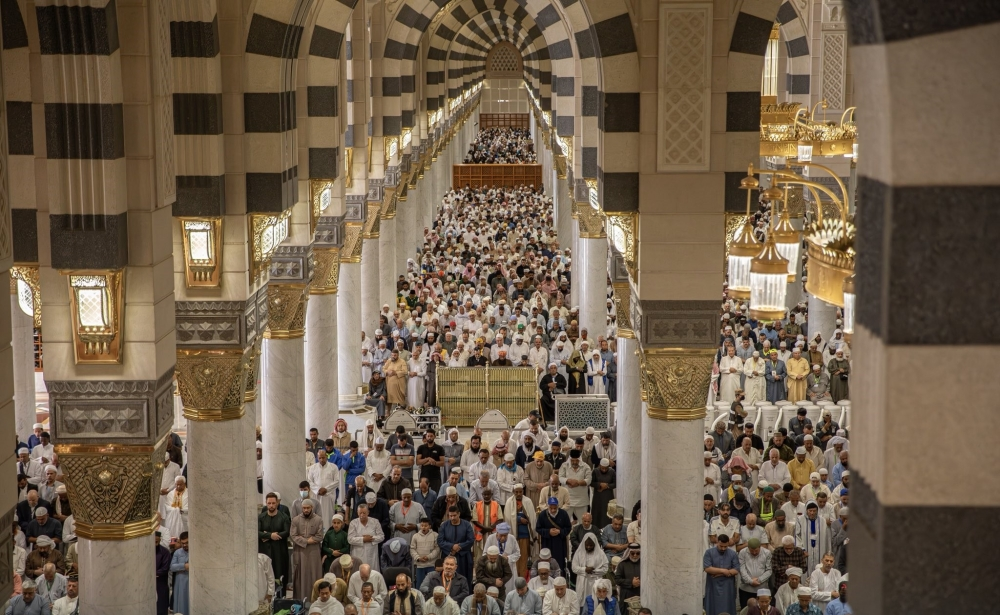
Providing iftar (the meal to break the fast) for those observing the fast at the Grand Mosque in Mecca and the Prophet's Mosque in Medina is a long-standing and deeply rooted Islamic tradition, reflecting the values of generosity and hospitality in Islam. Throughout history, this noble task has been managed through the individual efforts of philanthropists and charitable individuals. However, with the enormous increase in the number of pilgrims and visitors, especially in light of the goals of Saudi Vision 2030, which has facilitated access to the Two Holy Mosques, the urgent need has arisen to develop a more professional and sustainable system capable of serving millions with high efficiency.
Research findings form the basis for development
This qualitative shift was based on a field study conducted by the Authority during Ramadan 1446 AH, in partnership with the non-profit sector, represented by the Badel Foundation. The study included a sample of 10,000 fasting individuals and showed an overall satisfaction level of 85%. The study revealed 62 potential areas for improvement, from which 69 development ideas were derived and translated into 6 key initiatives that form the basis of the new governance. These initiatives aim to transform efforts from scattered individual initiatives into an integrated system with clear standards and responsibilities.
The pillars of the new governance are: quality, regulation, and transparency
The governance of “Al-Ihsan” is based on three main pillars to ensure a model Iftar experience:
- Meal component development: We collaborated with leading food companies to design healthy and balanced breakfast meals. The ingredients include high-quality dates, dried fruits, protein sources such as nuts, healthy fats, baked goods, and water. The meals will be offered in three categories with carefully considered calorie counts to meet diverse needs.
- Operational and logistical arrangements were organized: Prayer areas were divided into operational zones, each assigned to a designated company with a backup list. A detailed plan was implemented to manage transportation vehicle parking, define responsibilities both temporally and spatially, and ensure the immediate removal of food and other items after Iftar. The system also includes sorting surplus and waste to achieve the highest standards of hygiene and efficiency.
- Donation Process Governance: To enhance transparency and reliability, the donation receiving channel has been unified and is now exclusively through the national charitable platform “Ihsan.” This process ensures that donors’ contributions reach their intended recipients under the supervision of specialized organizations such as “Nusk” and “Badel,” as well as implementing companies.
Importance and expected impact
This initiative goes beyond simply providing food; it represents a global model for crowd management and service delivery at the largest religious gatherings. Locally, the new governance will enhance the experience of millions of visitors, improving their safety and comfort. Internationally, it solidifies Saudi Arabia's position as a leader in serving the Two Holy Mosques and offers the Muslim world a model of modern management and organized institutional philanthropy.
Engineer Al-Shahrani concluded his statement by praying that God accepts the good deeds of the benefactors, and that He makes what they offer purely for His sake, asking God to perpetuate the Kingdom’s security, goodness and stability.