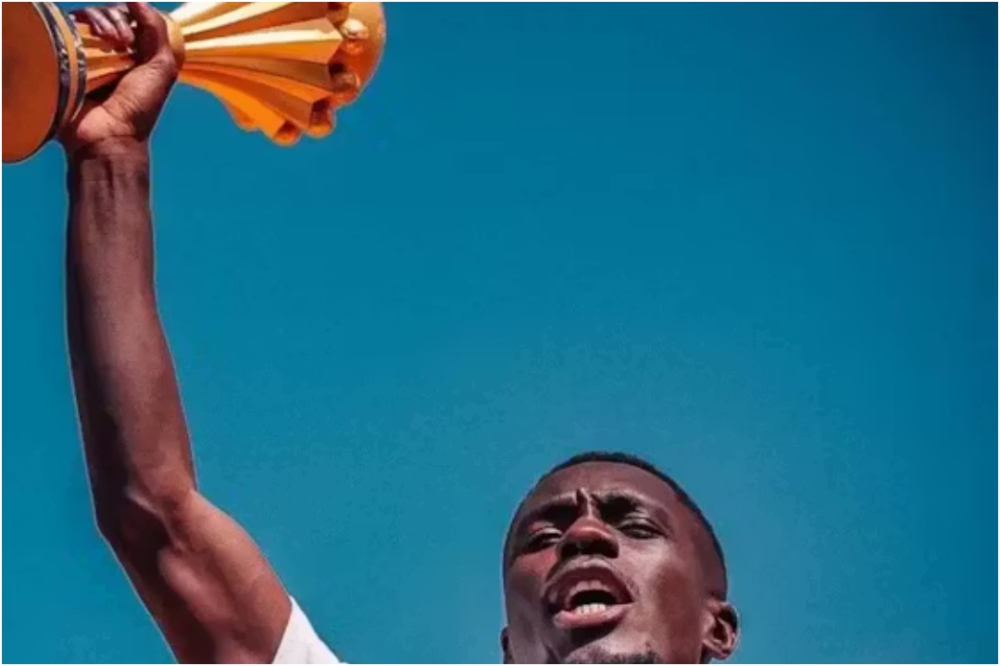
Senegalese midfielder Idrissa Gueye , who plays for Everton in England, has expressed his readiness to take the unprecedented step of returning the medals he and his teammates won at the Africa Cup of Nations to Morocco. This initiative comes amidst recent tensions following the Confederation of African Football's (CAF) decision to award the title to Morocco on paper, despite their loss in the final match, in a serious attempt to calm the situation and ease the animosity between the two neighboring countries.
The historical context of African championships and Idrissa Gueye's position
Historically, African football tournaments have been characterized by fierce competition and dramatic events that extend far beyond the 90 minutes of play. The continent is a stage for unparalleled public passion, where football is intertwined with national identity and regional pride. In this context, Idrissa Gueye's , as he captained Senegal in that final match as a replacement for the suspended defender Kalidou Koulibaly, stands out, reflecting the immense psychological pressure and responsibility placed on the players. Controversies surrounding refereeing decisions and subsequent administrative rulings are not new to African football. The Court of Arbitration for Sport (CAS) has intervened on several occasions to resolve similar disputes, confirming that the legal and sporting framework on the continent continues to evolve to ensure integrity and transparency.
Details of the crisis and CAF's controversial decisions
These bold statements were made on Saturday evening on Canal+ television, following his contribution to Everton's 3-0 victory over Chelsea in the English Premier League. The player stated unequivocally: "I personally pledge to collect the medals from my teammates, and perhaps return them to Morocco if this will help ease the tension between the two countries." He added, expressing his displeasure at the shift of championship decisions to administrative offices: "This seems rather ridiculous. Football matches should be decided on the pitch, and that's exactly what we did. We did what was necessary on the field and won that match, and we consider ourselves the true champions of Africa. Titles are won through hard work and sweat on the field, not through decisions made in offices.".
The roots of the crisis lie in the final match held in the Moroccan capital, Rabat, on January 18, which ended with a 1-0 victory for the "Lions of Teranga" after extra time. However, two months after this triumph, the Confederation of African Football's (CAF) Appeals Committee delivered a major surprise by declaring Senegal "withdrawn from the final" and upholding the result on paper as a 3-0 victory for Morocco. This administrative decision prompted the Moroccan Football Federation to announce its intention to appeal to the Court of Arbitration for Sport (CAS) in Lausanne, Switzerland, the highest sports judicial body in the world, to secure its legal rights. The Senegalese star commented on this legal avenue, saying, "If it were up to me, I would ask my federation not to file any appeal," indicating his desire to put the matter behind him.
Impact of the event on regional and international sports relations
The impact of this crisis extends beyond the purely sporting realm, encompassing sports relations and soft diplomacy between the continent's nations. At the local and regional levels, such disputes spark widespread debate among fans and the media, potentially fueling increased sports fanaticism if not handled wisely. Internationally, the intervention of bodies like CAS highlights the extent to which continental federations adhere to international legal standards. The events that marred the final night, from Senegal's players' protests against a penalty awarded to Morocco in stoppage time after a VAR review, their temporary departure from the pitch, and the throwing of projectiles by fans, all negatively affect the global image of African football. Despite Ibrahim Diaz's missed penalty and Senegal's subsequent victory thanks to Pape Gueye's goal, the administrative fallout demonstrated that the final whistle was not the true end of this historic encounter.