في خطوة تعكس التطور المتسارع في منظومة البحث العلمي والابتكار بالمملكة العربية السعودية، أعلنت مؤسسة الملك عبدالعزيز ورجاله للموهبة والإبداع "موهبة"، بالشراكة الاستراتيجية مع وزارة التعليم، عن القائمة النهائية للمشاريع المتأهلة لمعرض إبداع للعلوم والهندسة "إبداع 2026". وتضمنت القائمة 200 مشروع علمي نوعي لنخبة من طلبة المملكة، الذين يستعدون لخوض المنافسات النهائية المقررة في العاصمة الرياض خلال شهر يناير 2026.
تفاصيل الحدث العلمي الأبرز
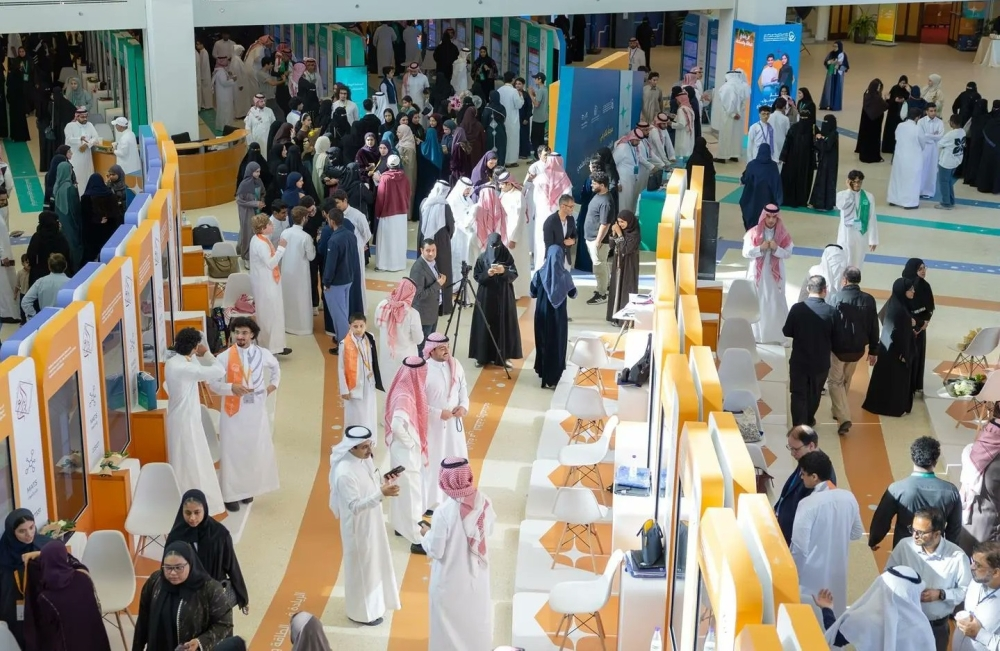
من المقرر أن تحتضن الرياض المنافسات الختامية في الفترة ما بين 25 و29 يناير 2026، وذلك في مركز الأميرة نوف بنت عبدالعزيز الدولي للمؤتمرات. ويُعد هذا الحدث المحطة الأخيرة والحاسمة لاختيار المنتخب السعودي للعلوم والهندسة الذي سيمثل المملكة دولياً في معرض "آيسف 2026" بالولايات المتحدة الأمريكية، بالإضافة إلى عدد من المحافل العلمية العالمية الأخرى.
رحلة التنافس: من 357 ألفاً إلى 200 مبدع
لم يكن الوصول إلى هذه القائمة سهلاً؛ فقد جاء نتاجاً لمراحل تصفية دقيقة ومطولة. شهدت نسخة "إبداع 2026" إقبالاً تاريخياً غير مسبوق، حيث سجل في المنافسات الأولية أكثر من 357 ألف طالب وطالبة من مختلف الإدارات التعليمية بالمملكة. خضع هؤلاء لمراحل فرز متعددة، وصولاً إلى مرحلة المعارض المركزية التي شهدت تنافس 500 طالب وطالبة، تم تقليصهم عبر لجان تحكيم متخصصة إلى الـ 200 مشروع الأفضل والأكثر قابلية للتطوير والمنافسة عالمياً.
سياق تاريخي وإنجازات دولية متتالية
يكتسب "إبداع 2026" أهمية خاصة بالنظر إلى السجل الحافل للمملكة في السنوات الأخيرة في معرض "آيسف" الدولي. فقد تحولت المشاركة السعودية من مجرد الحضور إلى المنافسة الشرسة على المراكز الأولى، حيث حقق طلبة المملكة عشرات الجوائز الكبرى والخاصة في النسخ السابقة، متفوقين على منافسين من دول صناعية كبرى. هذا الإرث يضع مسؤولية مضاعفة على عاتق الدفعة الجديدة للحفاظ على المكتسبات الوطنية ورفع العلم السعودي في المحافل الدولية.
الأثر الاقتصادي والاستراتيجي لرؤية 2030
لا تنفصل هذه الجهود عن السياق العام لرؤية المملكة 2030، وتحديداً "برنامج تنمية القدرات البشرية". حيث تهدف هذه المنافسات إلى تحويل المجتمع من مستهلك للمعرفة إلى منتج لها، من خلال بناء جيل من الباحثين والعلماء الصغار القادرين على ابتكار حلول لمشكلات الواقع في مجالات الطاقة، والبيئة، والطب، والذكاء الاصطناعي. ويُعول على هؤلاء الموهوبين ليكونوا نواة الاقتصاد المعرفي الذي تسعى المملكة لترسيخه كبديل استراتيجي ومستدام.
معايير تحكيم عالمية وبرامج تأهيلية
يخضع الطلبة في النهائيات لتقييم صارم يشرف عليه نخبة من الأكاديميين والخبراء، وفق معايير علمية تتطابق مع معايير "آيسف". ولا تكتفي "موهبة" بالترشيح، بل توفر للمتأهلين برامج تدريبية مكثفة، وورش عمل لتطوير مهارات العرض والإلقاء، ومراجعة دقيقة لمنهجيات البحث العلمي، لضمان جاهزيتهم لمقارعة نظرائهم من مبدعي العالم، مما يجعل من "إبداع" حاضنة وطنية متكاملة للمواهب.