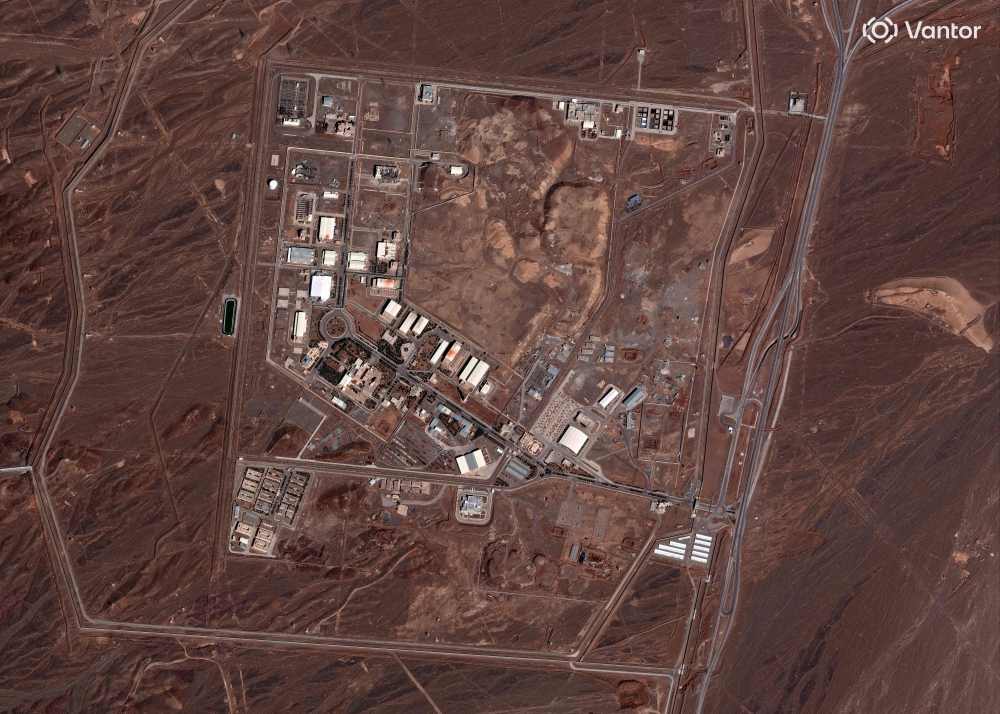
The International Atomic Energy Agency (IAEA), based on detailed analysis of the latest available satellite imagery, has confirmed significant physical damage to the entrance buildings Natanz underground nuclear fuel enrichment facility. This announcement further highlights the security and operational status of one of the Islamic Republic's most important nuclear facilities, amid ongoing regional tensions.
The agency explained in its report that despite the damage observed in the external structures of the entrance, no radioactive effects are expected, confirming that it has not detected any additional impact or leakage at the station, which reassures the international community about the immediate environmental safety of the site at the present time.
Natanz facility at the heart of security and cyber tensions
This is not the first incident of its kind at the Natanz facility , which has a long history of security and cyber incidents that have sparked considerable controversy over the past decade. Located in the desert of Isfahan province, the facility is considered the backbone of Iran's enrichment program, housing thousands of advanced centrifuges housed in massive underground halls designed to protect them from potential airstrikes.
Historically, the site has been subjected to sophisticated cyberattacks, such as the Stuxnet virus targeting industrial control systems, as well as physical acts of sabotage, most notably the explosion in the centrifuge assembly hall in July 2020 and the mysterious power outage in April 2021, which Tehran described as "nuclear terrorism." This series of events clearly indicates that the facility represents a persistent strategic target within the ongoing covert conflict surrounding Iran's nuclear program.
Strategic dimensions and international monitoring
Any news of damage to the Natanz facility of paramount importance given its pivotal role in Iran's ability to increase uranium enrichment levels. International powers, particularly the United States and European countries, closely monitor the safety and operational efficiency of this facility, as any change in its capabilities is considered a vital indicator of Tehran's trajectory—whether toward peaceful energy uses or closer to developing a military nuclear capability.
The IAEA's current report underscores its continued and crucial monitoring role, relying on satellite imagery and on-site inspections to ensure that nuclear materials remain within their designated areas. While the agency maintains that there are currently no radiological risks, the recurring incidents near sensitive facilities raise serious questions about the future of nuclear agreements and the ability of the parties involved to maintain calm in a region rife with geopolitical instability.