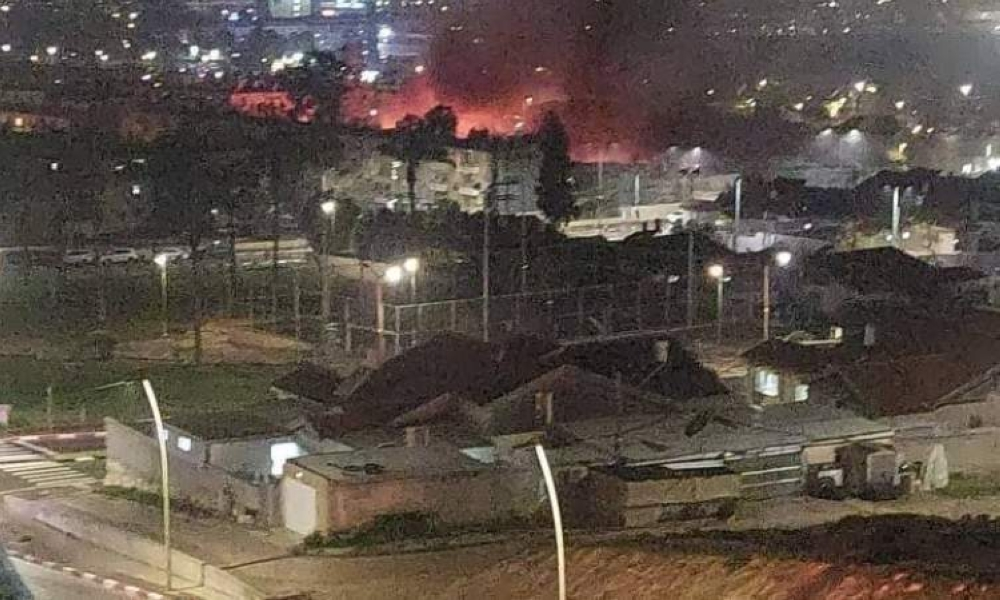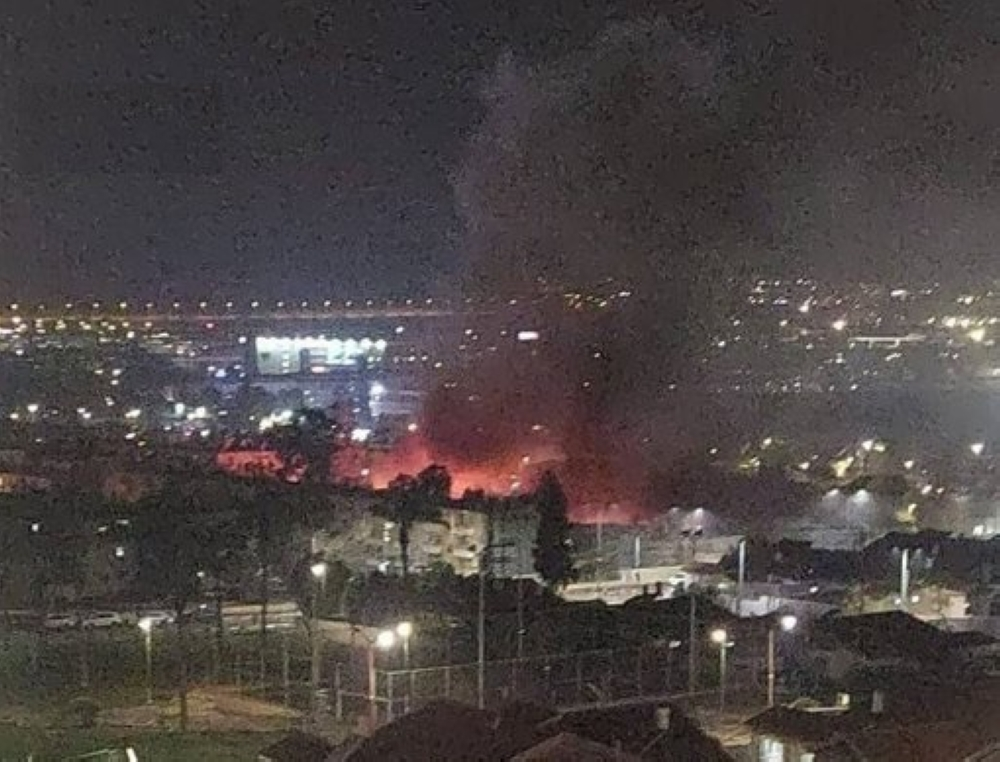
Amid escalating tensions in the Middle East, the International Atomic Energy Agency (IAEA) issued an urgent appeal to the international community for maximum military restraint, warning of the dangers of compromising the safety of nuclear facilities . This crucial warning came in the wake of an Iranian missile attack targeting Dimona, home to an Israeli nuclear reactor in southern Israel, raising new concerns about global nuclear security.
Details of the Iranian strike and an assessment of the safety of nuclear facilities
The UN agency, via its official X platform, stated that it is closely monitoring reports of an incident involving a missile strike in Dimona. The agency reassured the international community that there are no indications or evidence of physical damage to the nuclear research center in the Negev. It added in its statement that monitoring equipment has not recorded any abnormal radiation levels in the area. In this context, the agency's Director General, Rafael Grossi, stressed the need for maximum military restraint, particularly around nuclear facilities , to avoid an environmental and humanitarian catastrophe with unpredictable consequences. For its part, the Israeli military confirmed that Dimona was struck by an Iranian missile, resulting in injuries to 39 people, according to local emergency reports.
Escalation by mutual recrimination: Natanz targeted and the Iranian response
The attack on Dimona did not come out of nowhere; it was a direct response to a previous escalation. Iranian state television announced that the missile strike was in retaliation for an earlier attack on Iran's Natanz nuclear facility on Saturday. The Atomic Energy Organization of Iran, in an official statement carried by the Tasnim news agency, reported that the United States and Israel had launched a joint attack targeting the Natanz uranium enrichment complex. Tehran described the attacks as criminal, while simultaneously asserting that no radioactive material leaks had been reported in the central Iranian region as a result of the attack.
The historical roots of shadow intelligence warfare
To understand this unprecedented escalation, one must consider the broader context and historical background of the ongoing conflict between Tehran and Tel Aviv. For years, the two sides have been engaged in what is known as a shadow war, primarily focused on hindering and destroying Iran's nuclear capabilities. This covert war began to take on a cyber dimension with the Stuxnet virus attack on Iranian centrifuges in 2010, and later evolved to include the assassinations of prominent Iranian nuclear scientists and mysterious sabotage attacks targeting sensitive sites. Israel, for its part, considers the Iranian nuclear program an existential threat and has repeatedly vowed to prevent Tehran from acquiring a nuclear weapon, while Iran insists on the peaceful nature of its program and threatens a harsh response to any attack on its territory or strategic interests.
Regional and international repercussions and the risk of a complete slide into chaos
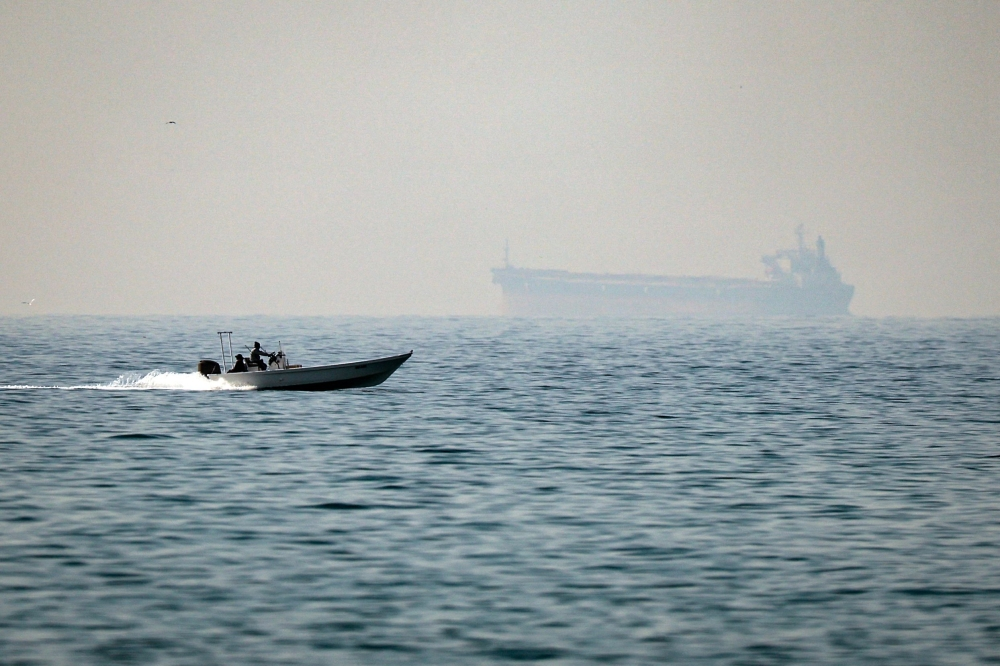
This event is of paramount importance and has extremely serious repercussions at the local, regional, and international levels. Locally, targeting sensitive sites has sparked panic among civilians due to the potential radiological risks. Regionally, this direct exchange of strikes threatens to widen the conflict, potentially drawing other Middle Eastern countries into a full-blown military confrontation that would destabilize the entire region and disrupt international shipping lanes. Internationally, these developments undermine diplomatic efforts to revive the nuclear agreement and put global energy markets on edge, potentially leading to sharp fluctuations in oil prices. Crossing the red line by attacking nuclear infrastructure presents the international community with a genuine test of its ability to enforce de-escalation and prevent the region from sliding into further chaos.