European division at a critical time
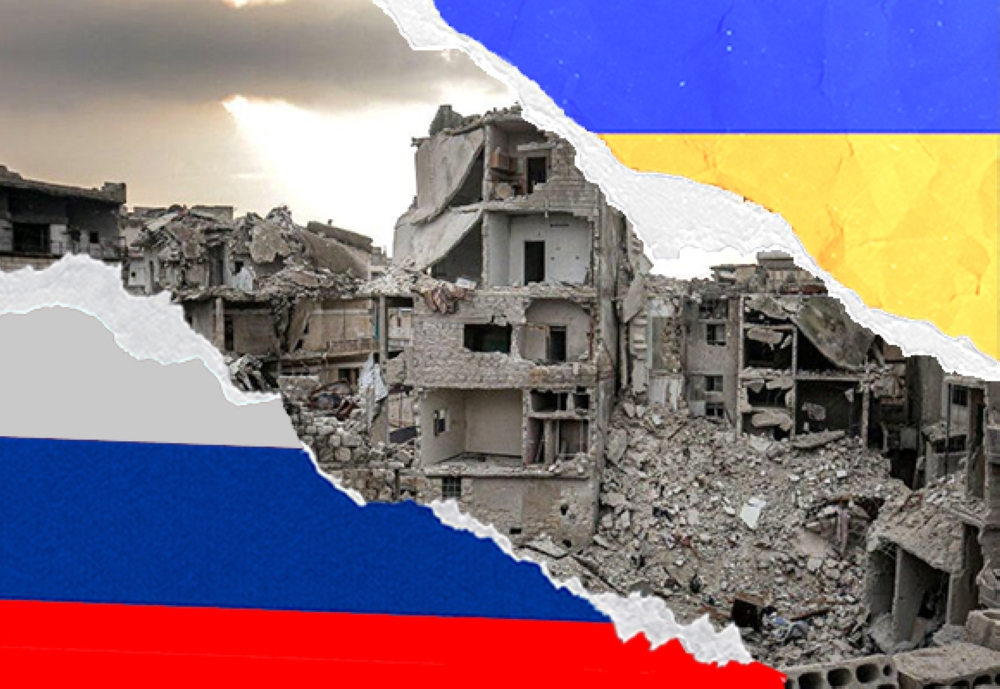
The EU's foreign policy chief, Kaja Kallas, acknowledged a "setback" to European unity after Hungary vetoed a new package of sanctions against Russia. This failure to reach a consensus among the 27 member states comes at a critical juncture, coinciding with the anniversary of Russia's full-scale invasion of Ukraine, highlighting the challenges to maintaining a united European stance.
“It’s a setback and a message we didn’t want to send today, but the work continues,” Callas said after a meeting of EU foreign ministers in Brussels. This latest disagreement is part of a series of positions taken by Budapest that often contradict the EU’s general stance on the conflict in Ukraine, revealing the depth of divisions within the bloc.
Background of the sanctions and Hungary's historical stance
Since the start of the Russian invasion on February 24, 2022, the European Union has adopted a series of unprecedented sanctions packages aimed at crippling the Russian economy and undermining its ability to finance the war. These sanctions have targeted vital sectors such as energy, finance, and technology, as well as imposing restrictions on hundreds of individuals and entities close to the Kremlin. However, the adoption of any new sanctions requires unanimous agreement from all member states, which gives each country, including Hungary, the power to block the entire process.
Under Prime Minister Viktor Orbán, Hungary has maintained close economic and political ties with Moscow, particularly in the energy sector, where it is heavily reliant on Russian oil and gas. Budapest justifies its position by citing the need to protect its national energy security and economic interests, arguing that some sanctions harm the European economy more than they harm Russia.
Budapest conditions and their regional and international impact
Hungary has linked its approval of the new sanctions package to specific conditions, most notably a guarantee of the continued flow of Russian oil through the Druzhba pipeline, which runs through Ukrainian territory. Its Foreign Minister, Péter Szijjártó, announced that Budapest will not agree to the new measures until the halted oil supplies are restored. Hungary and Slovakia accuse Ukraine of disrupting the pipeline's operation as a political pressure tactic, while Kyiv maintains that the pipeline was damaged by Russian shelling.
Regionally, this division weakens the EU’s ability to exert effective and unified pressure on Moscow. It also raises questions about the mechanism for unanimous decision-making in times of crisis. Internationally, the Kremlin may interpret this hesitation as a sign of the European bloc’s weakness, potentially emboldening it to continue its policies. For Ukraine, this delay is a major setback, as it is vitally dependent on sustained international pressure on Russia.
It wasn't just about sanctions; Orban also confirmed he would block a massive €90 billion financial aid package for Ukraine, which European Council President Antonio Costa described as "regrettable" and contrary to the "principle of reciprocal cooperation" within the Union.