A new dispute threatens European unity
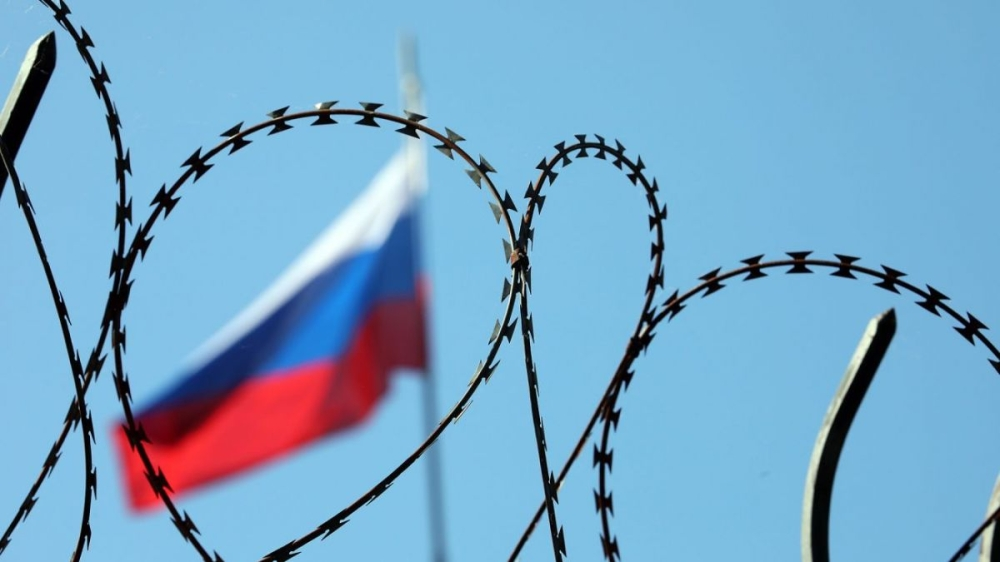
In a development that once again highlights divisions within the European Union over its policy toward Russia, Hungary announced it would veto a new package of sanctions the EU intends to impose on Moscow unless Ukraine resumes oil flows through the Druzhba pipeline. This firm stance from Budapest, supported by Slovakia, puts Kyiv in a difficult position and threatens to delay the European punitive measures.
General context: Energy dependence and a unique policy
To understand Hungary's position, it is essential to revisit the historical and geographical context that shapes energy policies in Central Europe. The Druzhba (Friendship) pipeline , built during the Soviet era, is a vital lifeline for several landlocked European countries, most notably Hungary and Slovakia. These countries rely heavily on Russian crude oil flowing through this pipeline to fuel their refineries and meet their energy needs. Since the start of the Russian invasion of Ukraine in February 2022, Hungarian Prime Minister Viktor Orbán a pragmatic policy, maintaining economic ties with Moscow and repeatedly opposing comprehensive sanctions on the Russian energy sector, citing the need to protect his country's energy security and economic interests.
Details of the current crisis
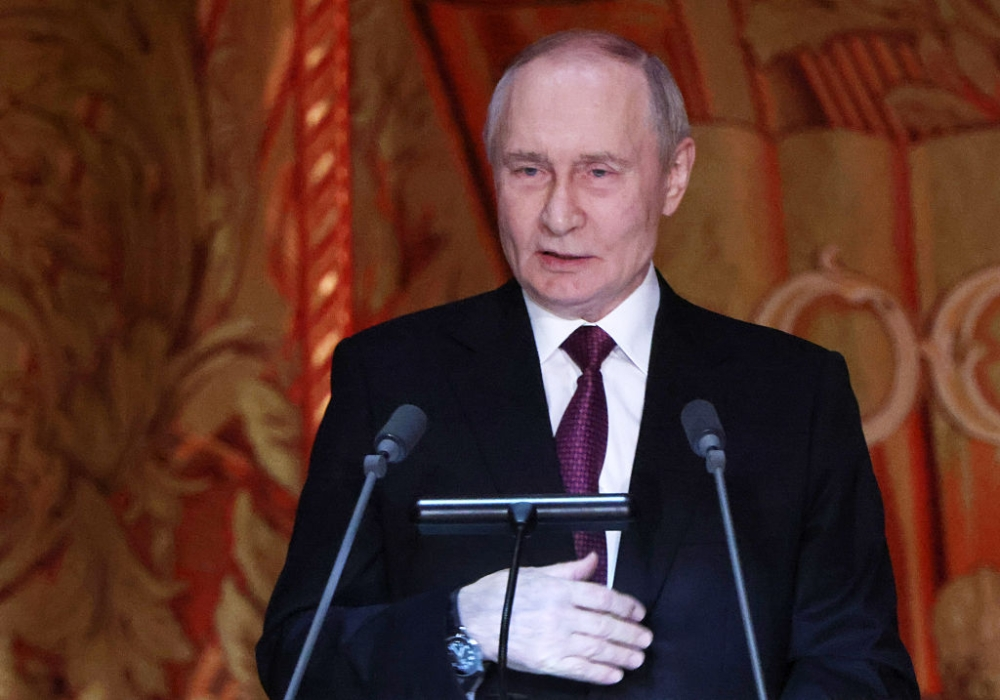
Prime Minister Viktor Orbán and his Foreign Minister Péter Szijjártó have made it clear that approval of the new sanctions package is contingent upon the resumption of oil flows. Orbán wrote on the X platform: “No support for sanctions; the new package will be rejected.” For its part, Ukraine maintains that the pipeline running through its territory was damaged by Russian strikes on January 27, leading to the disruption of supplies. This situation has created a tug-of-war, with Budapest asserting that Kyiv must guarantee the safety and security of Europe’s vital energy corridors.
Hungary was not alone in this position, as Slovak Prime Minister Robert Fico threatened to cut off emergency electricity supplies to Ukraine if oil pumping was not resumed, demonstrating coordination or at least a convergence of interests between the two neighboring countries.
Importance and expected effects
This dispute represents a new test for the unity of the European Union. The EU's decision-making mechanism, which requires the unanimity of the 27 member states to impose sanctions, gives each country, including Hungary, the power to disrupt the bloc's foreign policy as a whole.
- At the regional level, this stance deepens existing disagreements between Central and Eastern European countries on the one hand, and the rest of the EU on the other, regarding how to deal with Russia. It also places Ukraine under additional pressure from countries that are part of the bloc supporting it.
- At the international level, any delay or softening of the new sanctions package plays into Russia's hands, as it allows the Kremlin to appear capable of exploiting European divisions to its advantage. It also weakens the West's ability to exert unified and effective economic pressure on Moscow to force it to end the war.
The new sanctions package being discussed by the EU targets vital sectors such as banking and energy in Russia, and comes as a continuation of a series of measures that began in 2022. The question now remains whether diplomatic negotiations will succeed in finding a solution that satisfies all parties, or whether Hungary will proceed with using its veto, thus dealing a blow to unified European efforts.