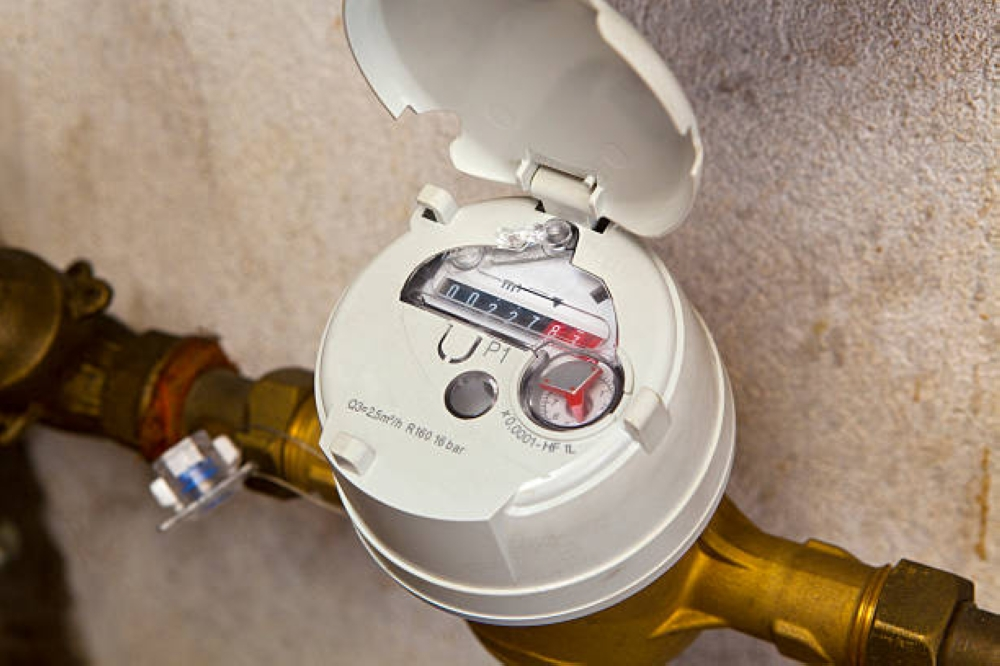
The Saudi Water Authority emphasized that regular inspection of water tanks and home connections is a crucial step for citizens and residents to reduce their monthly water bills. The Authority explained that hidden leaks, which may not be visible to the naked eye, are the primary cause of sudden and unjustified increases in water consumption, negatively impacting the final bill.
Common sources of leaks and the importance of early detection
The authority urged residents to be vigilant about several potential leak sources within homes, primarily bathrooms, kitchens, overhead and underground water tanks, water heaters, and irrigation systems in yards and gardens. It advised regularly checking the integrity of vital tank components such as the tank neck and float valve, and ensuring that the walls are free of any cracks or damage that could lead to water loss. The authority emphasized that addressing any defects immediately upon discovery prevents the problem from worsening and reduces water waste.
National context: Water challenges and Vision 2030
This directive comes within the framework of Saudi Arabia's efforts to address water security challenges. As one of the world's most water-scarce countries, the Kingdom relies heavily on seawater desalination, a costly and energy-intensive process. This awareness campaign aligns with the goals of Saudi Vision 2030 and the National Water Strategy, which aim to achieve water sustainability and rationalize its consumption at all levels, whether in the agricultural, industrial, or domestic sectors.
The economic and environmental impact of rationalizing consumption
Early detection of leaks not only reduces the consumer's monthly bill but also has broader economic and environmental benefits. Locally, water conservation helps alleviate pressure on water network infrastructure and desalination plants, thus lowering operating and maintenance costs for the government. Furthermore, the use of water-saving devices and continuous monitoring reduces water loss and protects building foundations from long-term damage caused by leaks. Environmentally, every drop of water saved contributes to reducing the carbon footprint of energy-intensive desalination processes, supporting the Kingdom's commitment to global environmental sustainability.
Shared responsibility towards sustainability
The authority concluded its statement by emphasizing that water conservation is a shared responsibility that falls on everyone. Proactive leak detection is not merely a preventative measure to save money, but a civic practice that reflects an awareness of the importance of this vital resource and embodies a national commitment to protecting natural resources for future generations. Adopting this culture ensures efficient water use and promotes sustainable supplies for a prosperous future.