A recent climate report has revealed alarming data regarding the reality of climate change in our region, classifying last year as one of the hottest years in the history of climate records for the Middle East and North Africa. The report, issued by the relevant organization, explained that the average temperature in the region exceeded the normal average for the reference period (between 1991 and 2020) by 1.08 degrees Celsius, reflecting a significant and dangerous acceleration in the phenomenon of global warming.
Algeria is at the forefront of rising temperatures
The report's detailed country data shows that Algeria recorded the highest temperature increase in the region, with the average rising by 1.64 degrees Celsius. This significant increase is not merely a statistical figure, but reflects a difficult environmental reality that threatens natural resources and exacerbates desertification in North African countries already suffering from water scarcity and complex environmental challenges.
The Middle East: A climate change hotspot
This data reinforces scientists' long-standing warnings that the Middle East and North Africa region is a "hotspot" for climate change, with temperatures rising at a rate faster than the global average (approximately twice the rate). Historically characterized by its arid and semi-arid climate, recent decades have witnessed unprecedented extreme weather events, placing immense pressure on the already strained infrastructure in some countries and their extremely limited water resources.
Heavy human and economic losses
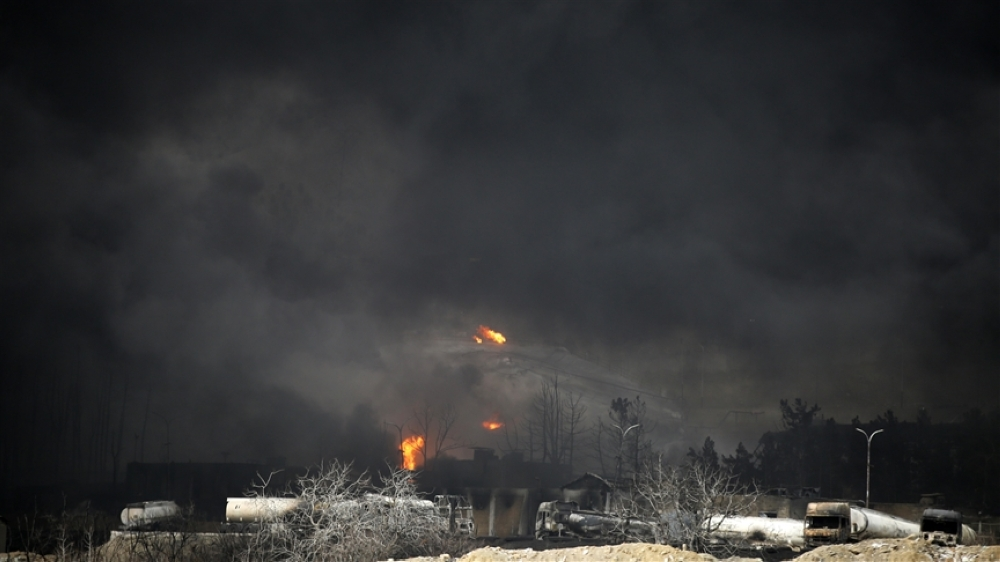
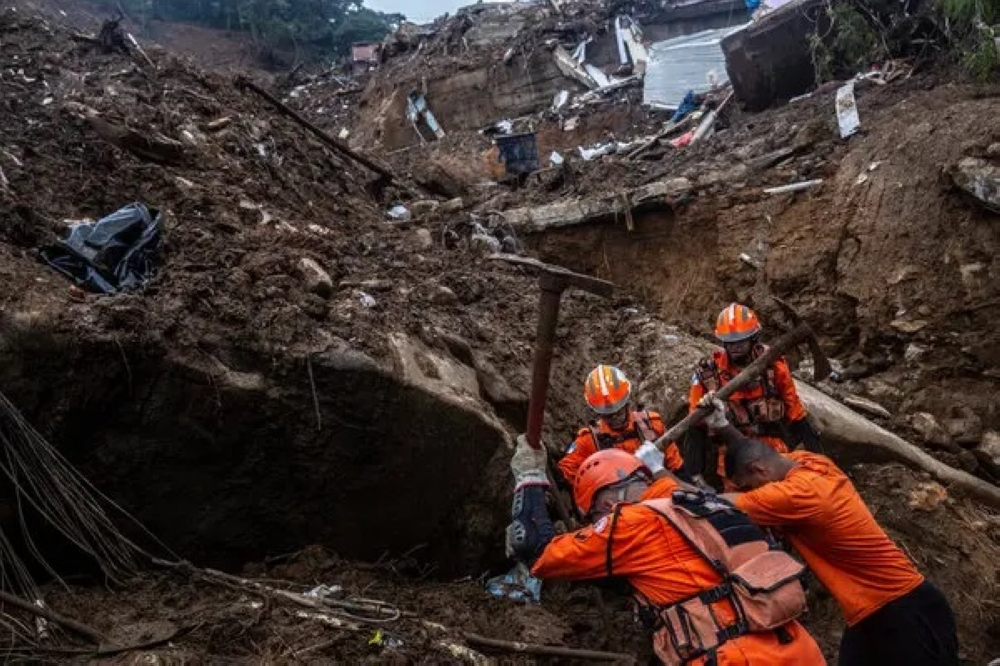
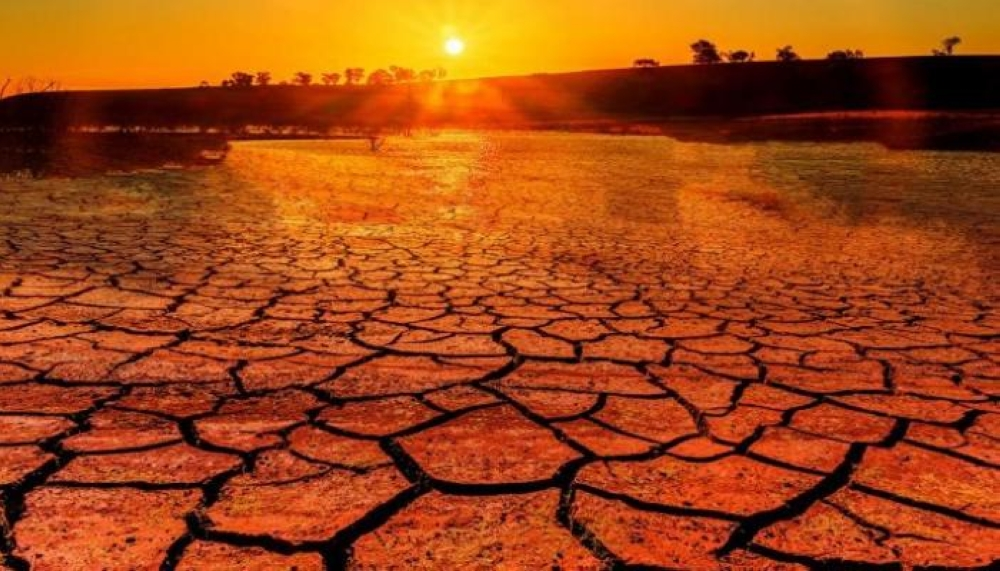
Climate change has not only led to rising temperatures but also a series of devastating natural disasters. The organization noted that prolonged and intense heat waves, flash floods in several regions, and recurring droughts have had a direct and severe impact on human health, the economy, and fragile ecosystems. These extreme events have resulted in the deaths of more than 300 people and have directly affected some 3.8 million people through forced displacement, loss of shelter, and the destruction of agricultural livelihoods.
Repercussions on food and water security
On the economic and social front, climate change poses a direct threat to food security in the region. Rising temperatures and fluctuating rainfall patterns negatively impact traditional crops, forcing countries to increase their food imports and straining their public budgets. Furthermore, the increasing pressure on groundwater and surface water resources could exacerbate water crises, making climate change a critical national security issue for the region's countries.
Future scenarios and UN warnings
In a bleak outlook for the future, the organization warned that if carbon emissions continue at their current rate without drastic intervention, temperatures could rise by 5 degrees Celsius by the end of this century. This catastrophic scenario demands urgent international and regional action. The report concluded by emphasizing the critical importance of investing in water security and developing early warning systems for disasters to minimize human and material losses and ensure the sustainability of life in the region.