A new tragedy in the heart of Hong Kong
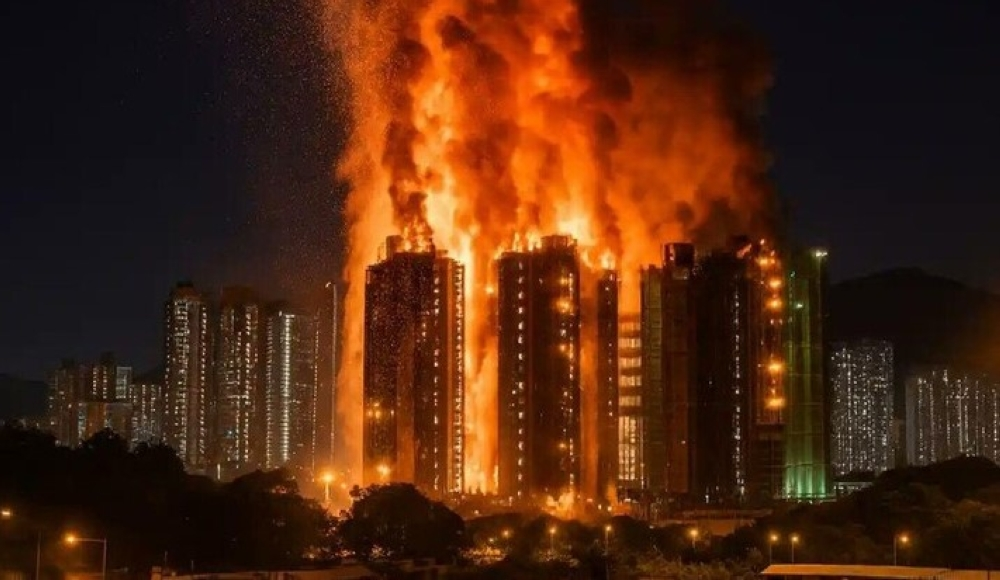
Hong Kong was struck by a horrific tragedy when a massive fire broke out in the New Lucky House residential building in the densely populated Jordan district, killing five people and injuring more than 40 others, some critically. The incident, which occurred in the early morning, has reignited a heated and painful debate about safety standards in the thousands of older buildings scattered throughout the city, which often lack even the most basic fire prevention measures.
Historical background of devastating fires
This tragedy is not the first of its kind in Hong Kong, a city known for its towering skyscrapers and immense population density. The incident brings to mind previous disasters, most notably the Garley Building fire in 1996, which claimed 41 lives and marked a turning point in the city's fire safety laws. Although regulations have been tightened since then, enforcing them on buildings constructed decades ago, such as the 1964 New Lucky House, remains a significant challenge. These older buildings, often housing illegally subdivided apartments, hostels, and small guesthouses, easily become death traps in the event of a fire due to their narrow passageways and lack of automatic sprinkler systems and modern alarms.
Expected local and international impacts
Domestically, the fire sparked widespread public outrage and immense pressure on the Hong Kong government to take immediate and decisive action. Chief Executive John Lee ordered a thorough investigation into the cause of the incident and a comprehensive review of safety regulations concerning older buildings. This tragedy is expected to lead to widespread inspections and stricter laws compelling property owners to upgrade the safety systems in their properties. The incident also highlights the difficult living conditions faced by many low-income Hong Kong residents who are forced to live in these unsafe buildings.
On an international level, this disaster puts Hong Kong's reputation as a sophisticated global financial center at risk, exposing serious gaps in the city's urban infrastructure. This incident serves as a wake-up call for other major cities around the world facing similar challenges with aging buildings and increasing population density, underscoring the critical importance of regular maintenance and the uncompromising application of safety standards to protect residents' lives.