تُشكل الأسواق التاريخية في مكة المكرمة جزءاً لا يتجزأ من النسيج العمراني والثقافي للعاصمة المقدسة، حيث لا تمثل هذه الأسواق مجرد مواقع للتبادل التجاري فحسب، بل هي ذاكرة حضرية حية تروي قصصاً تمتد لقرون من التفاعل الإنساني بين سكان مكة وضيوف الرحمن. وقد لعبت هذه الأسواق دوراً محورياً في ترسيخ مكانة المدينة كمركز ديني وتجاري عالمي، مستفيدة من مواسم الحج والعمرة التي حولت مكة إلى ملتقى للثقافات والبضائع من شتى بقاع الأرض.
عمق تاريخي وموقع استراتيجي
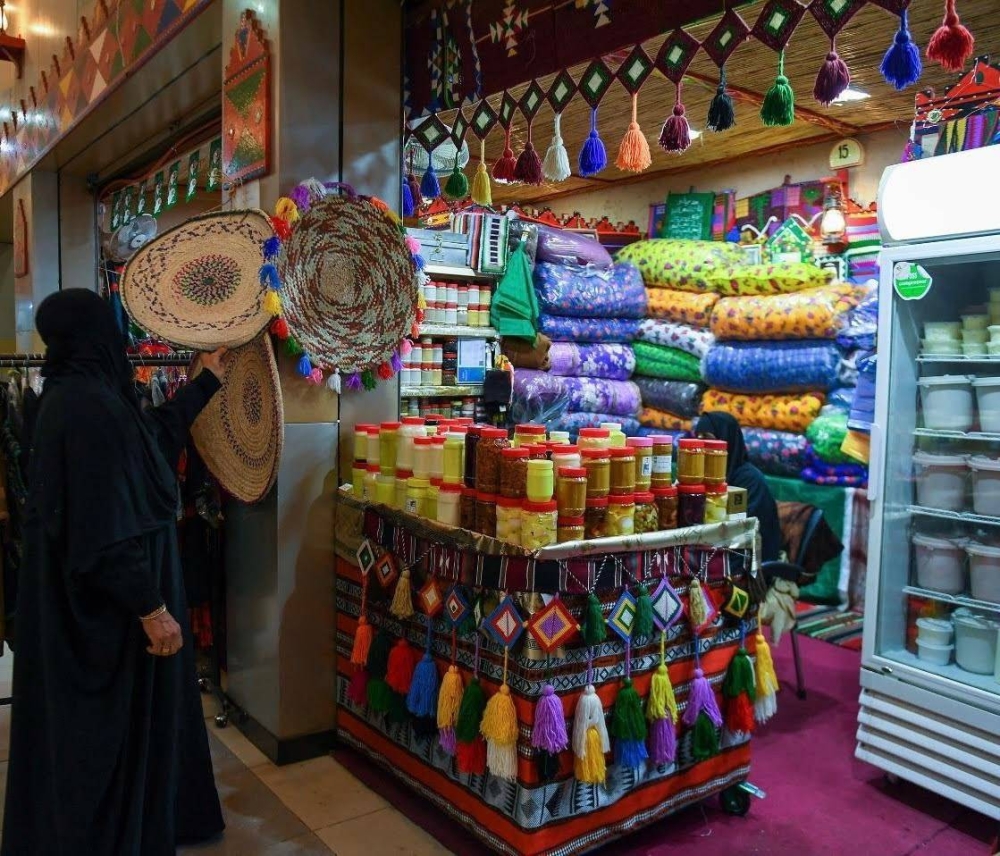
وبالعودة إلى السياق التاريخي، اكتسبت أسواق مكة أهميتها منذ عصور ما قبل الإسلام، حيث كانت محطة رئيسية في رحلتي الشتاء والصيف، وازدهرت بشكل أكبر مع بزوغ فجر الإسلام وتوافد الحجاج. لم تكن هذه الأسواق معزولة عن محيطها، بل نشأت وتطورت حول المسجد الحرام، لتلبي احتياجات القوافل والزوار. ومن أبرز هذه المعالم “سوق الليل” الذي يعد من أقدم الأسواق وما زال يحافظ على رونقه، و”سوق سويقة” الذي اشتهر بطابعه الشعبي ومنتجاته التقليدية، بالإضافة إلى أسواق “المسفلة” و”أجياد” التي ارتبطت بخدمة الحجاج القادمين من الجهات الجنوبية والغربية.
أبعاد اقتصادية واجتماعية
تتجاوز أهمية هذه الأسواق البعد التجاري البحت لتشمل أبعاداً اجتماعية وثقافية عميقة؛ فقد كانت ولا تزال منصات للتواصل الحضاري، حيث يتم تبادل المعارف والعادات جنباً إلى جنب مع السلع. وتشير الإحصاءات الحديثة إلى أن ما بين 30% إلى 35% من زوار مكة يحرصون على زيارة هذه الأسواق التراثية، بمتوسط إنفاق يتراوح بين 250 و400 ريال للزيارة الواحدة. هذا النشاط يساهم بشكل مباشر في دعم الاقتصاد المحلي، وتوفير فرص عمل، وتمكين الحرفيين والأسر المنتجة، خاصة في قطاعات الهدايا التذكارية، والمسابح، والسجاد، والمنتجات الغذائية المكية.
التطوير في ضوء رؤية المملكة 2030
في الوقت الراهن، تشهد هذه الأسواق مرحلة انتقالية هامة تتناغم مع مستهدفات رؤية المملكة 2030، وتحديداً ضمن برنامج “خدمة ضيوف الرحمن” وبرامج “جودة الحياة”. حيث تخضع الأسواق التاريخية، مثل المعلاة والحجون والزاهر، لمشاريع تطوير حضري تهدف إلى تحسين المشهد البصري ورفع كفاءة البنية التحتية، مع الحرص الشديد على الحفاظ على الهوية المعمارية والتراثية الأصيلة. وتهدف هذه الجهود إلى تحويل الأسواق إلى وجهات سياحية وثقافية متكاملة، تقدم تجربة ثرية للزائر تجمع بين روحانية المكان وعبق التاريخ، مما يعزز من جاذبية مكة المكرمة كوجهة عالمية تجمع بين الأصالة والمعاصرة.