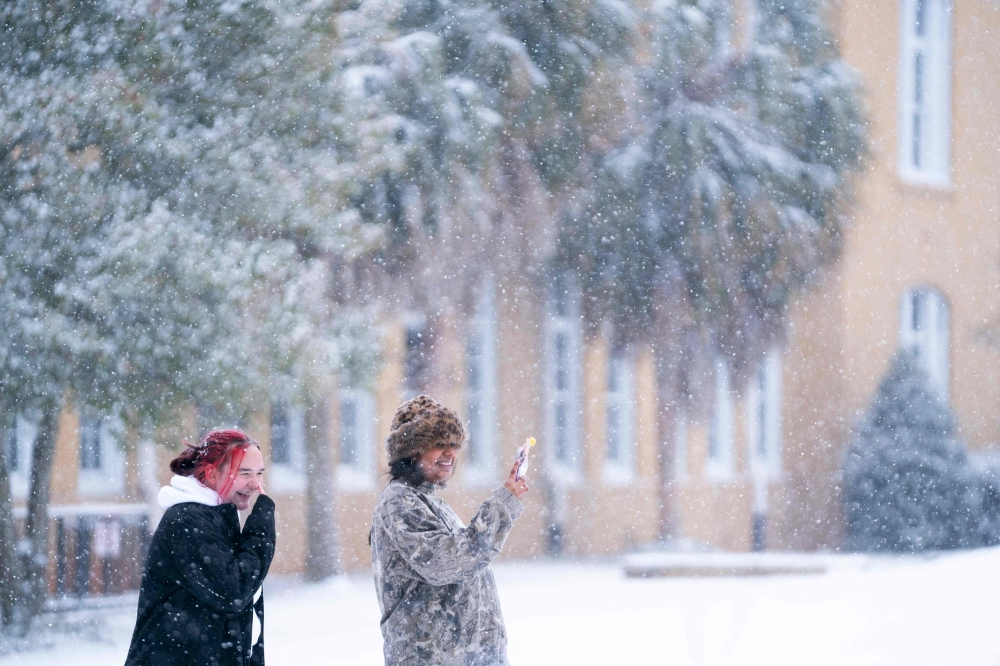
ضربت عاصفة ثلجية شديدة القوة جنوب الولايات المتحدة الأمريكية، مصحوبة بكتلة هوائية قطبية أدت إلى انخفاض درجات الحرارة إلى مستويات قياسية لم تشهدها المنطقة منذ عام 1989. وأسفرت الظروف الجوية القاسية عن مأساة إنسانية، حيث أودت بحياة أكثر من 100 شخص في عدة ولايات، خاصة في المناطق التي تفتقر إلى البنية التحتية اللازمة للتعامل مع مثل هذا الصقيع القارس.
تحذيرات من الأرصاد الجوية وتوقعات بتفاقم الوضع
أصدرت هيئة الأرصاد الجوية الوطنية تحذيرات عاجلة من أن إعصارًا ساحليًا يزداد قوة وعمقًا سيجلب معه ثلوجًا تتراوح بين المتوسطة والغزيرة، بالإضافة إلى رياح عاتية قد تصل إلى حد العواصف الثلجية الكاملة في ولايتي كارولاينا الشمالية والجنوبية. وأشارت الهيئة إلى أن الموجة القطبية المصاحبة للعاصفة ستدفع درجات الحرارة إلى ما دون الصفر، لتصل إلى مناطق بعيدة في الجنوب مثل فلوريدا بحلول صباح الأحد، مما يضع المنطقة في مواجهة أبرد طقس لها منذ أكثر من ثلاثة عقود.
السياق التاريخي وأسباب التأثير الكبير
تكمن خطورة هذه العاصفة في أنها تضرب مناطق غير مهيأة لمثل هذه الظروف. فالبنية التحتية في جنوب الولايات المتحدة، من شبكات الكهرباء إلى أنظمة النقل والمباني، ليست مصممة لتحمل التجمد لفترات طويلة. ويعيد هذا الحدث إلى الأذهان موجة البرد القاسية التي ضربت البلاد في ديسمبر 1989، والتي سجلت أرقامًا قياسية في انخفاض درجات الحرارة وتسببت في شلل واسع النطاق. إن ضعف استعداد هذه المناطق يجعلها أكثر عرضة للمخاطر، حيث يؤدي تراكم الجليد إلى انهيار خطوط الكهرباء، وتتحول الطرق إلى مسارات جليدية خطيرة، وتتجمد أنابيب المياه في المنازل.
التأثيرات المتوقعة على المستوى المحلي والإقليمي
تمتد تداعيات العاصفة لتشمل كافة جوانب الحياة. على المستوى المحلي، تواجه السلطات ضغطًا هائلاً على خدمات الطوارئ، بينما يعاني ملايين السكان من انقطاع التيار الكهربائي في ظل درجات حرارة مميتة. كما توقفت حركة النقل بشكل شبه كامل، مع إلغاء آلاف الرحلات الجوية وإغلاق الطرق السريعة الرئيسية، مما يعطل سلاسل الإمداد ويؤثر على الاقتصاد. أما على المستوى الإقليمي، فإن التأثير يمتد إلى شبكة الطاقة الأوسع، حيث يؤدي الطلب المتزايد على التدفئة إلى إجهاد الشبكات الكهربائية، مما يثير مخاوف من انقطاعات أوسع نطاقًا. وقد حذرت السلطات السكان من مخاطر التسمم بأول أكسيد الكربون نتيجة استخدام وسائل تدفئة غير آمنة في الأماكن المغلقة.