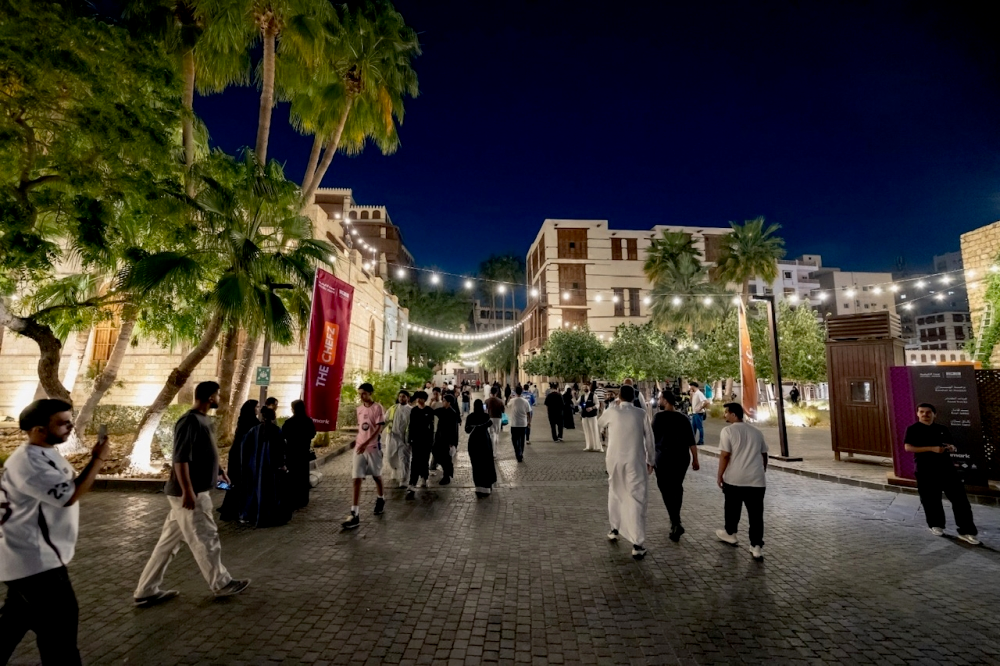
Jeddah's historic district, known as "Al-Balad," recorded an exceptional record during the first week of Ramadan, with visitors exceeding one million, including citizens, residents, and tourists. This overwhelming turnout reflects the area's growing prominence as a leading Ramadan destination in the Kingdom, combining historical charm, the spirituality of the holy month, and vibrant cultural events.
A rich historical background for the jewel of the Red Sea
Historic Jeddah stands as a living testament to centuries of history, its origins dating back to the 7th century AD as a major maritime gateway to Mecca, welcoming pilgrims and Umrah performers from around the world. In 2014, this historical significance was recognized with the inclusion of the area on the UNESCO World Heritage List, acknowledging its exceptional universal value. The historic district, known as "Al-Balad," is distinguished by its unique architectural style, with its towering buildings constructed from quarried stone from the Red Sea, their facades adorned with ornate wooden latticework windows that continue to tell stories of a rich past and provide shade and coolness in its narrow alleyways.
A complete Ramadan experience in the heart of "the country"
During Ramadan, the squares and alleyways of historic Jeddah transformed into a vibrant open-air theater. A diverse calendar of events successfully revived authentic Hijazi heritage. Programs included revitalizing traditional markets such as Souq Al-Alawi and Souq Bab Makkah, and reactivating Ramadan stalls offering delicious local cuisine and traditional drinks, alongside interactive shows and performances depicting aspects of traditional social life. Historical houses and museums, such as Beit Nassif and Beit Zainal, also opened their doors to visitors, presenting informative exhibitions that chronicle Jeddah's development as a vital trading port and gateway to the Two Holy Mosques.
Significance and impact: Beyond mere numbers
The success of the Ramadan season in Historic Jeddah extends far beyond the millions of visitors it attracts; its impact is multifaceted. Locally, this vibrant activity stimulates the economy by supporting entrepreneurs, small business owners, and artisans, while also rekindling a sense of pride in the city's cultural identity among its residents. Nationally, this success aligns directly with the goals of Saudi Vision 2030, which aims to develop the tourism and culture sectors, preserve national heritage, and establish the Kingdom as a leading global tourist destination. Internationally, the successful management of this World Heritage site and its ability to draw such massive crowds enhance the Kingdom's image as a nation that cherishes its human heritage and presents it to the world in a contemporary and engaging manner.
Professional organization ensures a smooth experience
Meticulous organization and crowd management were crucial in accommodating this large influx of visitors. Clear entry and exit routes through the main entrances, organized parking, and a comprehensive digital guide all contributed to ensuring a safe and comfortable experience for all age groups. This organizational success underscores the ability to host major events while maintaining visitor safety and preserving the site's heritage character.