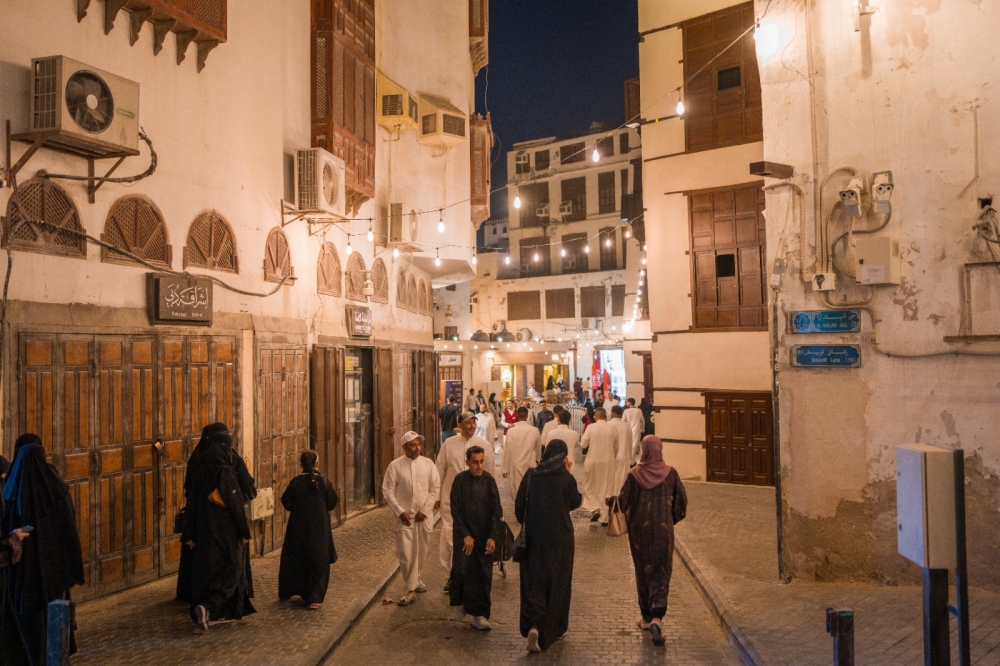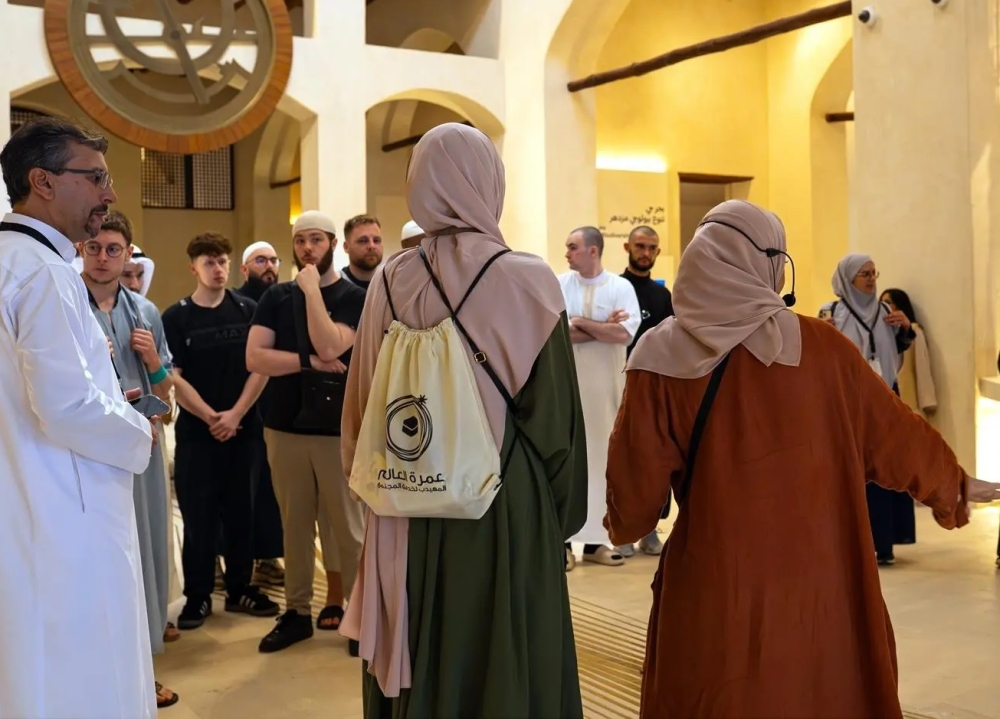
In a significant step aimed at connecting the present with the rich past, and coinciding with the Kingdom's efforts to enrich the experience of pilgrims, the Ministry of Culture announced the activation of the first phase of the "Historical Hajj Trail" in the historic district of Jeddah (Al-Balad). The area has already welcomed groups of pilgrims and visitors to embark on this unique cultural experience, which recreates the ancient journey pilgrims undertook upon their arrival in the Kingdom.
Jeddah: The Gateway to the Two Holy Mosques Through the Ages
This initiative gains its importance from the strategic and historical status of Jeddah, which has remained for centuries the main maritime gateway to Mecca. Since the time of the Rightly Guided Caliph Uthman ibn Affan (may God be pleased with him), who designated it as the port for Mecca, Jeddah has received caravans of pilgrims arriving by sea. The "Al-Balad" area, currently registered on the UNESCO World Heritage List, was the first stop where pilgrims would catch their breath and exchange cultures and goods before heading to the holy sites.
Details of the historical route trip
The "Historical Hajj Trail" offers a live, interactive experience that begins at the ancient arrival point and ends at the departure gate towards Mecca. The journey includes the following stops:
- Starting from Bab al-Bunt: It is one of the most important gates of the old Jeddah wall, and it represented the sea pier where pilgrims would step when they disembarked from ships.
- The Red Sea Museum, which was recently opened, offers a visual and historical narrative of Jeddah’s relationship with the sea and pilgrimage journeys, enhanced with interactive exhibits that tell stories of navigation and trade.
- Historical Mosques: The route passes by mosques with great historical depth, such as the Uthman Ibn Affan Mosque, the Al-Maamar Mosque, the Al-Maghribi Mosque, and the Al-Shafi’i Mosque, which represent a unique Islamic architectural style.
- Heritage houses and markets: The trip includes visits to prominent landmarks such as “Nassif House,” where King Abdulaziz - may God have mercy on him - stayed when he entered Jeddah, and “Noor Wali House,” passing through “Al-Alawi Market,” which was bustling with trade between pilgrims and the city’s residents.
- The tour concludes at Bab Makkah: The tour ends at Bab Makkah, the eastern gate through which caravans used to depart overland towards the holy capital.
Cultural dimensions and vision objectives
This project is not merely a tourist route; it is an integral part of the goals of Saudi Vision 2030, specifically the Guests of God Service Program, which seeks to enrich the religious and cultural experience of pilgrims. The route aims to strengthen national identity and highlight the cultural diversity of Historic Jeddah, in addition to transforming its architectural heritage into a sustainable economic and tourism resource, thus giving visitors a deeper understanding of the human and civilizational values that this region has embraced throughout history.